
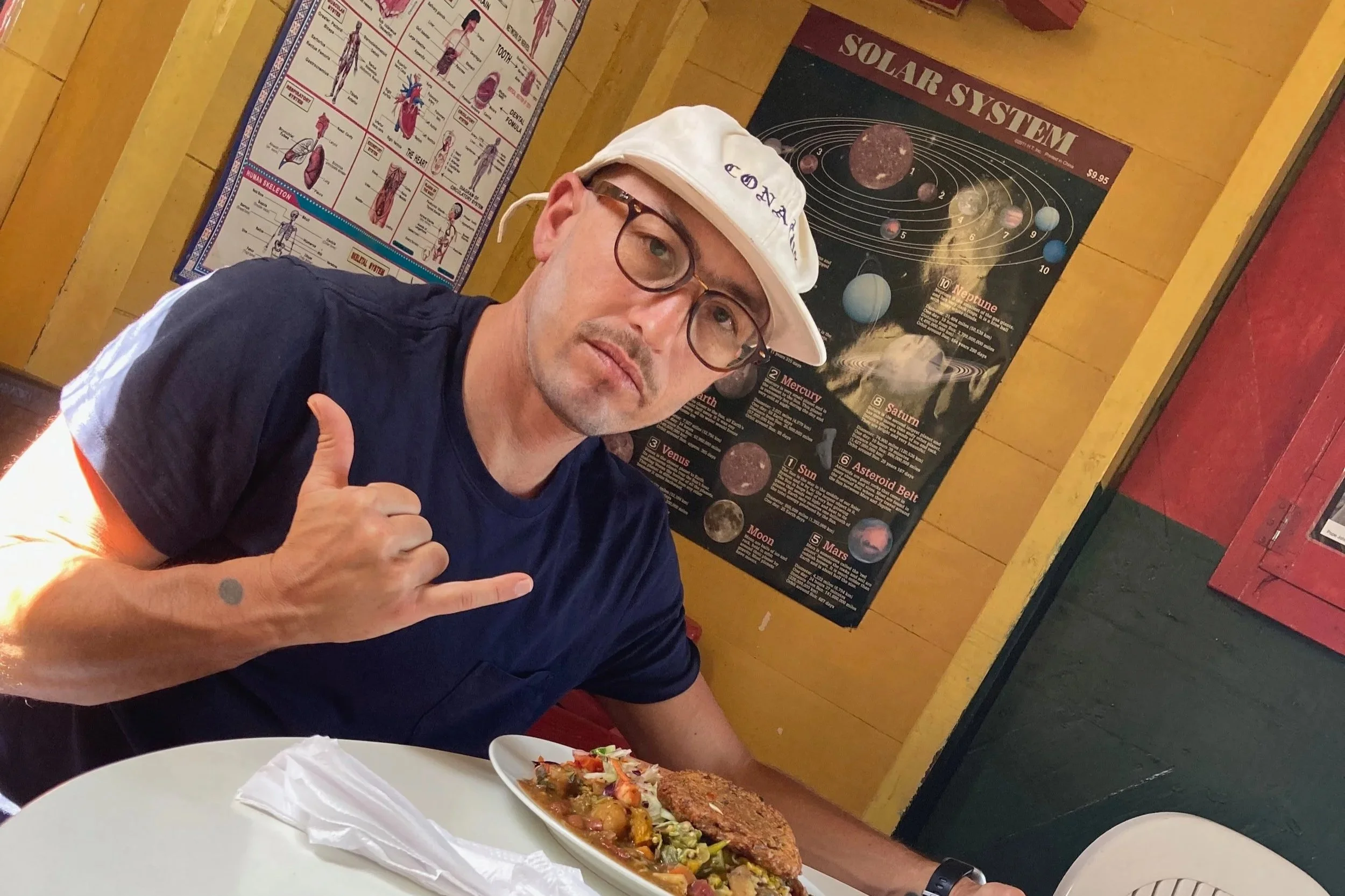
As a plant based surfer with a PhD in philosophy and a certification in whole foods nutrition, I care deeply about what I eat in a day. At 45 years old (born August 23, 1980) and not getting any younger, I am in the absolute best shape of my entire life. I follow a well balanced whole foods plant based diet in order to fuel my surfing, training, and concentration for sustained philosophical reflection. This diet can also be categorized as vegan or strict vegetarian. I do not consume animals or their byproducts (no flesh, no milk, no eggs, no honey, and I try not to buy leather or wool new if I can help it).
I am going to be straight with you: I believe that I have found the miracle diet, and if I had a magic wand I'd make everyone on earth follow it. I do not have said magic wand, so all I can do is show you how I achieve these insane results day after day. Either you're curious or convinced or not. I know it's hard out there with misinformation and carbohydrate hatred being spread by top health "officials" like RFK Jr.. Even surf god Kelly Slater is RFK pilled these days (le sigh). And yet there are countless elite athletes in other sports — 7x F1 champion Lewis Hamilton, ultra marathon champ Scott Jurek, gold medalist soccer star Alex Morgan to name a few — opting for plant based diets, citing superior results in recovery, performance, gut, brain, muscular and skeletal health. Keep reading to find out how I do it.
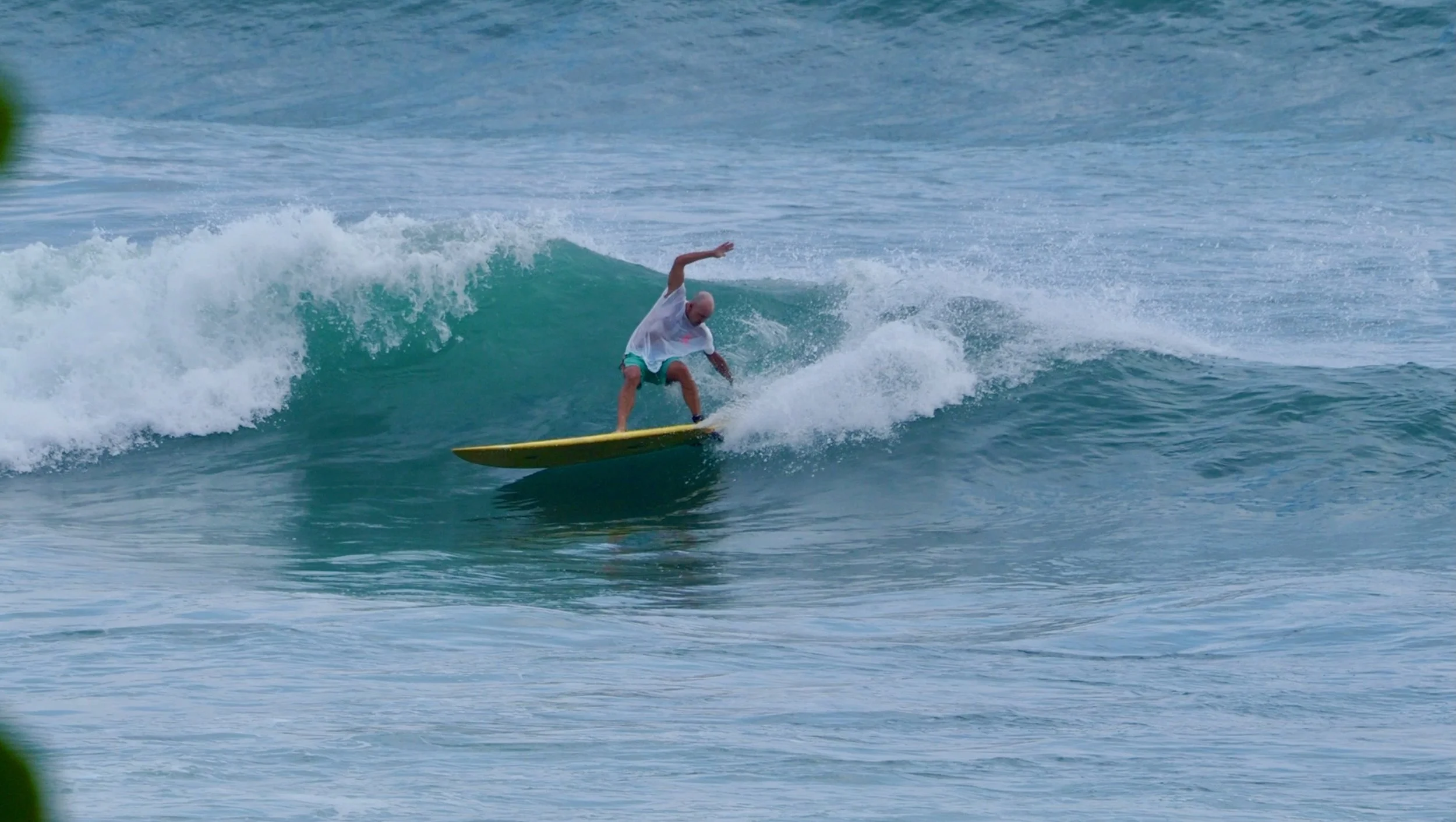
Eating right and having the energy to surf all day are correlated.
The Nutrition Rules I Live By
Abs are made in the kitchen. An old, true gym bro adage. This is the truth most people never want to face. They take any workout program or pill, but never face the fact that if you really want to look and feel the best you've ever felt, you must get your diet under control.
What you eat matters, but at the end of the day nothing truly trumps CICO (calories in/calories out). What this means in action: there is no such thing as "cheating." You either eat less than you burn, the same as you burn, or more than you burn on any given day. If you want to learn how to regulate your metabolism you need to do the work and learn your cutting, maintenance, and gaining caloric thresholds. See my article How Many Calories Does Surfing Burn to calculate yours.
Highly active people and people who are more advanced in age need to account for adequate protein intake. While there are zillions of ways to get in adequate (and yes complete) protein on a plant based diet, many ethical and athletic vegans make the mistake of not accounting for their protein. This leaves them with that old, "I don't have enough energy" complaint. Aim for 20-50g of protein per larger meal depending on your caloric needs. Please note that you will not gain muscle by increasing your protein intake and just sitting on the couch.
Eat the rainbow. If I am hungry the first question I ask myself is, "Have I had enough water or vegetables today?" If the answer is no then I prioritize both. If the answer is yes, then I add more vegetables just because who wants to eat a multivitamin when chewing veggies is more fun? Daily intake should be multicolored.
Measuring utensils like teaspoons, tablespoons, cups, and a food scale make for accurate and reliable intake. 1 oz of dry pasta is ~100 calories. 1 tbsp of olive oil is ~120 calories. If you're "eyeballing" it you could end up vastly over or under. I bring a food scale with me on all surf trips.
Alcohol is a diet destroyer. Yes, I drink alcohol. And no I don't drink it every day or even every week. It's a known carcinogen. It wrecks your body's ability to recover and increases any existing inflammation. Is 3 euro wine in France the best thing in the whole wide world? Yes, that's true too. Just gotta stay moderate. The difference between 2 and 14 glasses a week is about 1,560 calories. That's almost a full day of eating. If I want to shed any excess fat, alcohol is the first thing to go. I will go up to three months without a drop.
Carbs should be the majority of your diet. Humans have known this since we first found a grain that we could smash into a paste and turn it into a porridge or bread. Slow burning, fast burning, I don't really give a hoot. Our metabolisms are designed to run primarily on carbohydrates. If you're active, this means that 45-60% of your dietary intake should come from carbohydrates. White rice doesn't make you fat. Eating too much white rice with other shit on top of it when it exceeds your caloric threshold day after day makes you fat. One cup of white rice is 242 calories. If you ate 3 cups of plain white rice a day with tofu and veggies, you'd top off at about 1800 calories and probably be in amazing shape. Want to sub quinoa for white rice? Great. Whole grains are awesome. Just don't be hating on the cheapest forms of carbs that most of the world's poorest population has access to.
Sugar is only your enemy if you can't regulate its intake. A square of dark chocolate. The occasional vegan soft serve. A cake for your birthday. These will not wreck your diet. They will take up calories that could be better sourced from whole foods, but life is all about compromise formations. Eat mostly whole foods. Have cake on your birthday.
Dosage is everything. Some things, like veggies, you can have almost unlimited dosage. Other things, like oreos, there's a categorical difference between eating two and eating the whole box. That's the truth for all ultra processed foods. If you can stop at a little, then they're fine. If you can't, then they're not. They are not designed for you to desire to stop. Hence why they are insidious.
Restaurants and take out places will always use 3-10x more oil than you would do at home. Eat out sparingly and know full well that this is the case.
A sustainable eating pattern is the one you can follow the easiest. For me this is veganism because I get to eat everything I want and with the added benefit of not directly consuming animal suffering (this takes massive weight off of my consciousness).
My Specific Caloric Requirements — important considerations
First we need to get some basic stats out of the way. What I eat in a day changes depending on my training load, fitness goals, and how much I am or am not surfing. I am in a male/testosterone based body, standing at 5'6" tall and 143 lbs. The biggest distinction is whether or not I'm on a surf trip. When I'm on a trip my caloric requirements are higher, so that changes the numbers. My favorite weight range to live for athletic performance and aesthetic vanity reasons is between 137-145 lbs. That's a big range. If I'm being honest, I prefer to live at the lower end, but it's always harder to maintain, so I go through leaner and bulkier seasons. I do not bulk and cut like a body builder. I fuel more like an endurance athlete who enjoys the way it feels to be lean and strong.
All ranges reflect faster or slower speeds of loss and gain. Maintenance shifts for more and less active days. Note: these are my numbers for my body. To calculate yours, use my calorie burn calculator.
How I got these numbers: I track meticulously using my SurfReady365 Fitness App. I enjoy tracking my food and consider it a “fun” part of my day. It signals that I have time to rest and log. Tracking works, but it may not be the right choice for everyone. When I coach people for nutrition we figure out what method of accountability will work best for you.
What I Eat in a Day as a Plant-Based Surfer — The Full Picture
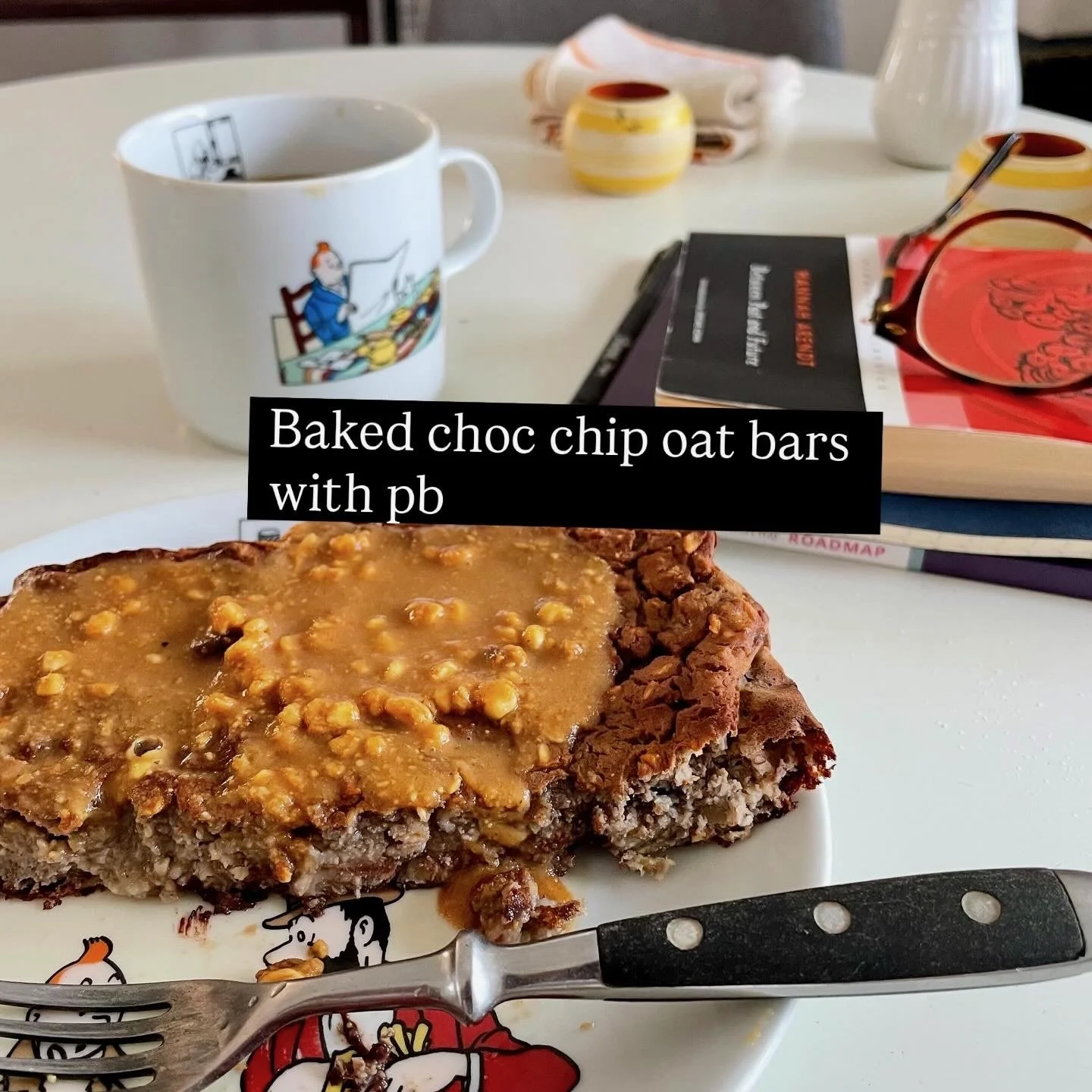
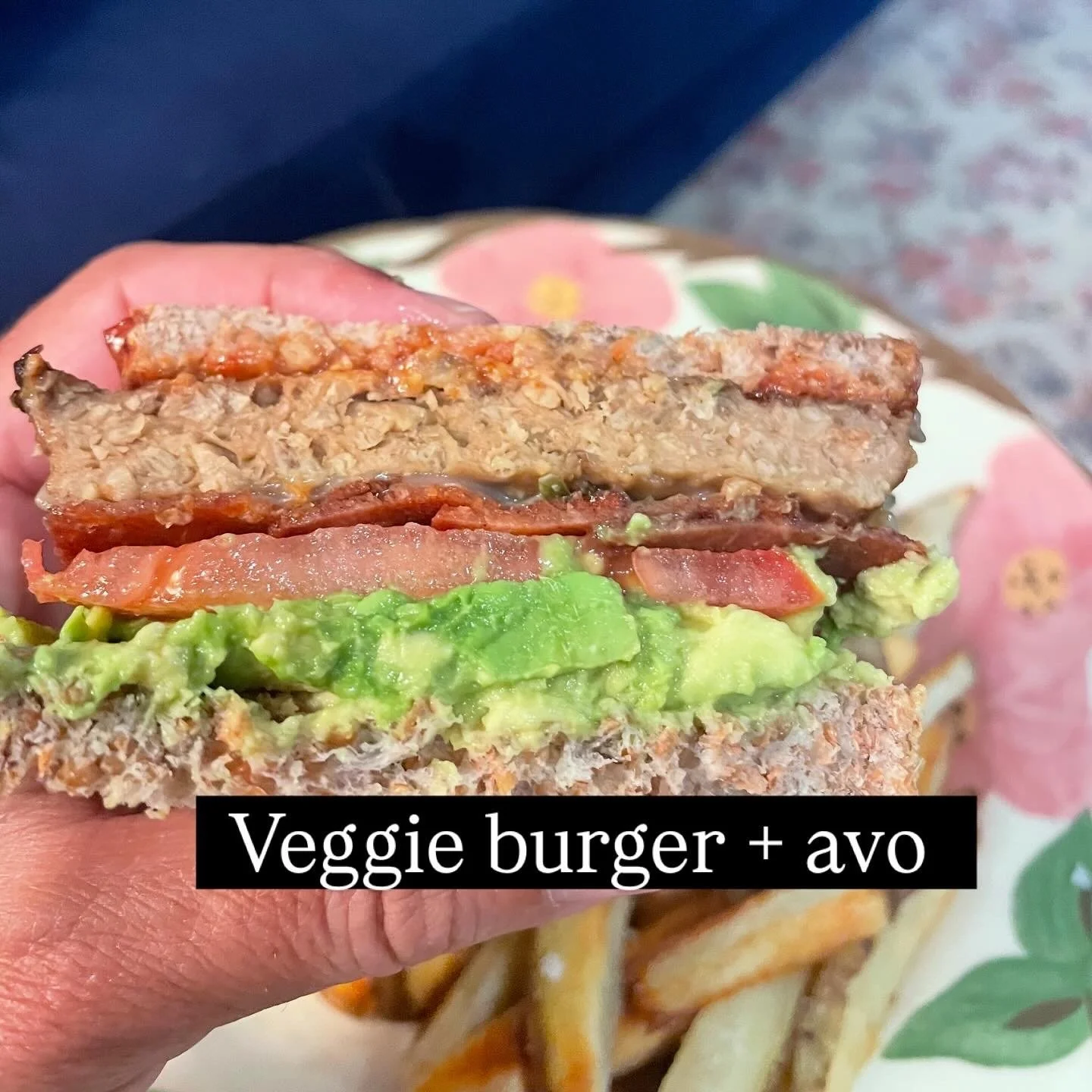
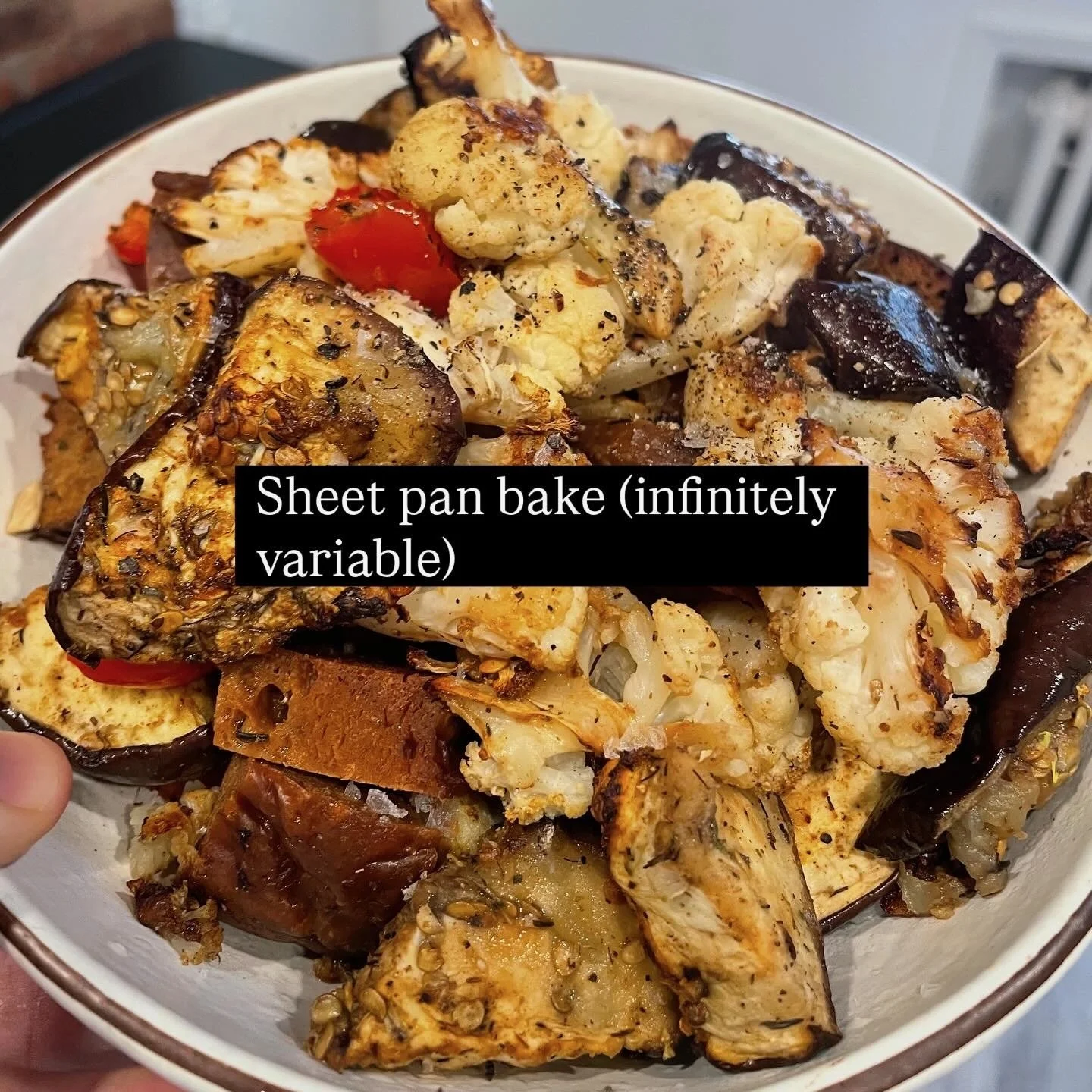
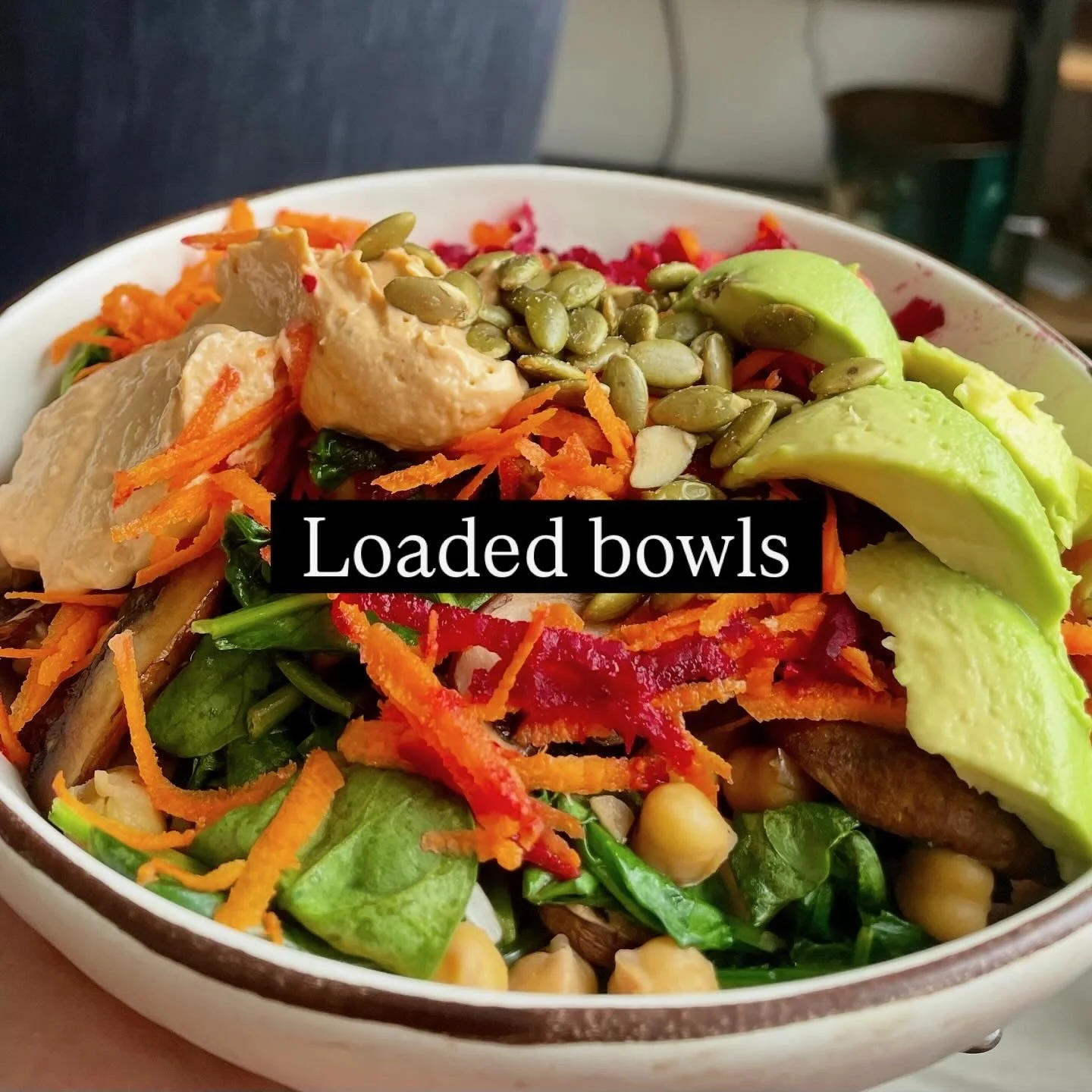
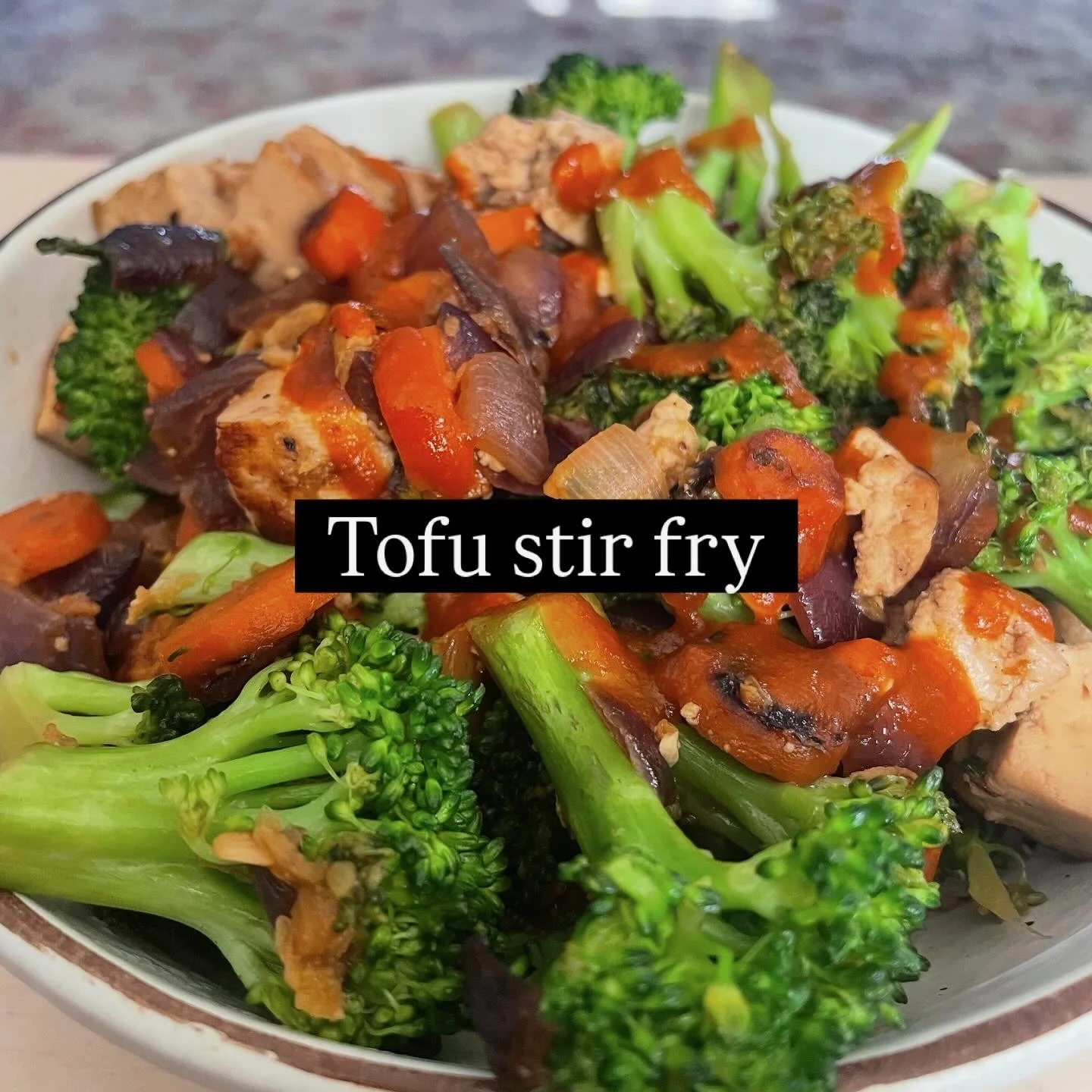
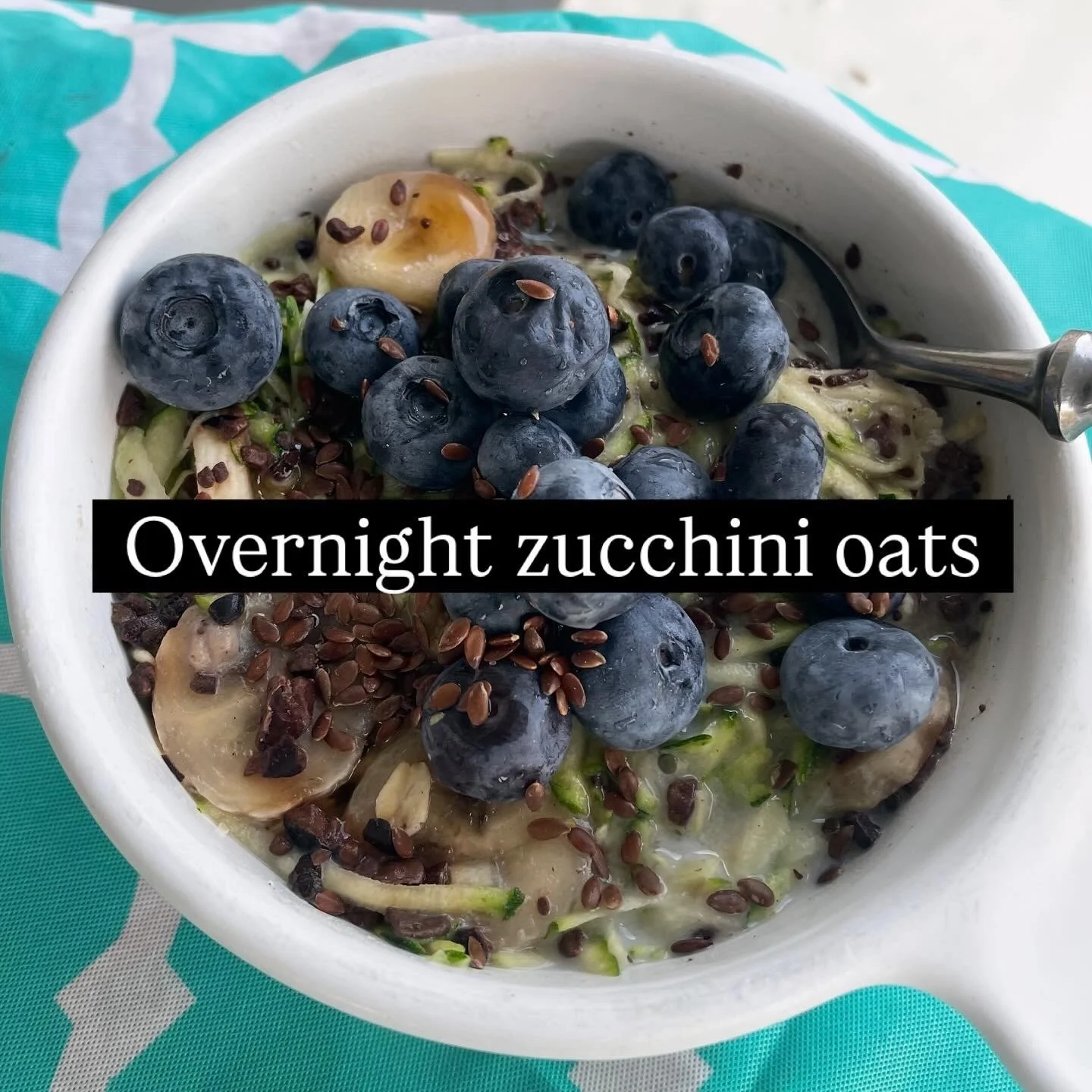
Regardless of whether I'm cutting, maintaining, or gaining weight, my diet features many of the same items, and none of them are bland and disgusting. I use spices and condiments. There is absolutely no reason for healthy food to taste gross. Meal ingredients and timing vary depending on the time zone I'm in. I travel a lot and the sun does different things in different parts of the world.
In NY I usually go to bed at 9p and wake up at 5a
In Costa Rica I go to bed at 8p and wake up at 4a
In France I go to bed at 10p and wake up at 6a
I sleep 7-8 hours a night quite regularly
The Morning Ritual

Wake up. Bathroom. Weigh myself (every day — I also bring a body weight scale when I travel). Water 1-3 glasses. Make baked oats or bake off some tofu for later. If I'm running a trip, I cut fruit, make sure we have beach snacks and breakfast ready to go. Make coffee and have a cup with soy milk (fortified, unsweetened if possible). Then I write and read while I enjoy my coffee. Taking Pita out if I'm in NY. It takes about an hour to get my brain "online."
Breakfast #1
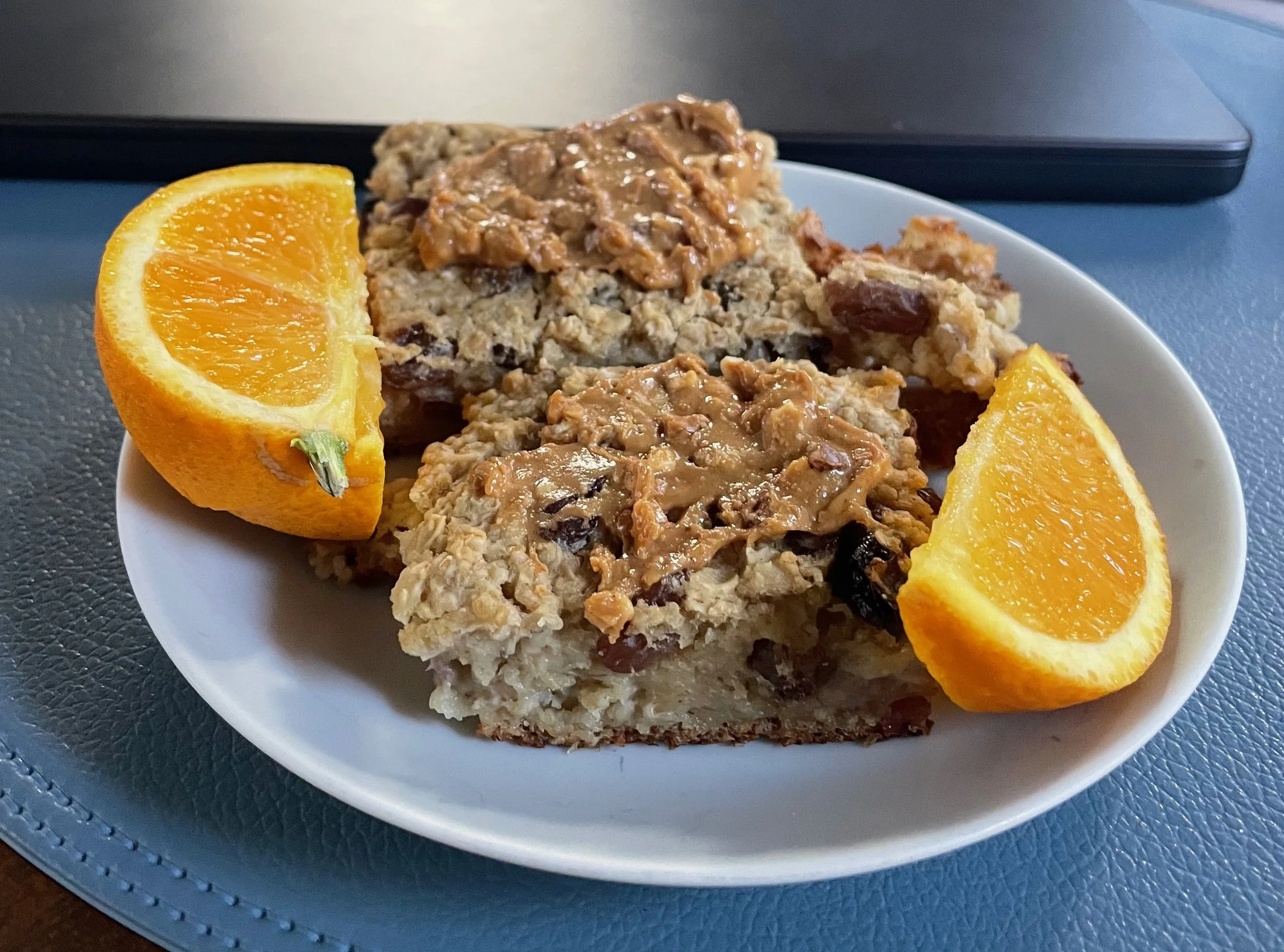
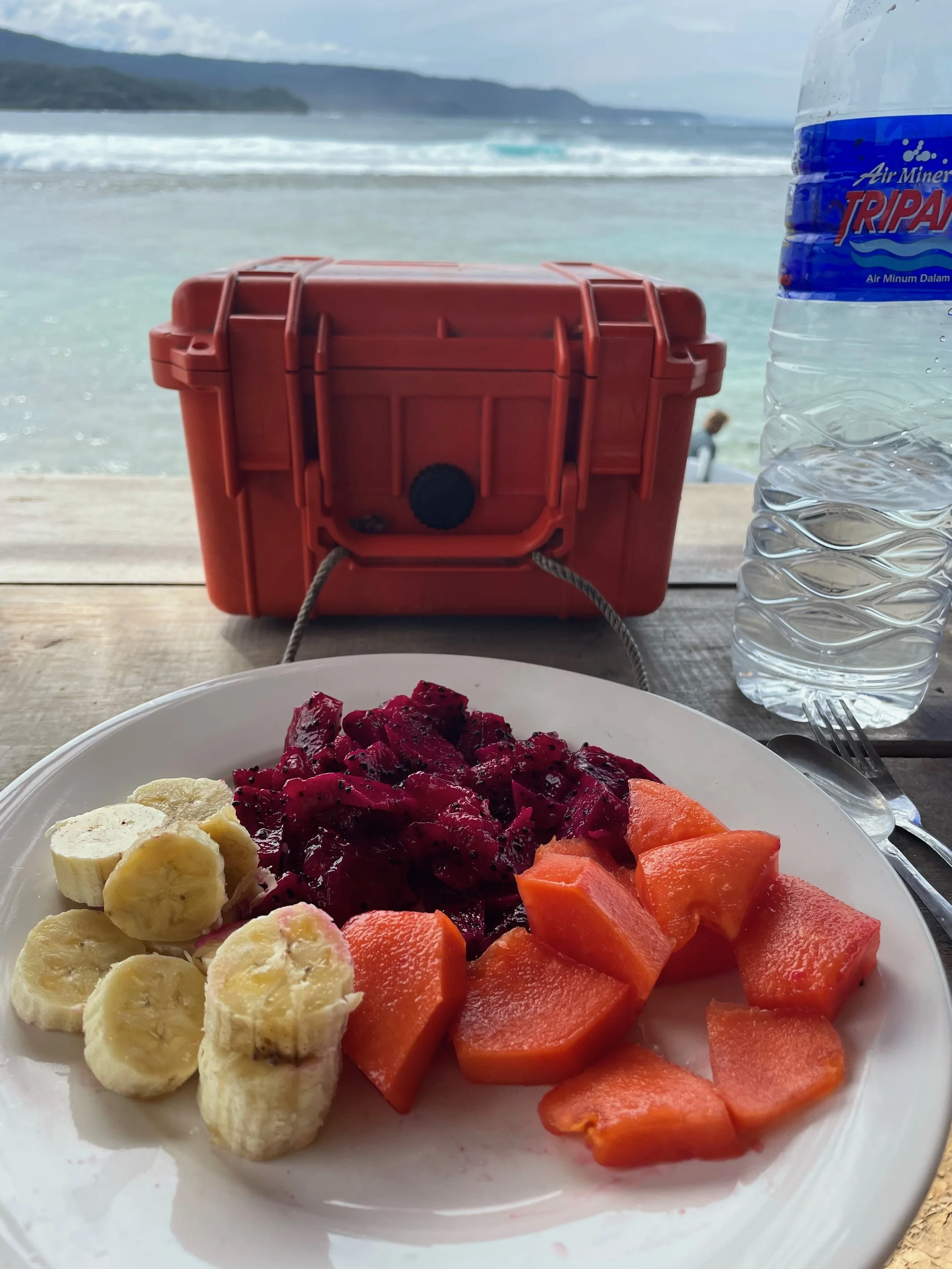
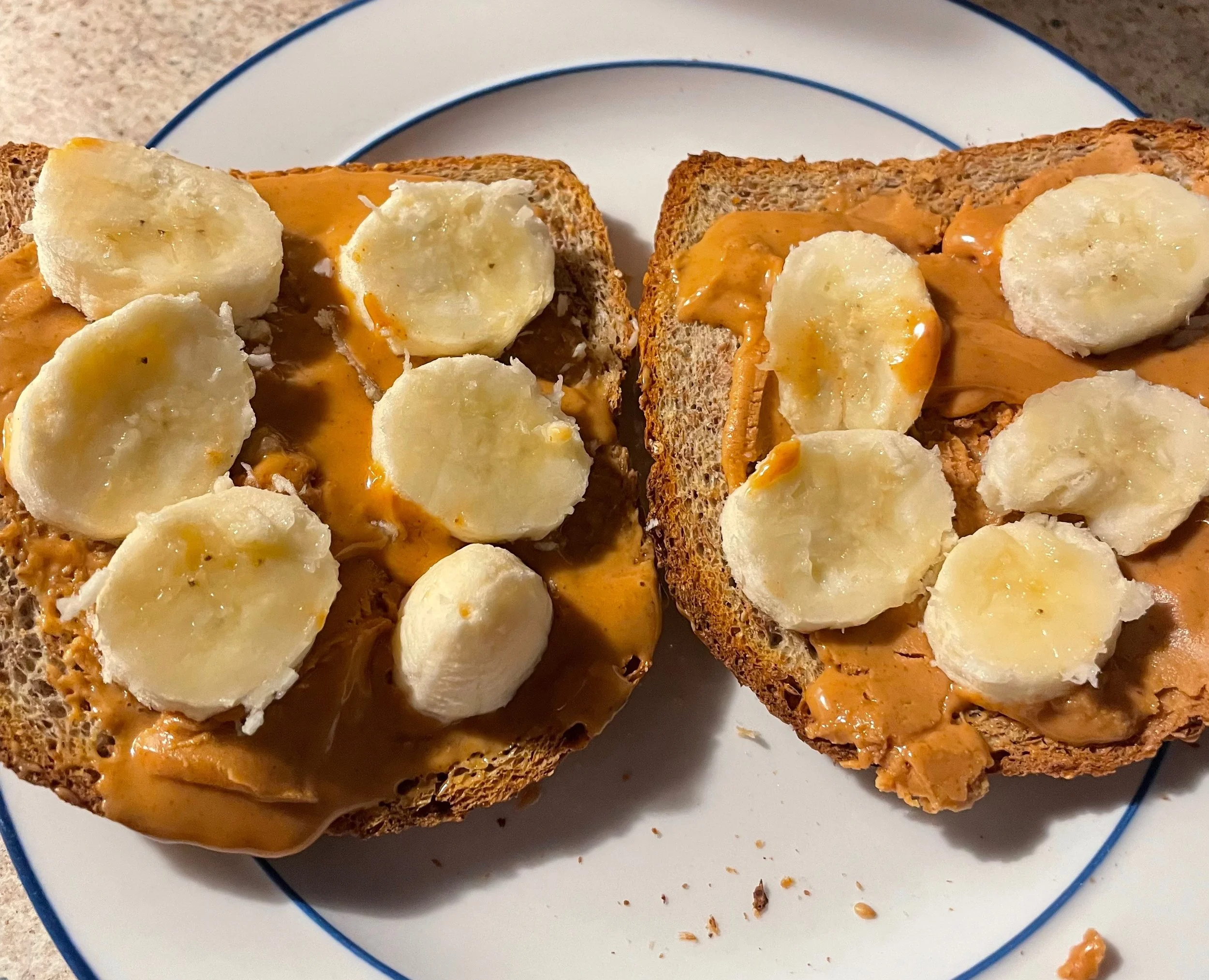
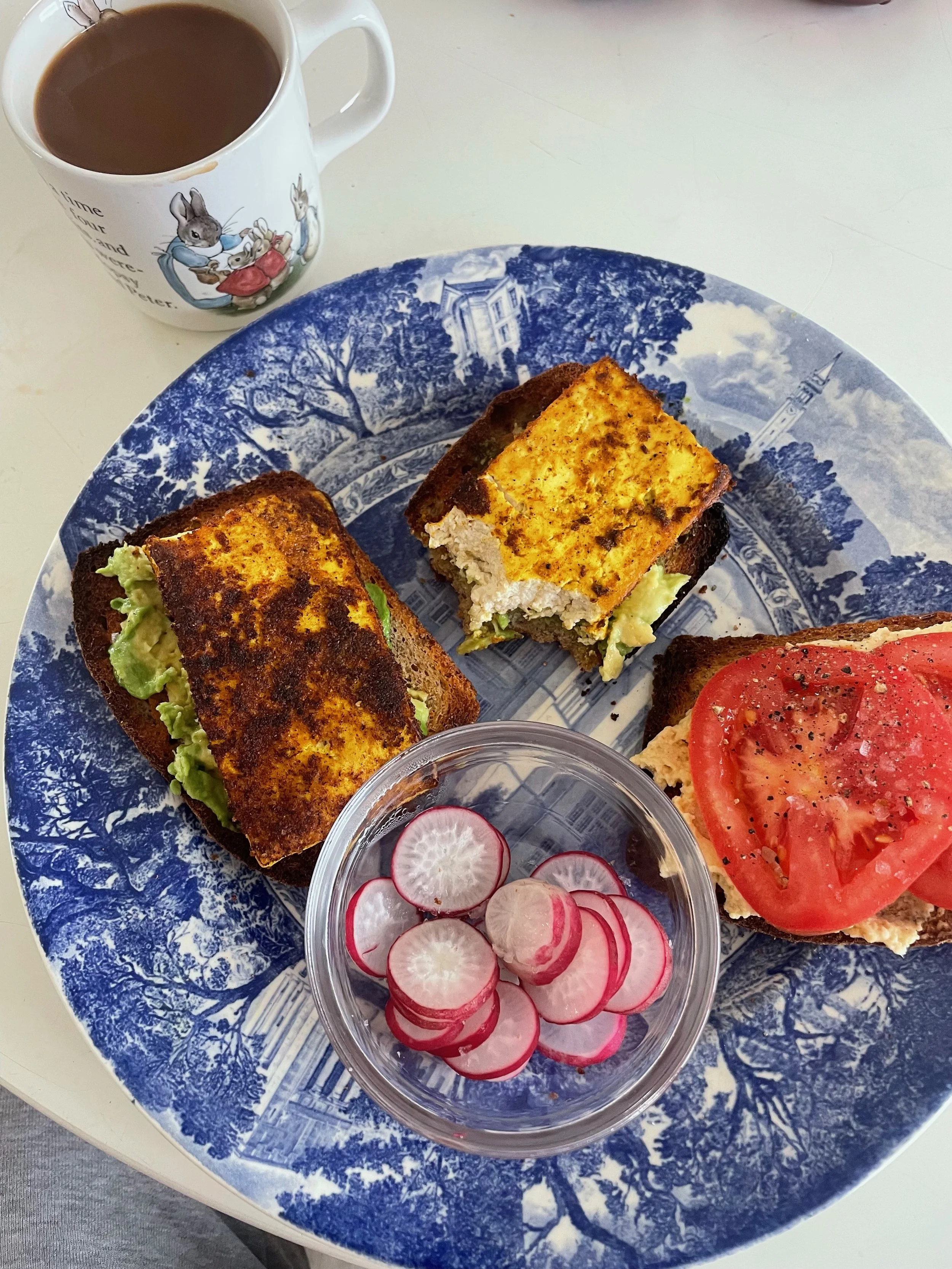
This is a “pre workout” meal if I’m having a big day. Nothing too big. Just some fruit or toast with banana and peanut butter or an oatmeal square or a slab of baked tofu on toast with avocado and a second cup of coffee. If I’m having a lighter day or trying to cut I skip this meal.
Breakfast #2 or proper breakfast
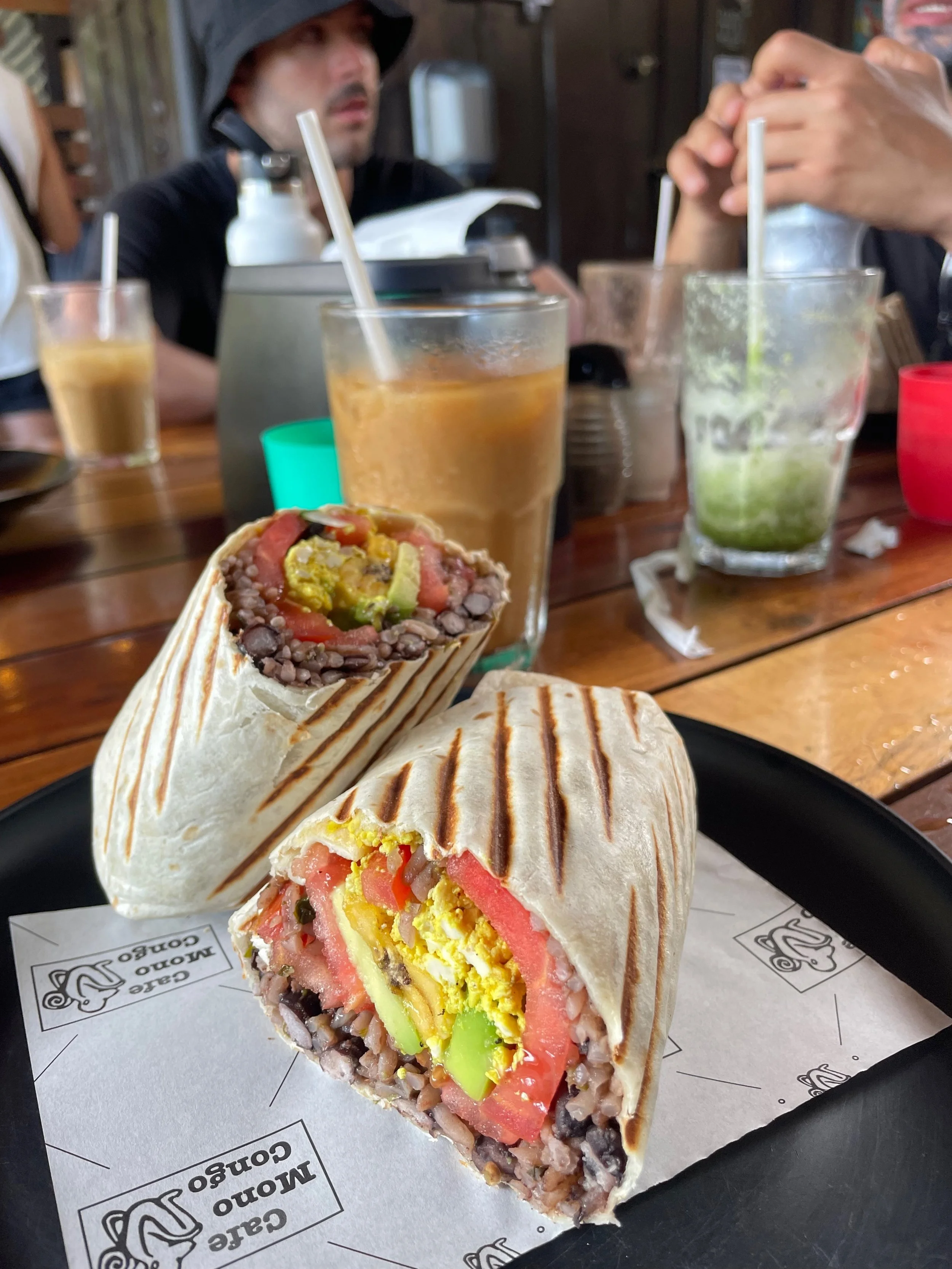
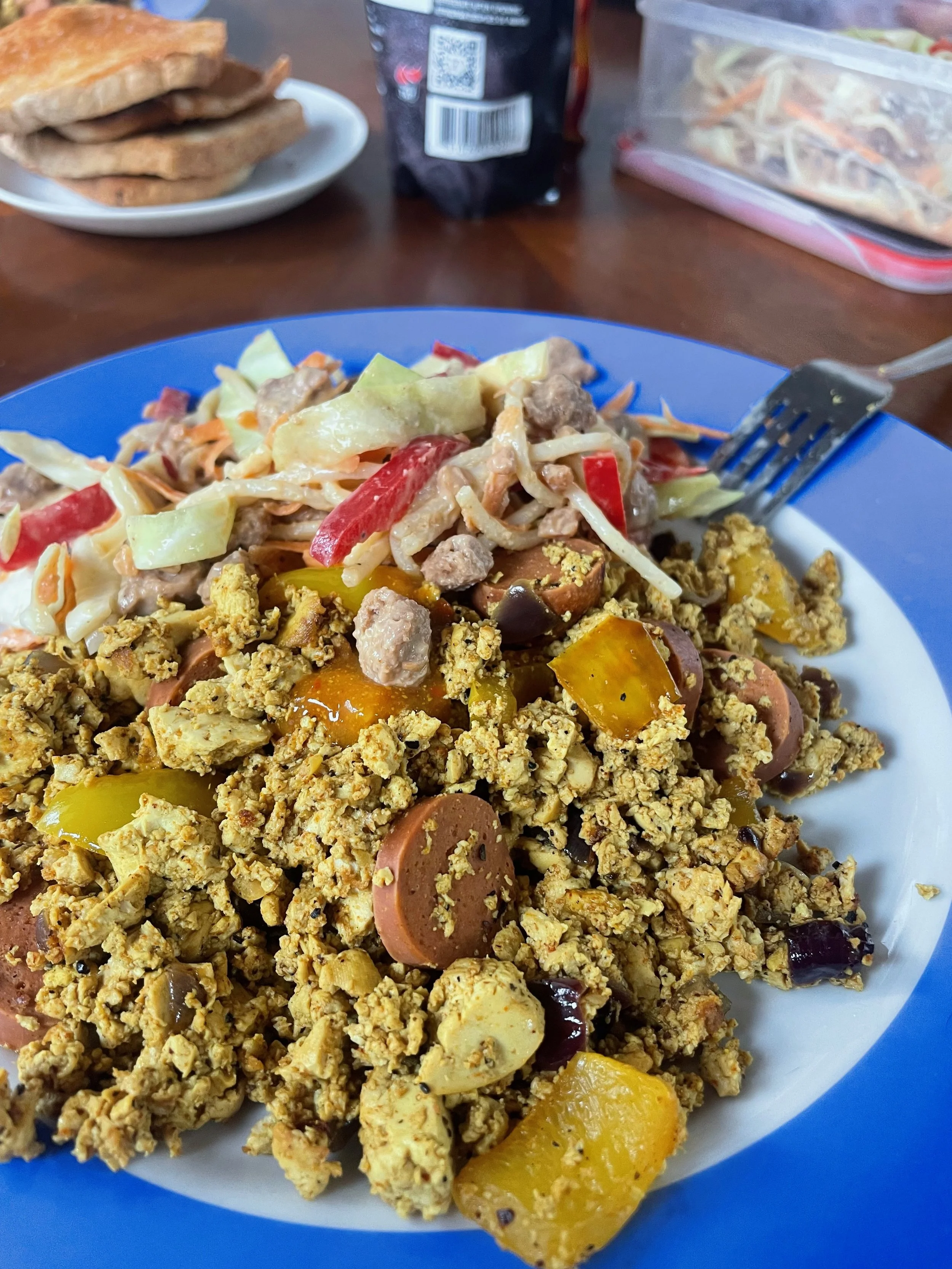
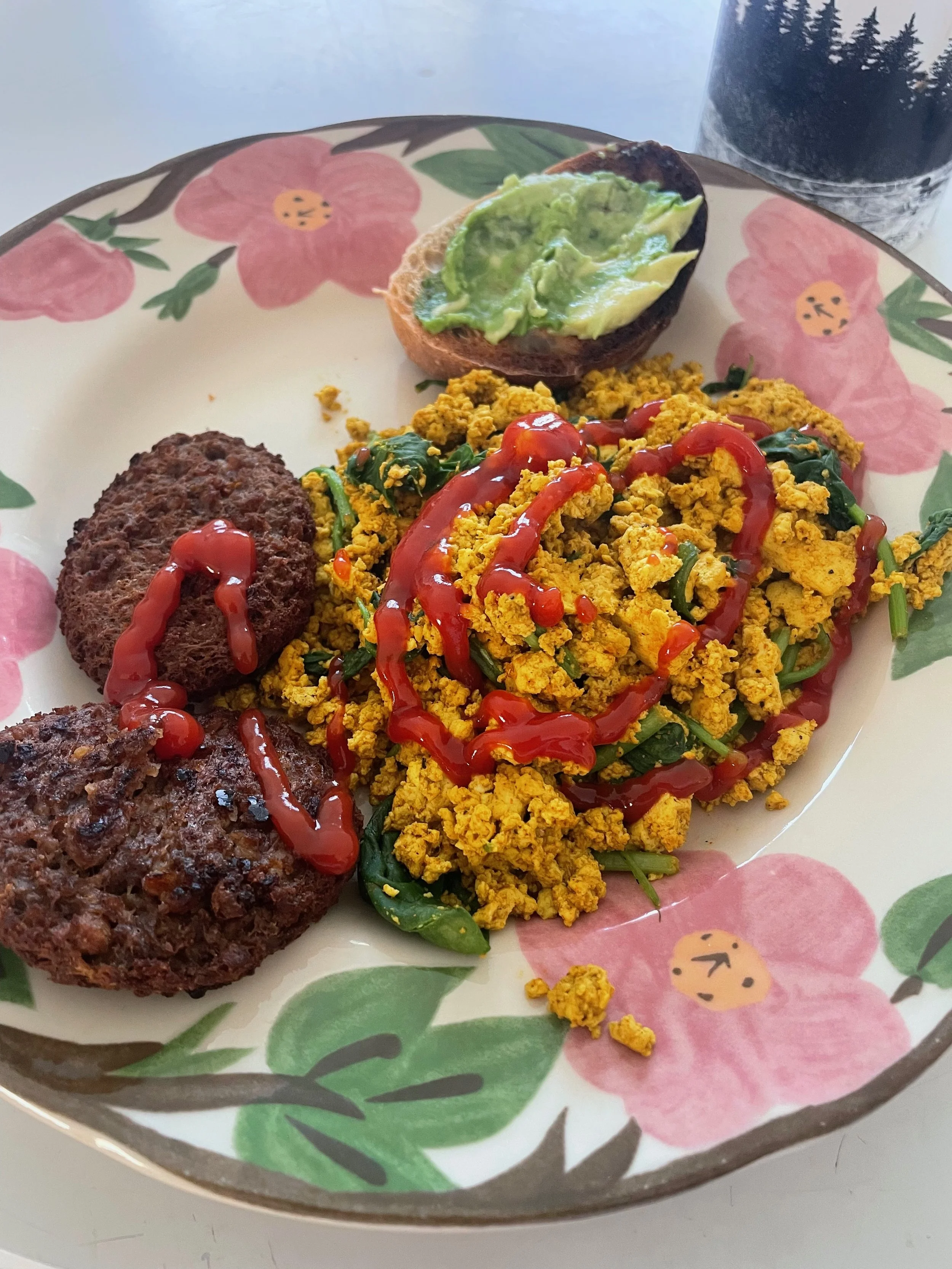

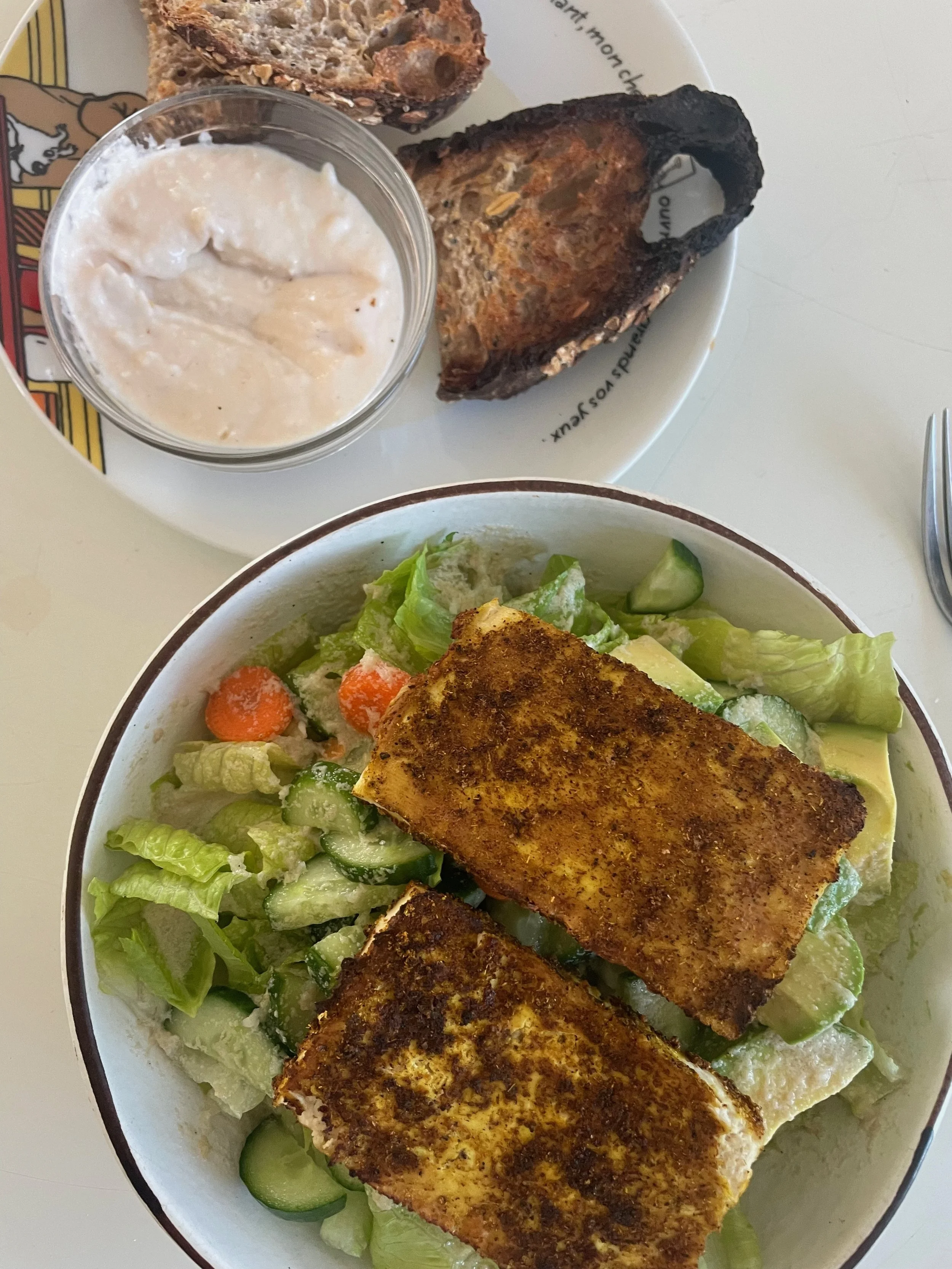
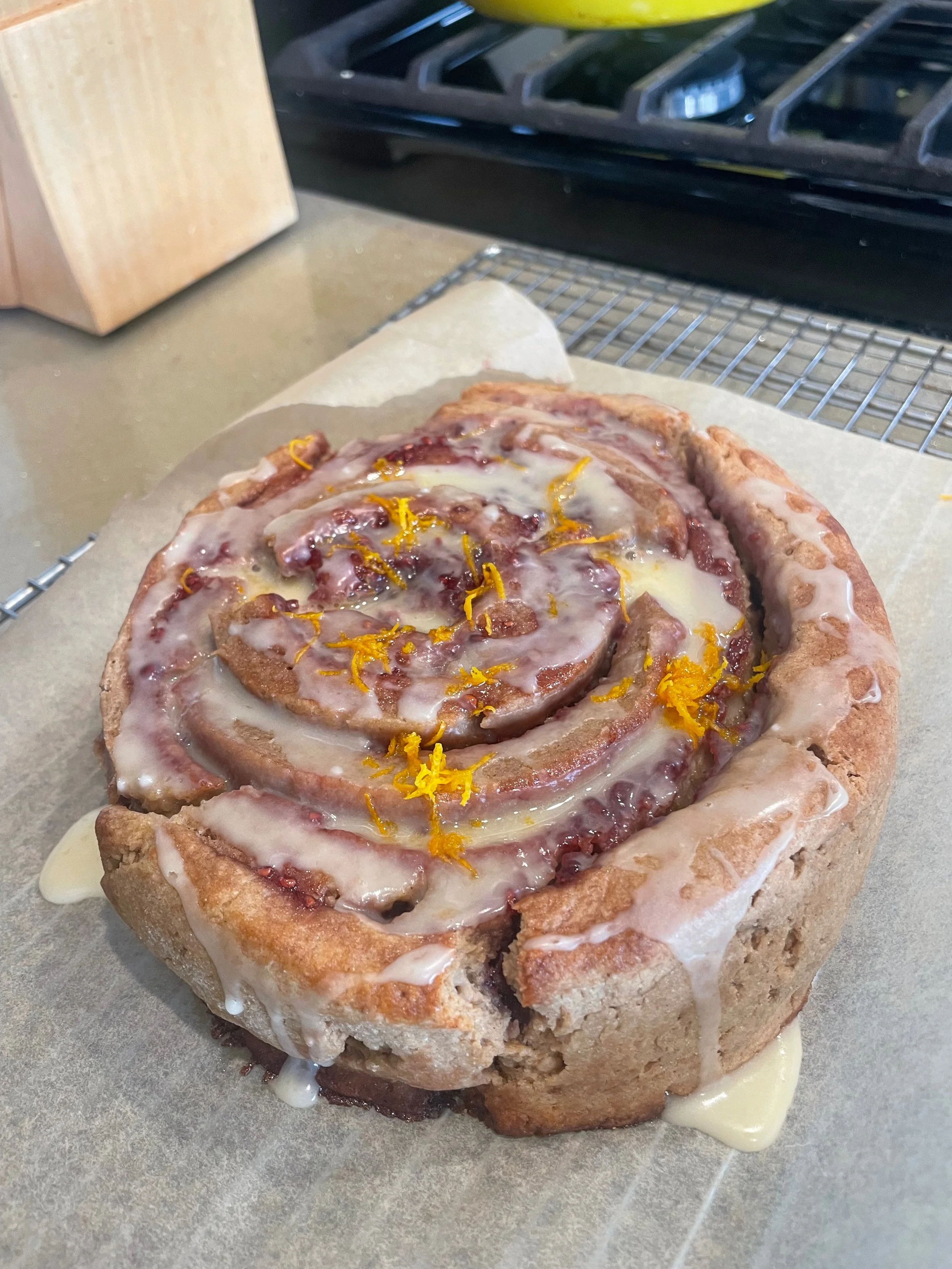
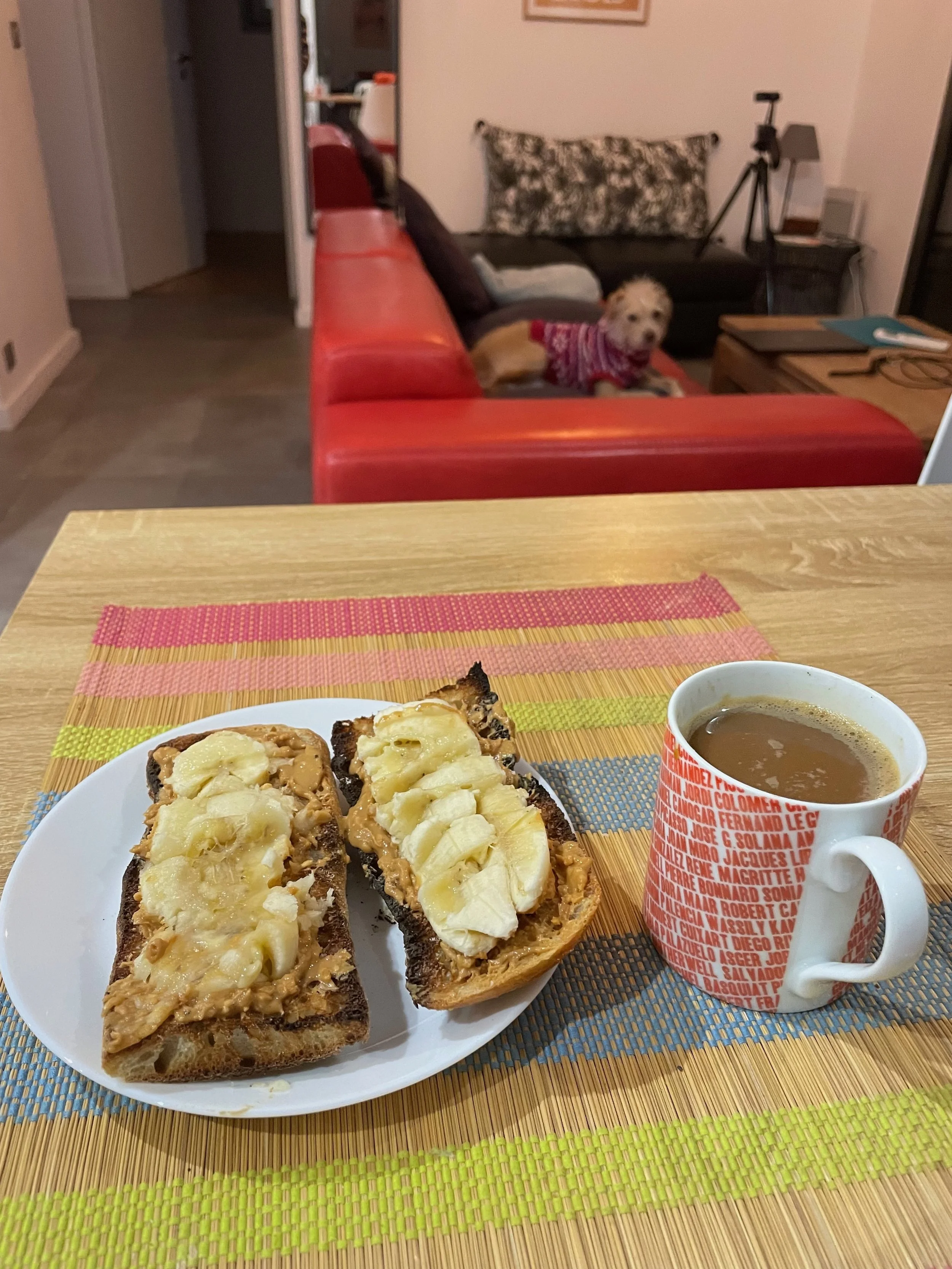
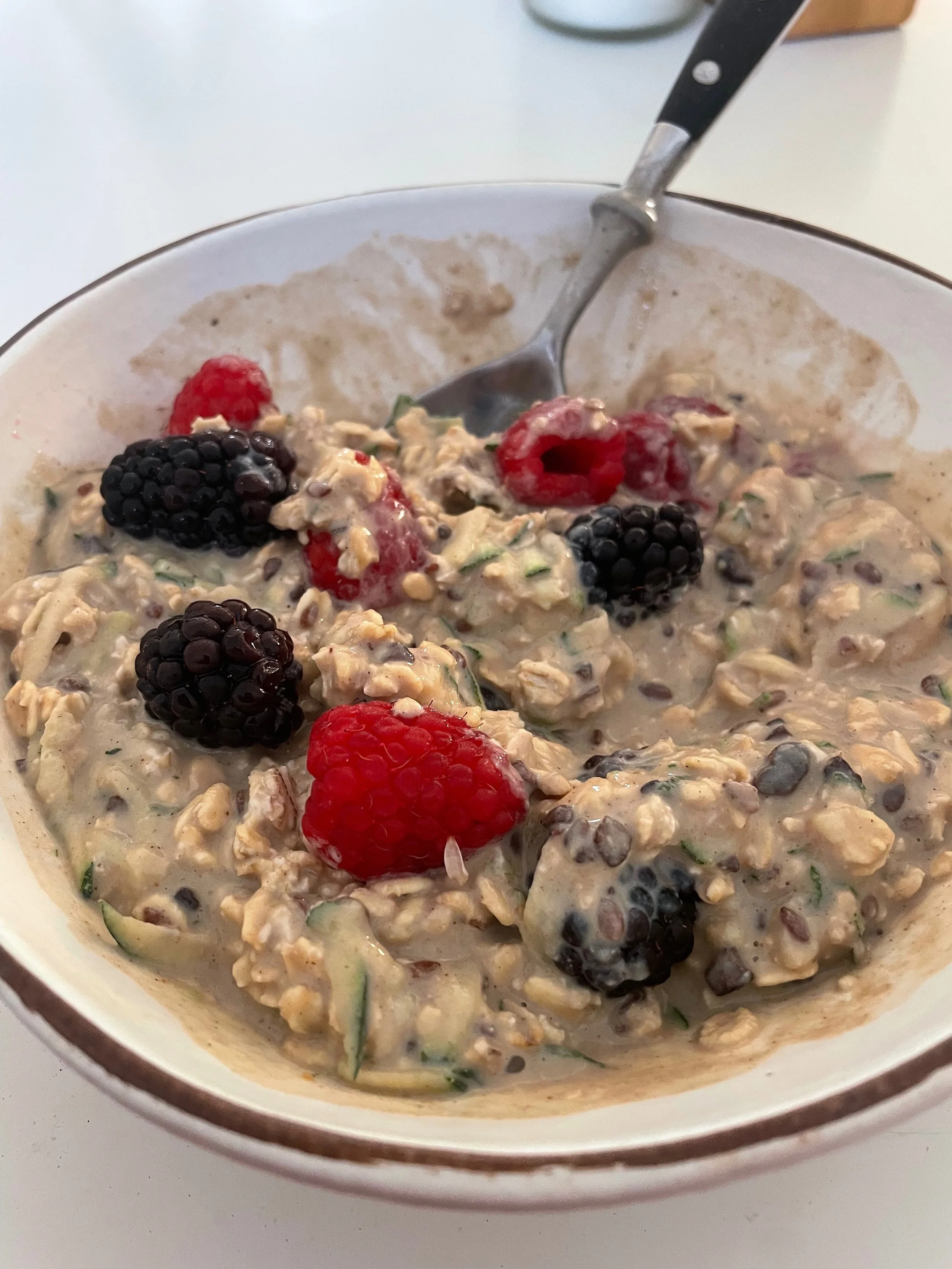
This meal really depends on my schedule. It makes a difference whether I'm at the beach surfing and coaching all morning or if I'm in NY or some other city (San Jose, Paris, Mexico DF) pumping out epic content for the zines. If I eat this meal it’s because I’ve skipped the first, smaller breakfast, and I’m ready for my first big meal of the day (usually after a surf or a workout). If I skip this meal it’s because I’m in the water and eating snacks until lunch. When I eat this meal I always go big with protein. That’s why you see some sort of tofu in most of the dishes above. I will also allow myself pastries from time to time. If I have oatmeal I make sure to add protein powder and/or peanut butter to give it a boost. If I’m traveling this is a fun meal to explore the regional vegan pastry selection.
Lunch — My Favorite meal of the day
It's either coming off a long morning of surfing or a big day in the office pumping surf wisdom into videos and Google docs to share with all the fine surf nerds out there. If I'm home, I'll walk Pita before I have my lunch. My lunch must contain vegetables. It’s also one of my favorite meals to have out. I pretty much never skip lunch, and in most cases it’s the largest meal of my day.
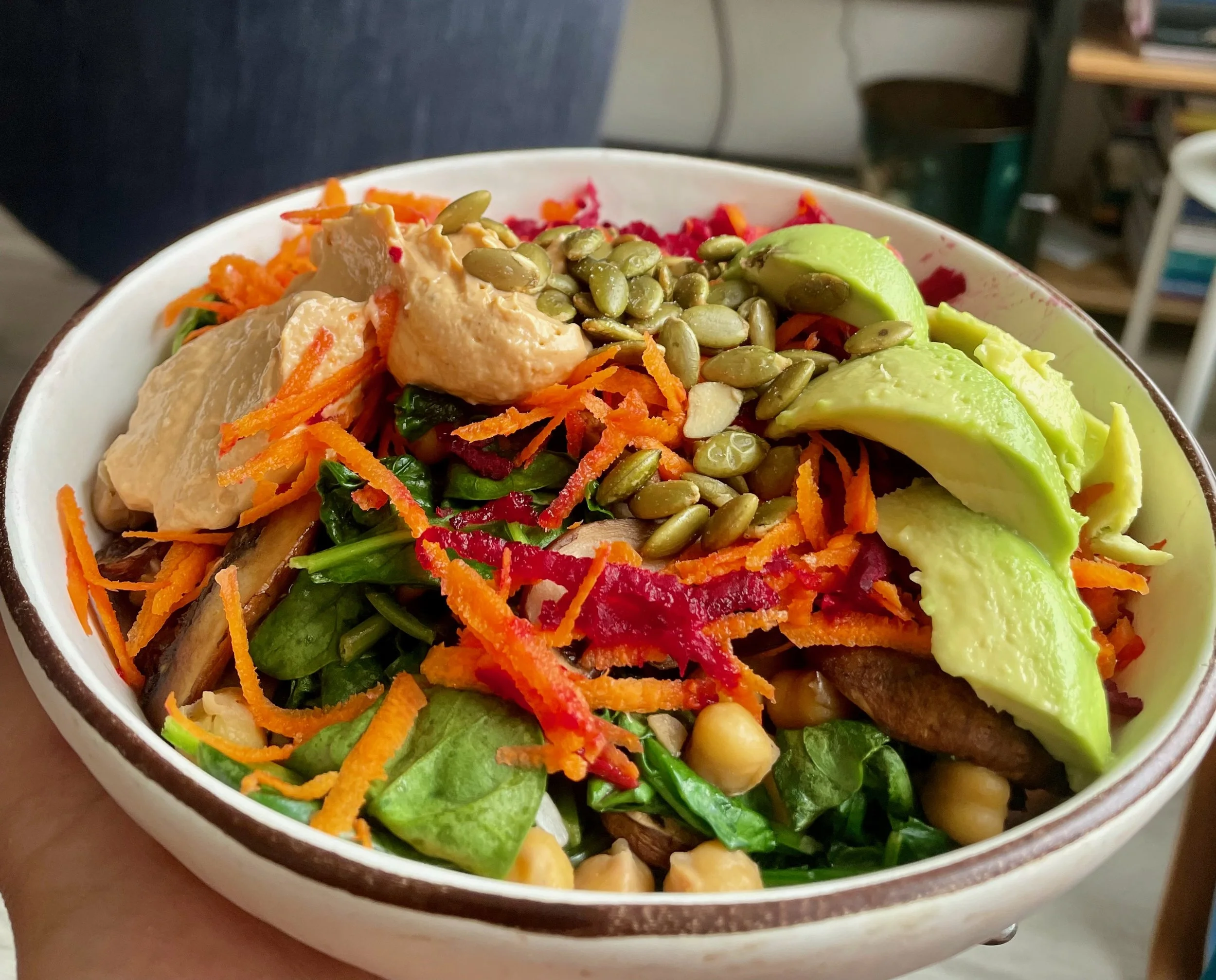
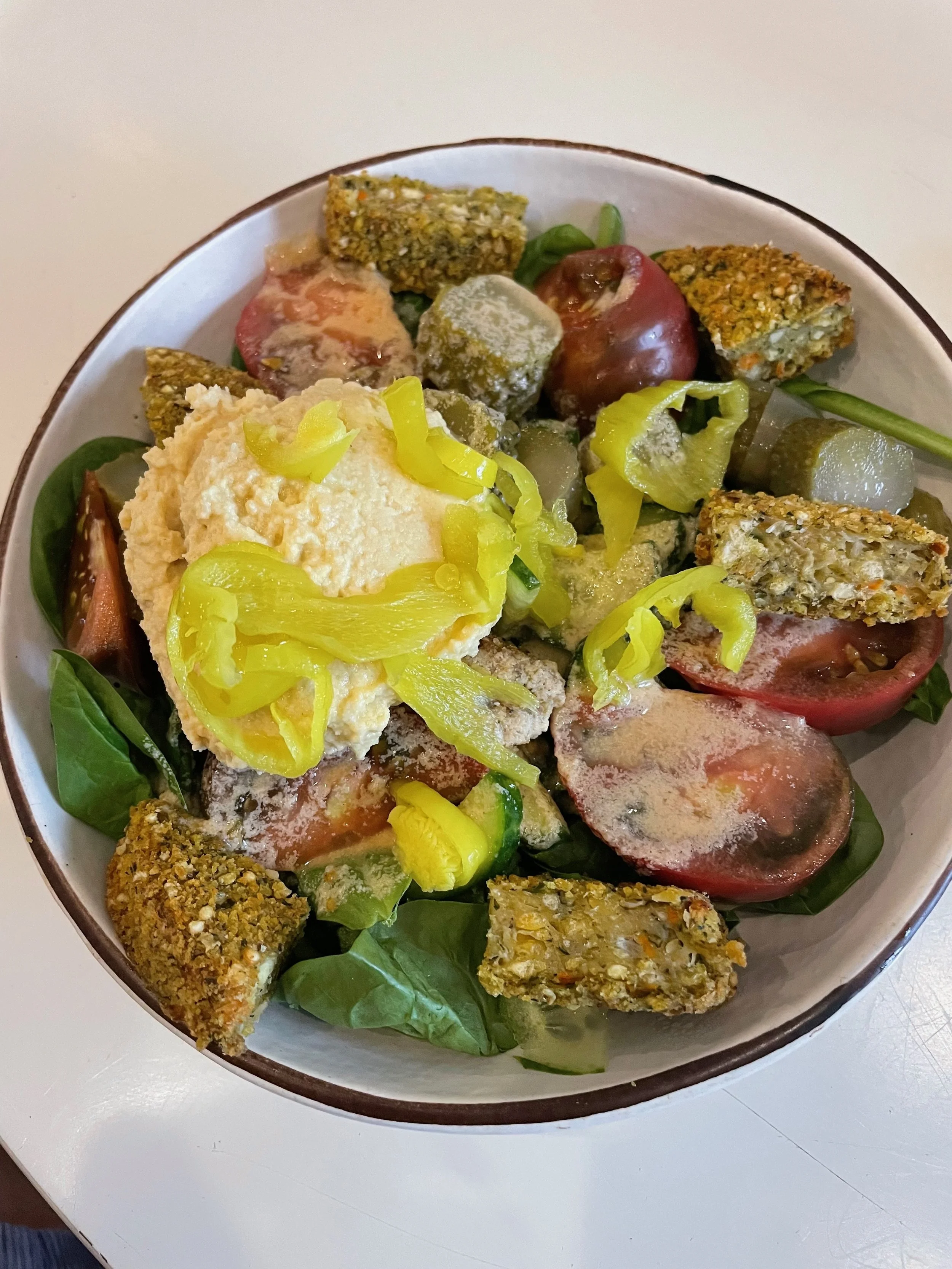
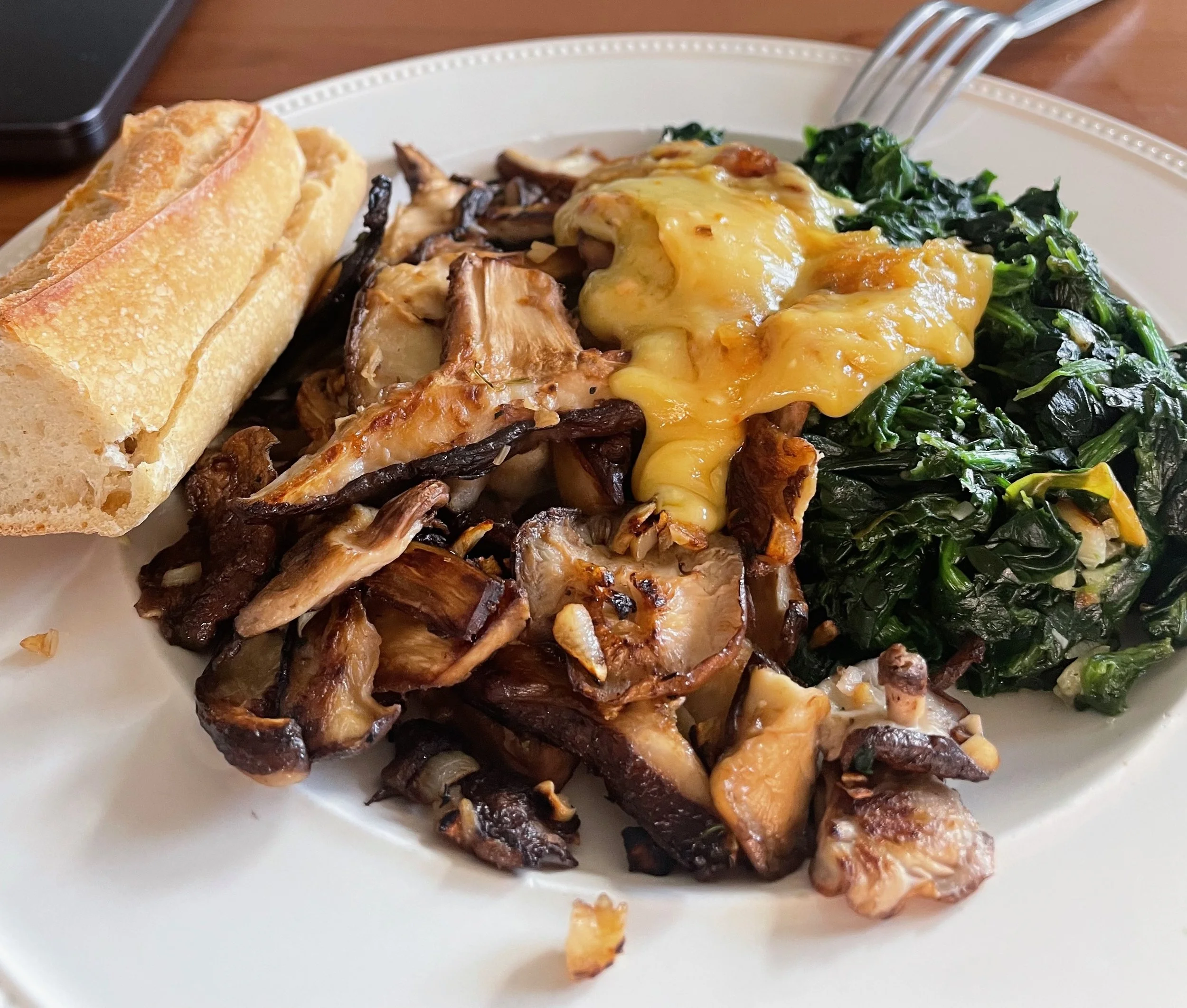
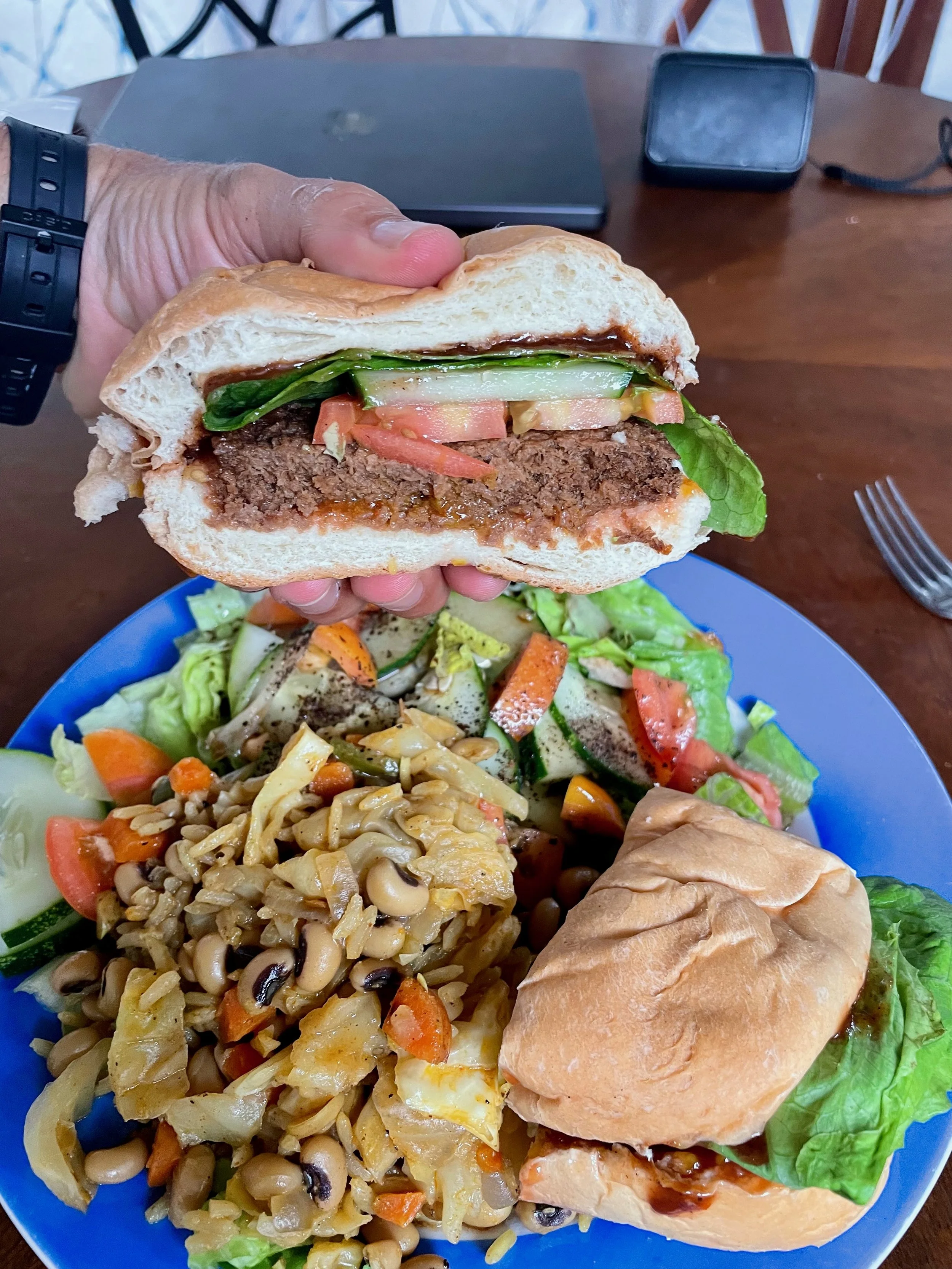
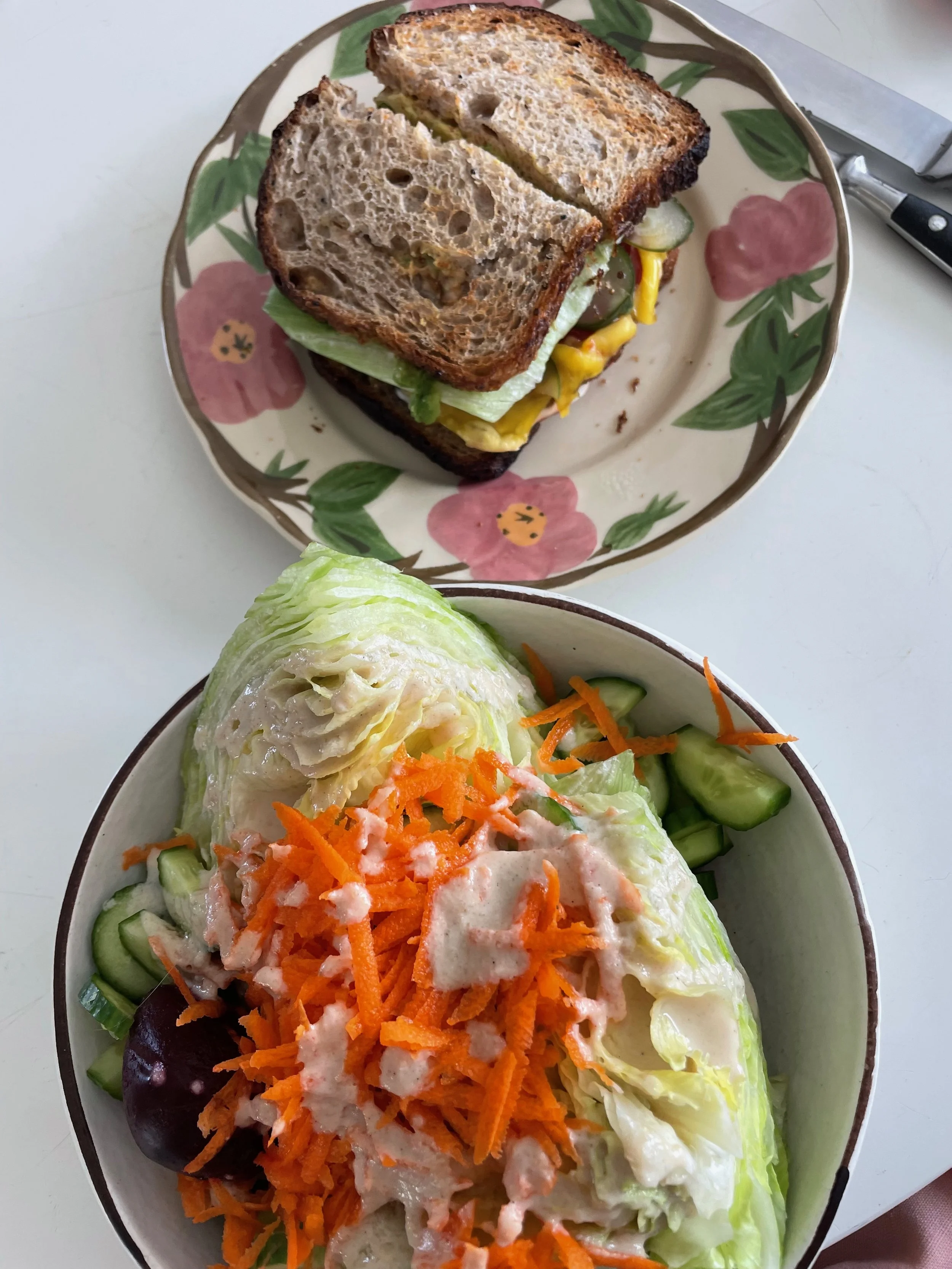
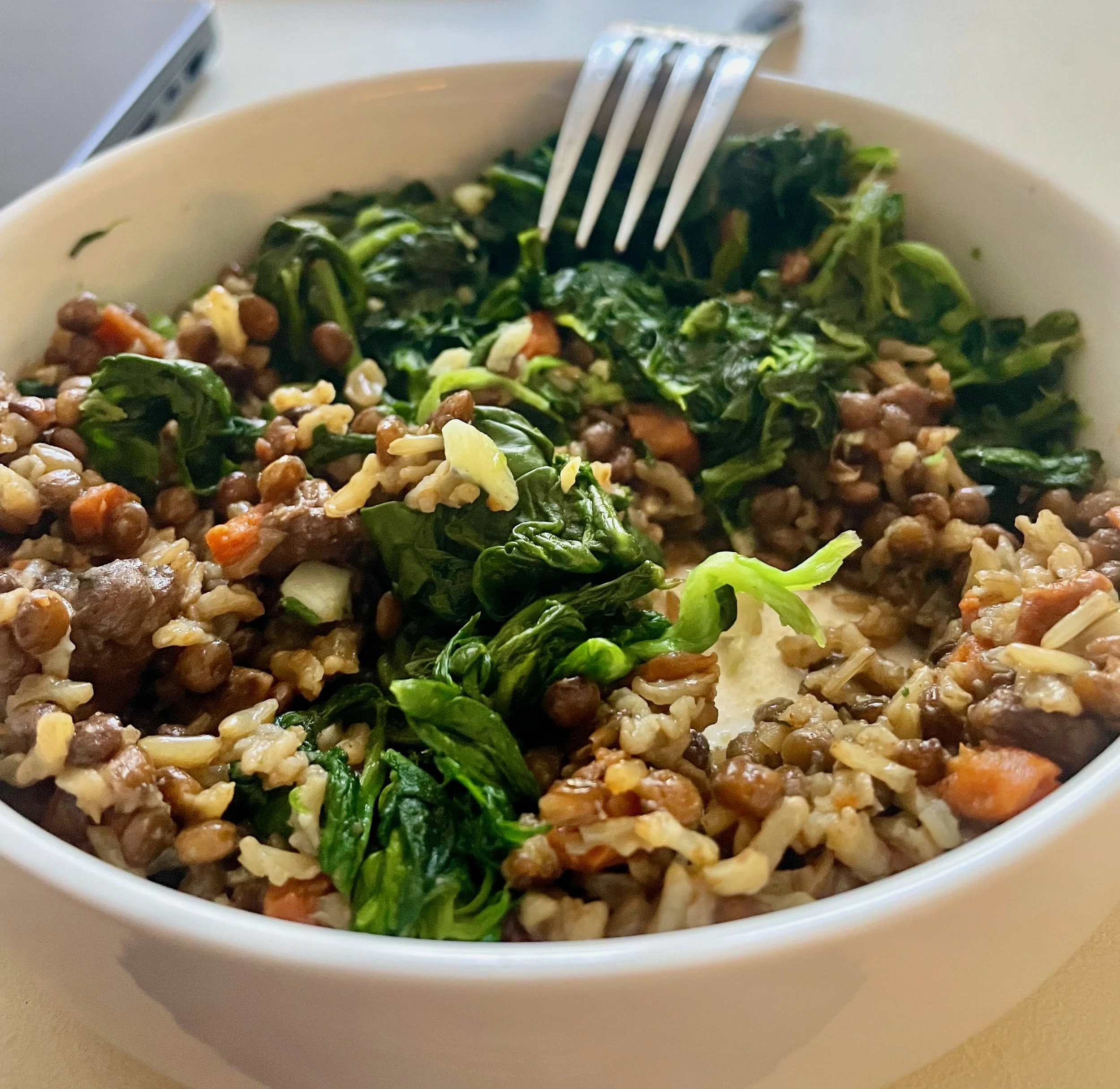
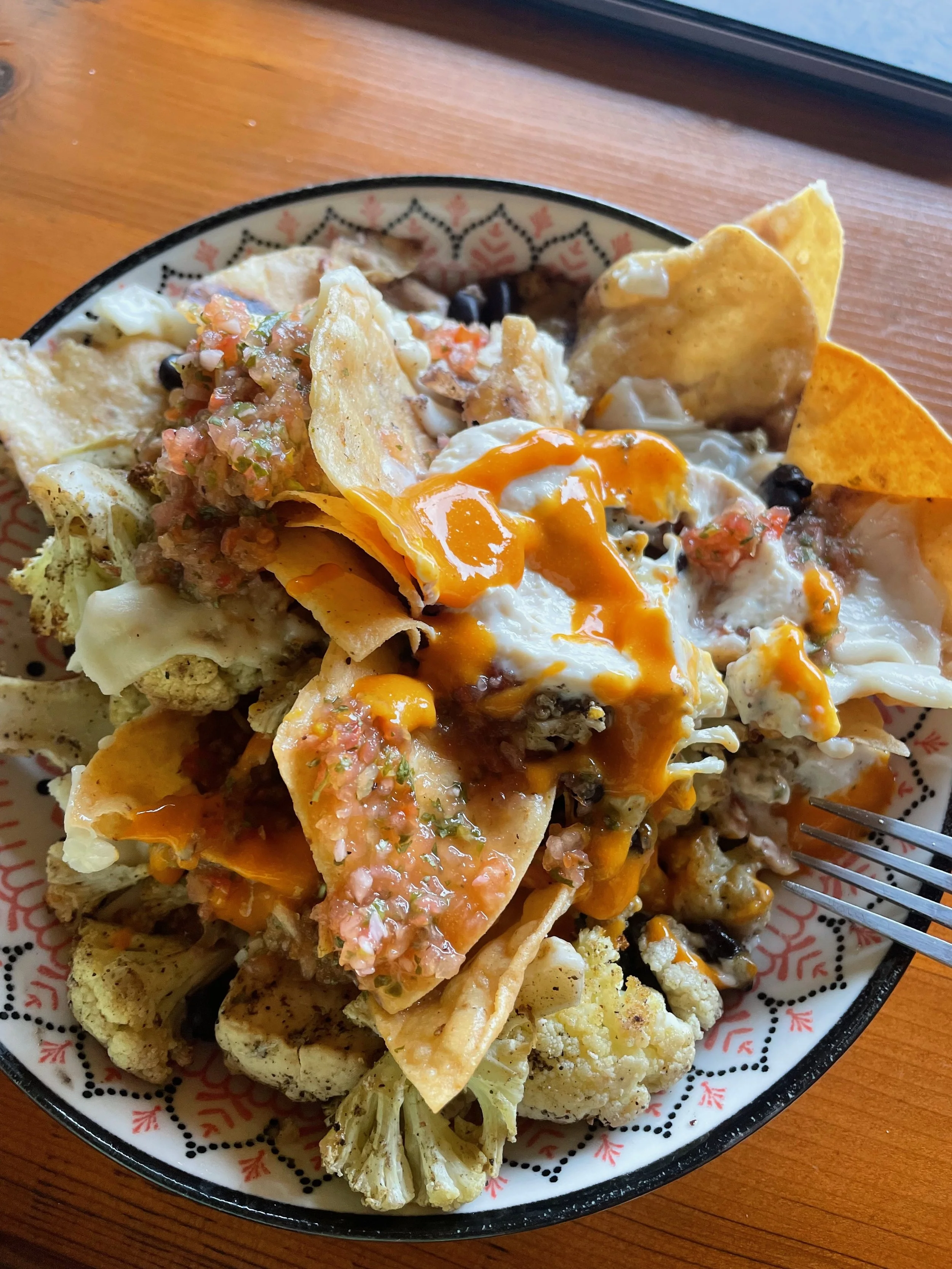
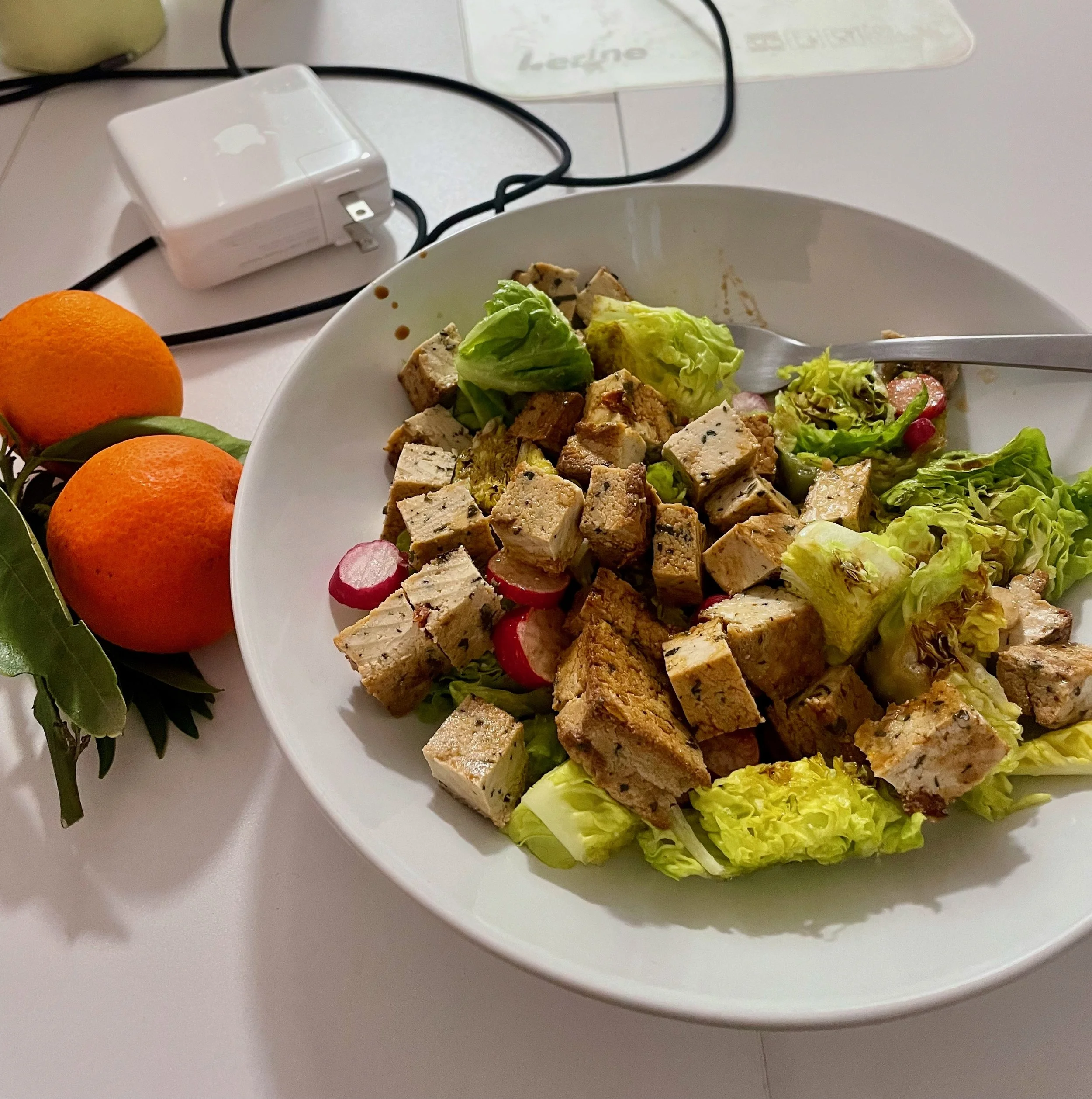
Salad sandwich combos — by sandwich I mean anything from a veggie burger with pickles and tomato and avocado to a tofurky sandwich or baked tofu sandwich. Salads I like a lettuce, spinach, or arugula base and I add cucumbers, radishes, shredded carrots or beets. I also love a good "shred slaw" which is a salad made from cabbage that can last longer in the fridge.
Go-to dressings:
Tahini, lemon, garlic, salt, and water
Mustard, apple cider vinegar, maple syrup, salt, pepper, and garlic
That's right — I don't ever put oil on my salad
"Shawarma bowls" — a big salad with air fried potatoes, steamed seitan or baked tofu, cucumber, hummus, pickles, and olives with the tahini dressing
"Shred bowls" — grain based bowls served with ½ cup of a cooked legume like lentils or chickpeas, a bunch of shredded vegetables, edamame, baked tofu, avocado, nuts, and seeds
Leftover dinners — sheet pan bakes, curries, soups, pasta and noodle dishes packed with veggies and at least two kinds of plant protein
Lunch on the road:
Costa Rica: loaded breakfast burritos from Cafe Mono Congo or Indomitos— check out my guide to surfing Costa Rica
France: baguettes with pizza tofu and whatever veg is hanging around
Barbados: veg rolls from PRC Bakery and iced coffee from Orange Street Grocer
afternoon snack & Coffee
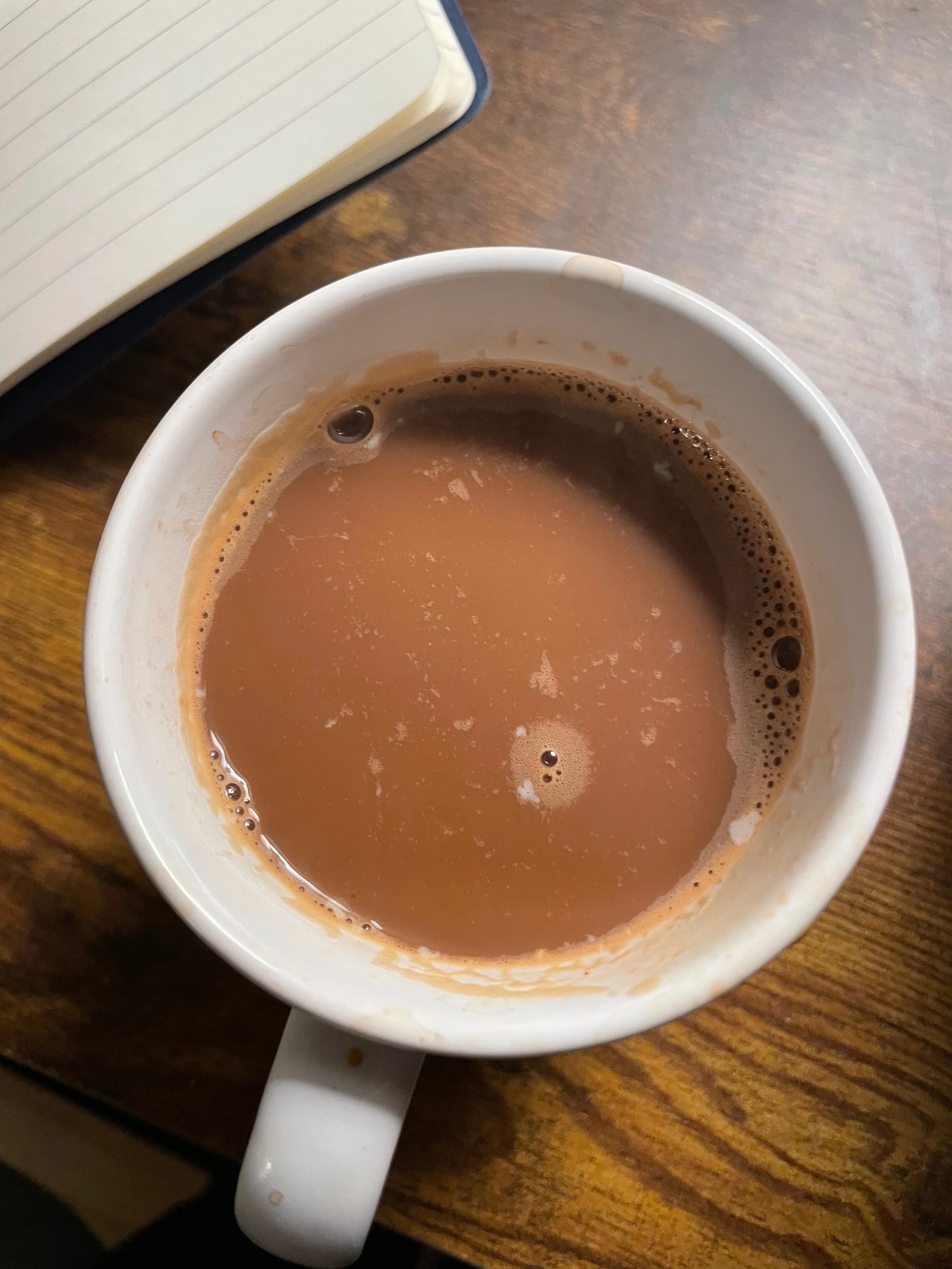
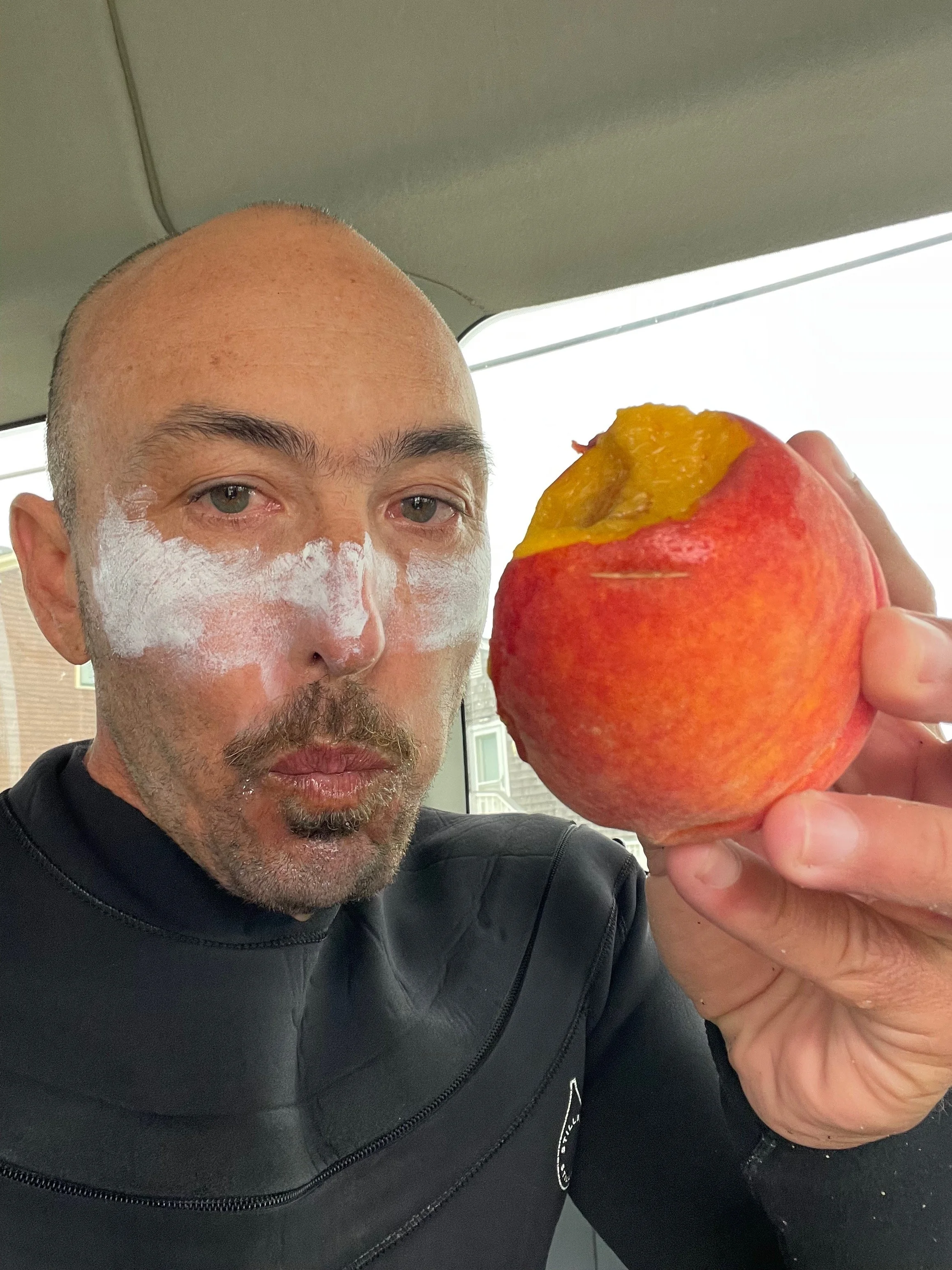
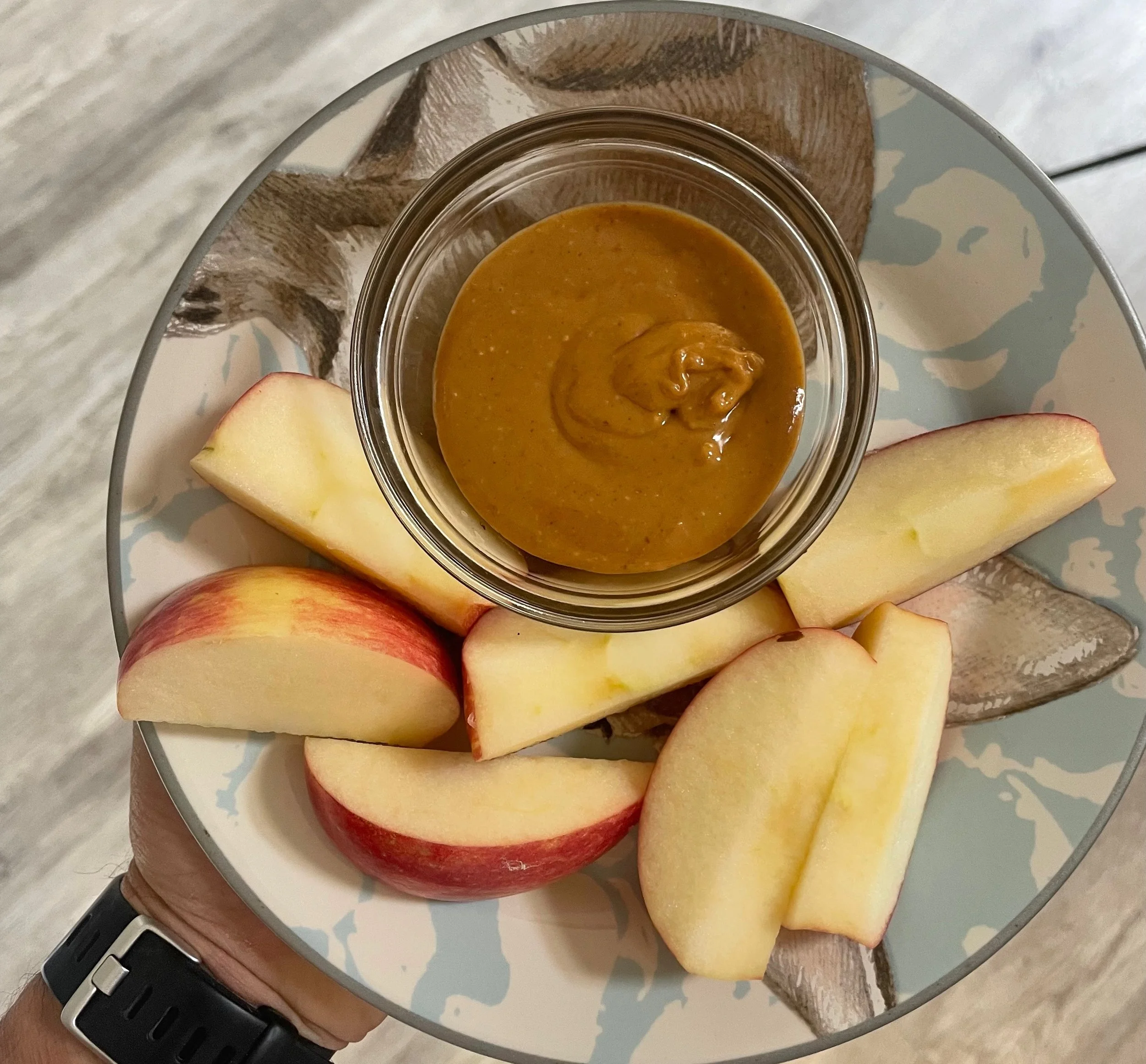
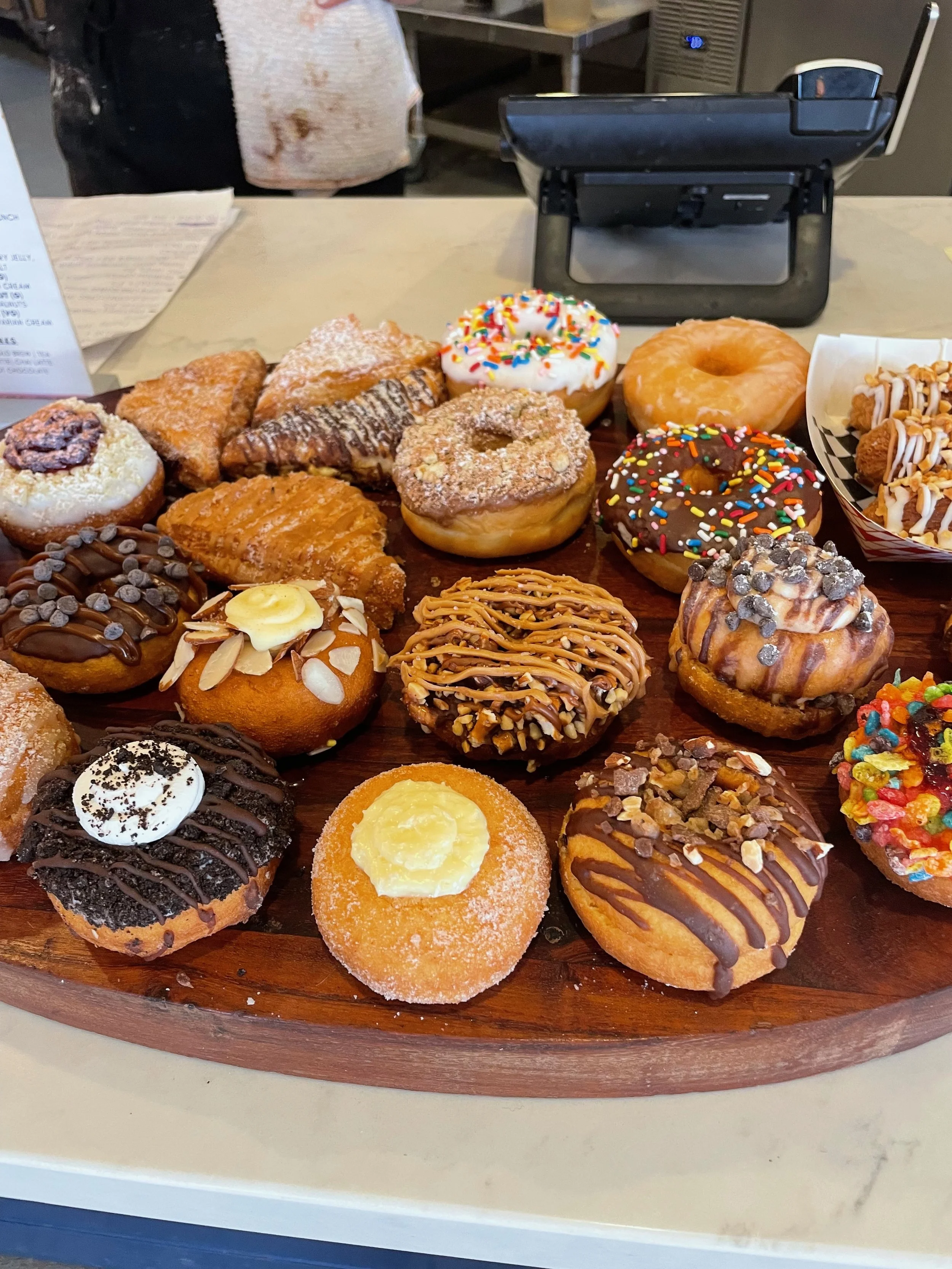
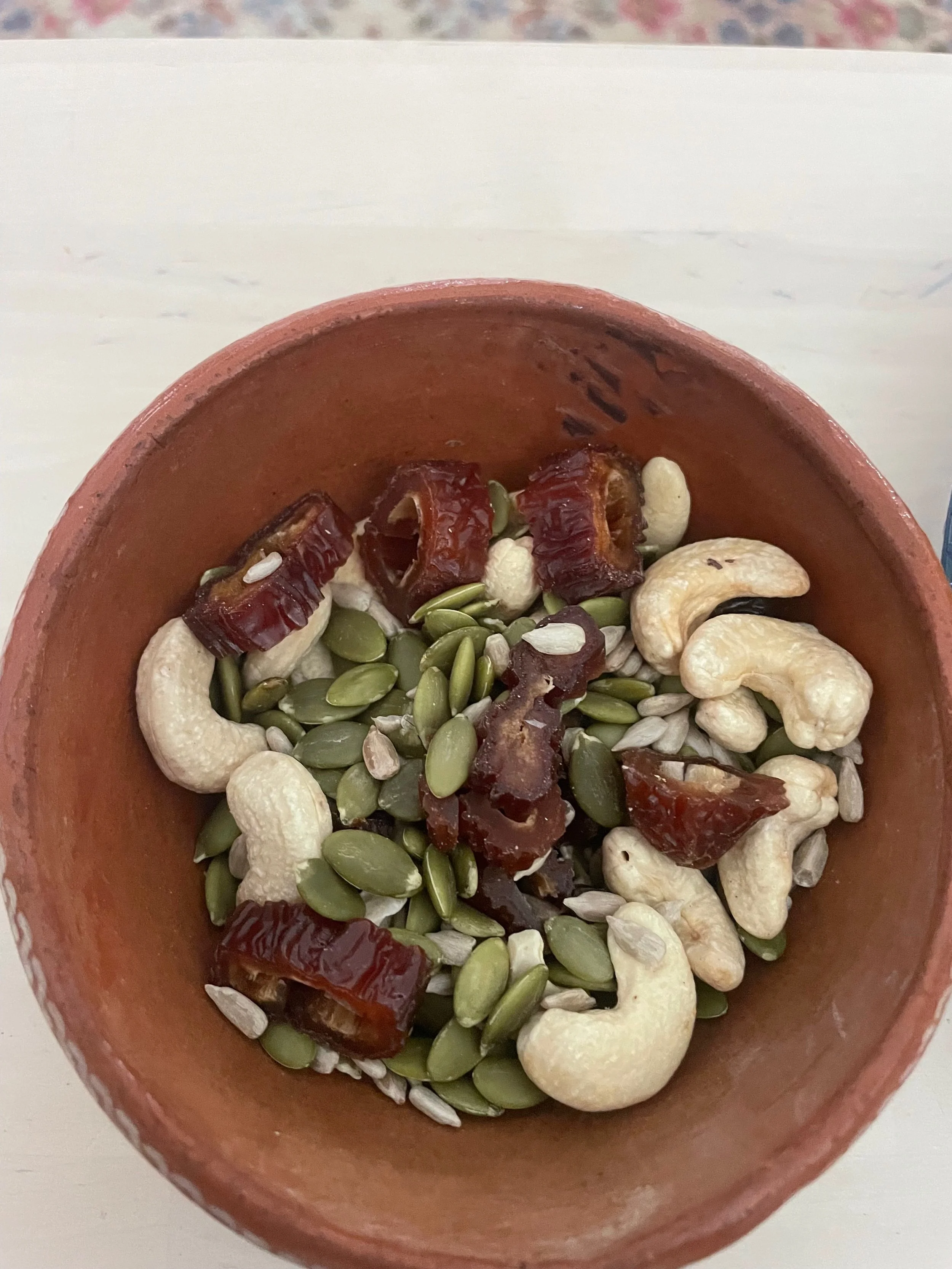
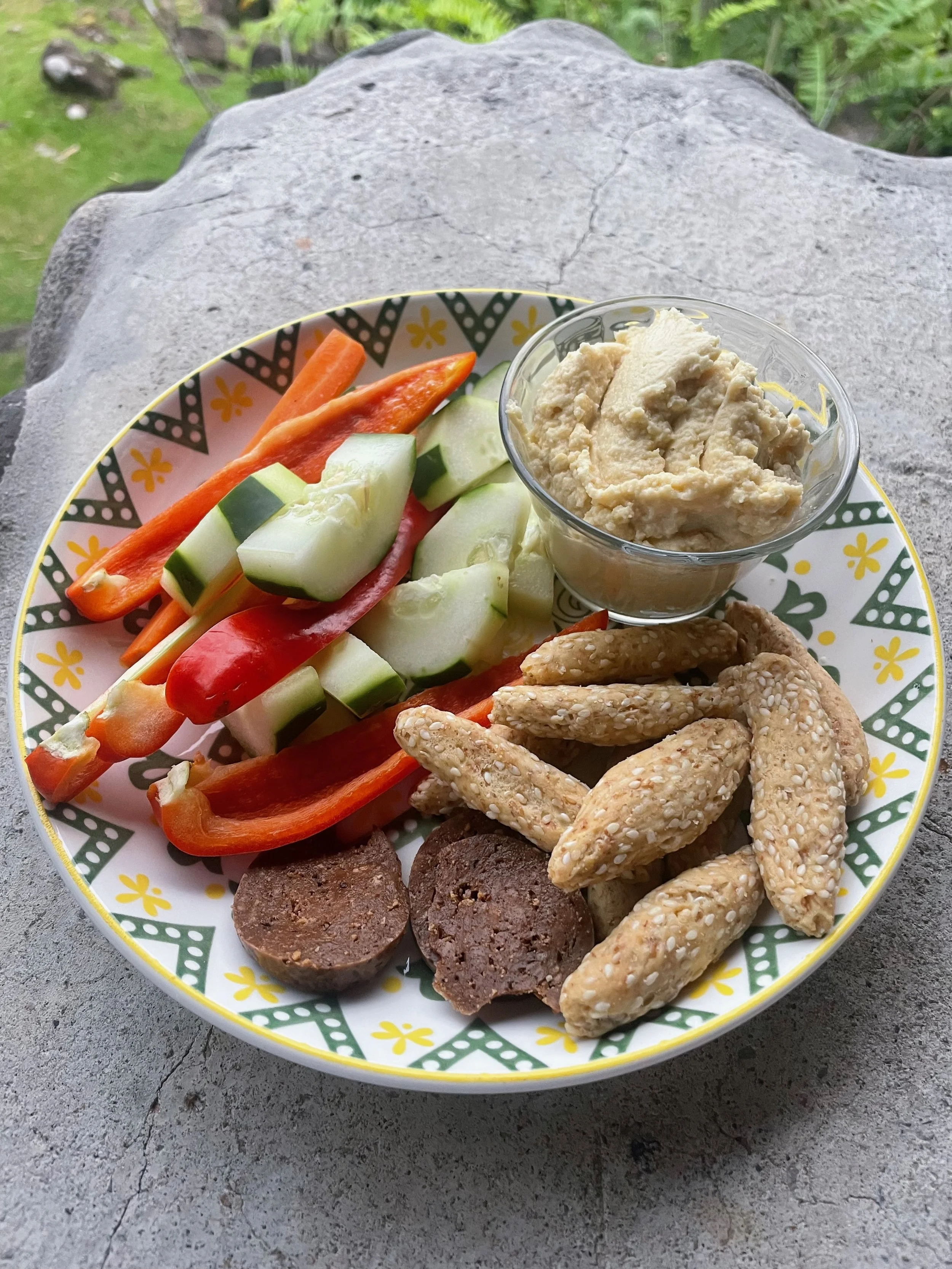
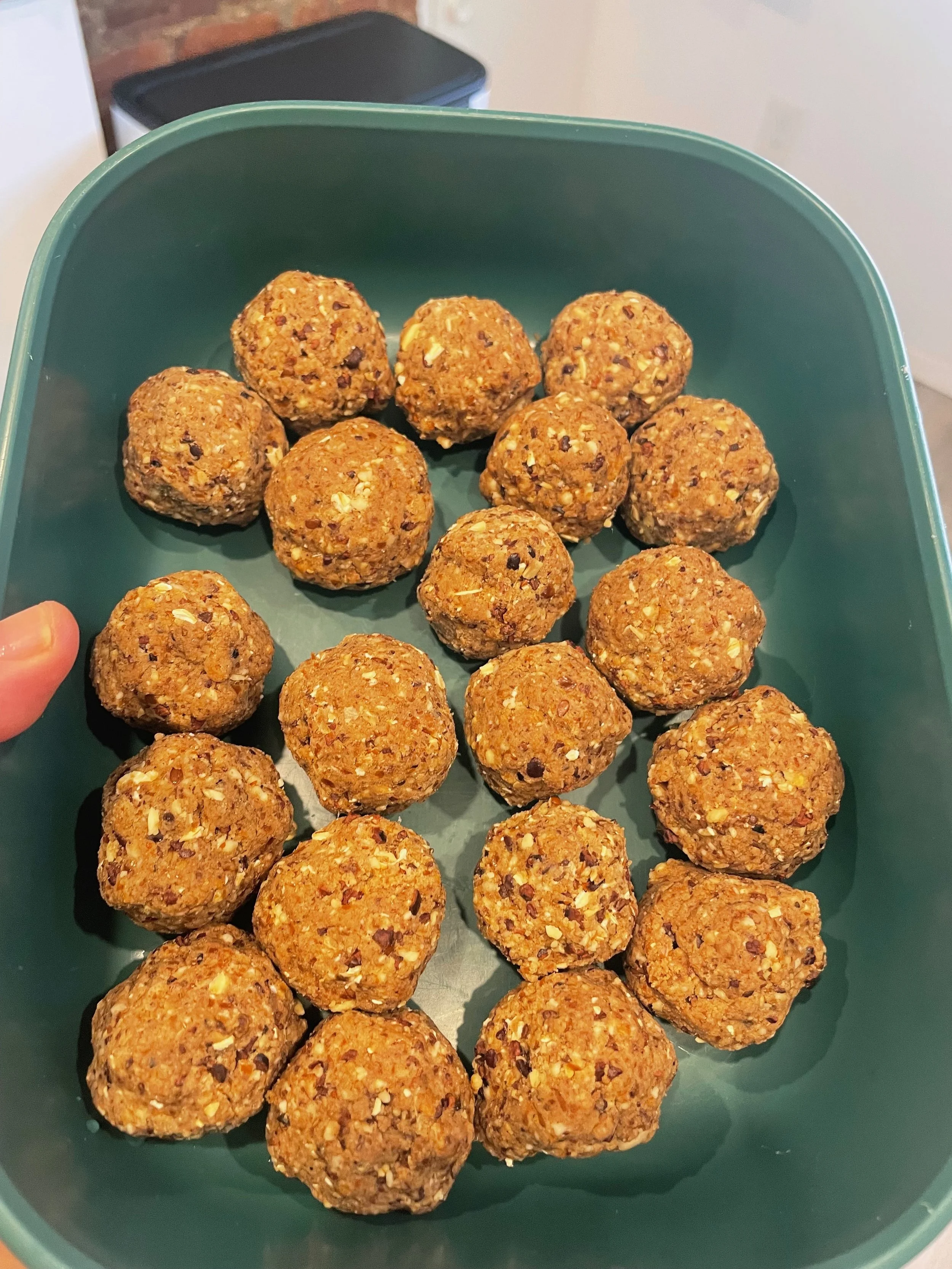
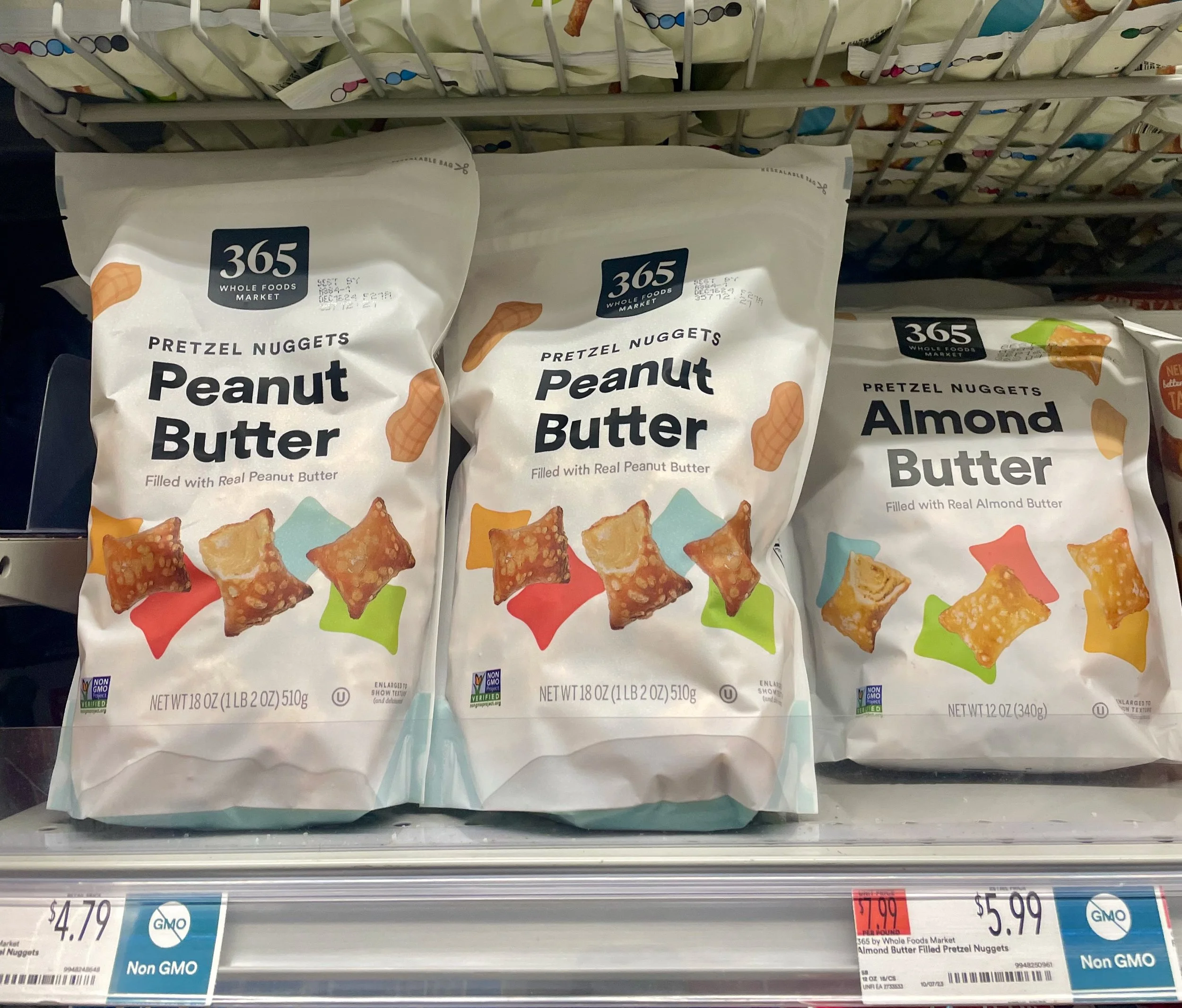
I love my 3p cup of coffee and pick-me-up. If I'm having a light day at home the afternoon snack doubles as dessert and will be my last meal of the day. It’s definitely my favorite time of the day to eat something sweet, but if I’m low on veggies for the day I’ll have veggies and hummus or a protein shake with frozen bananas, spinach, almond milk, and protein powder. If I have a social dinner planned I skip food at this meal and just have a coffee.
Dinner
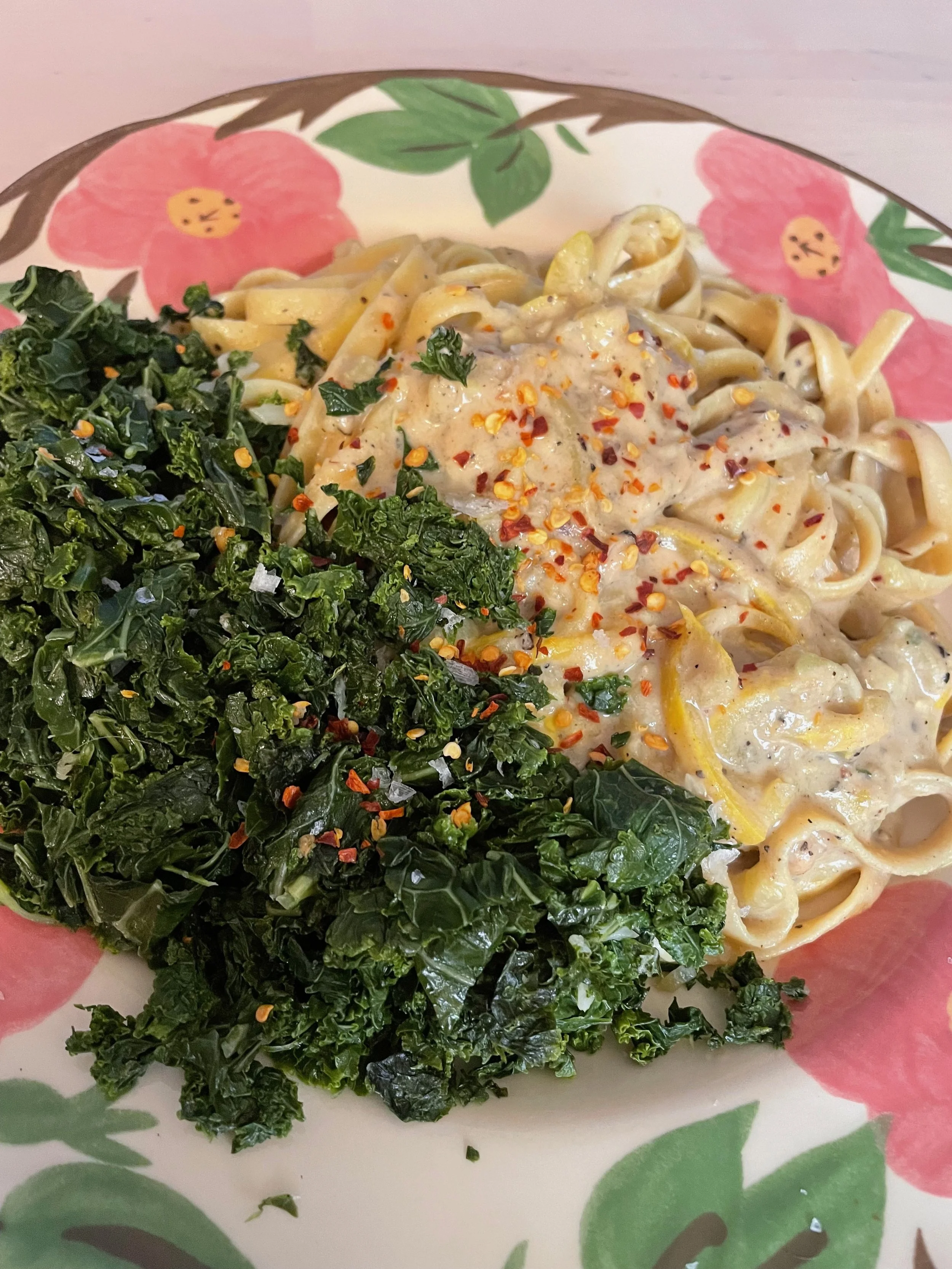
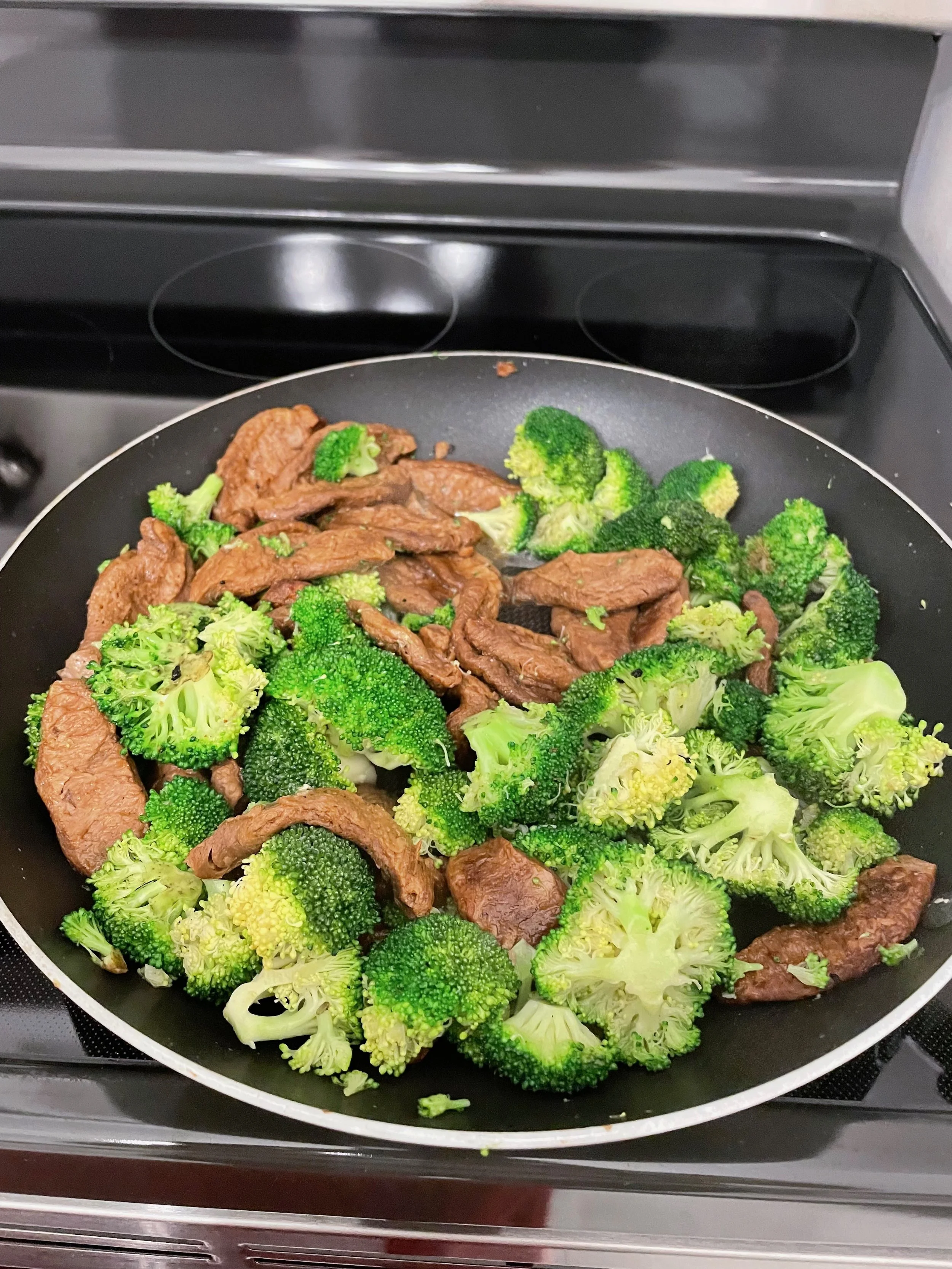
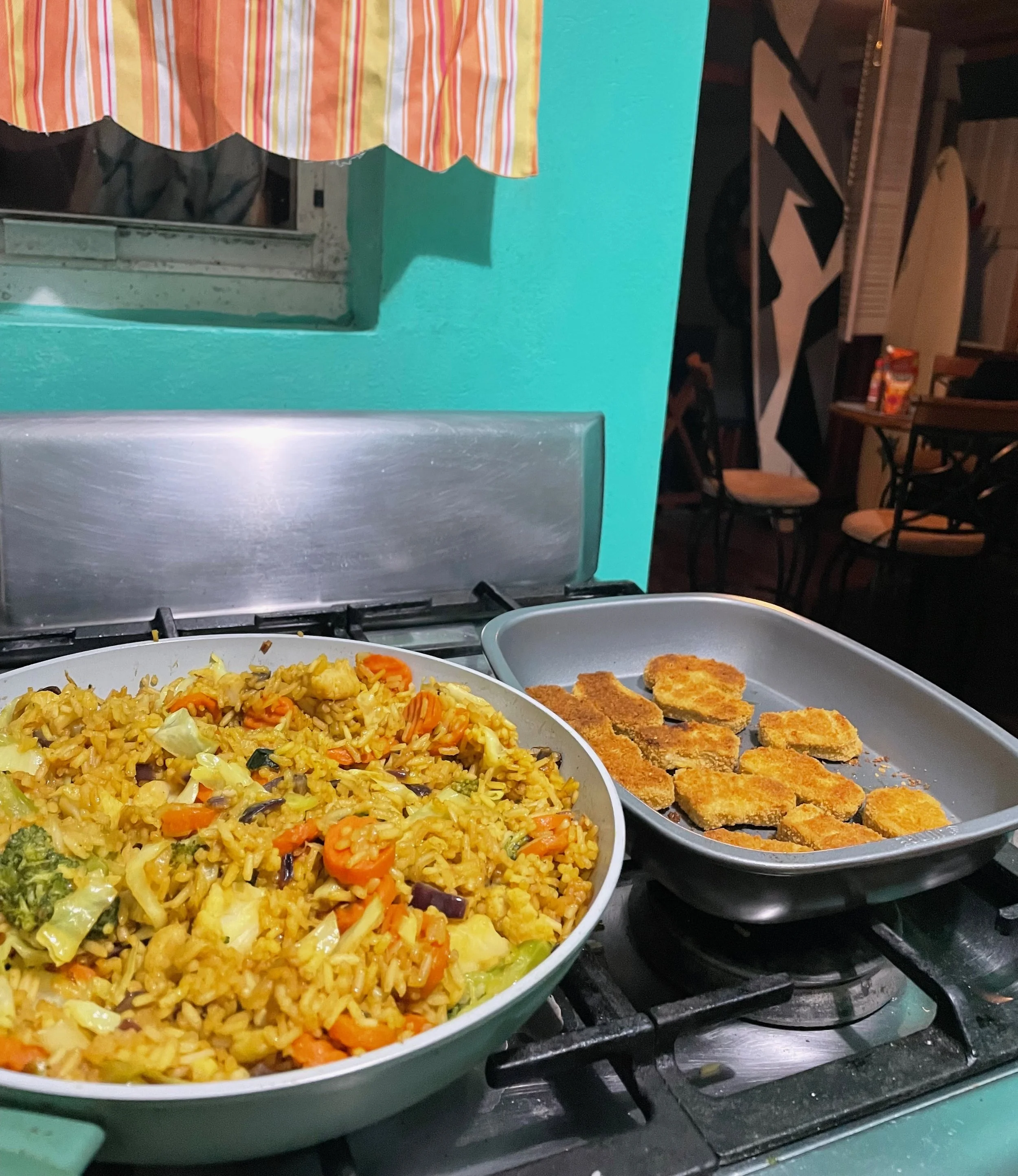
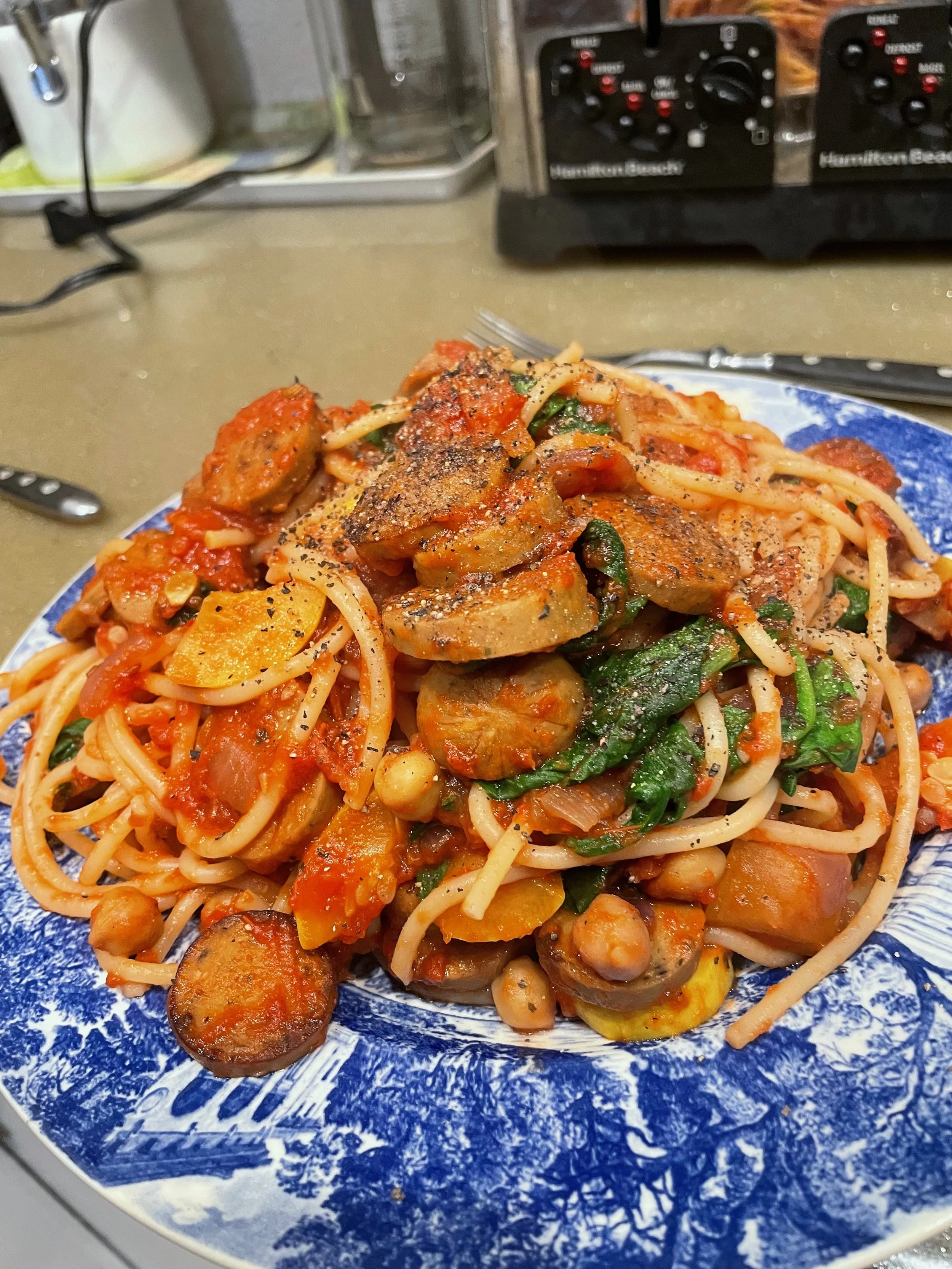
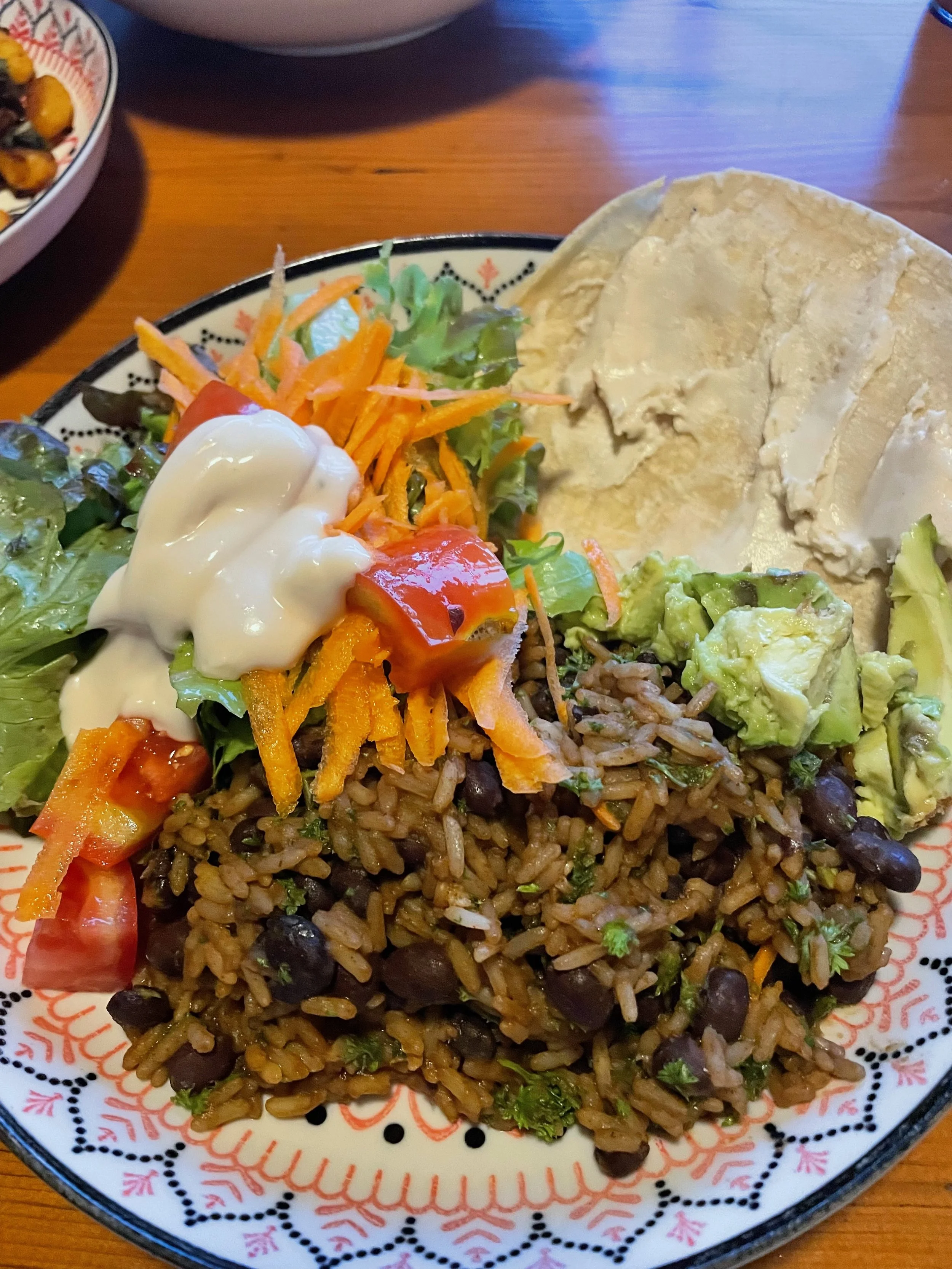
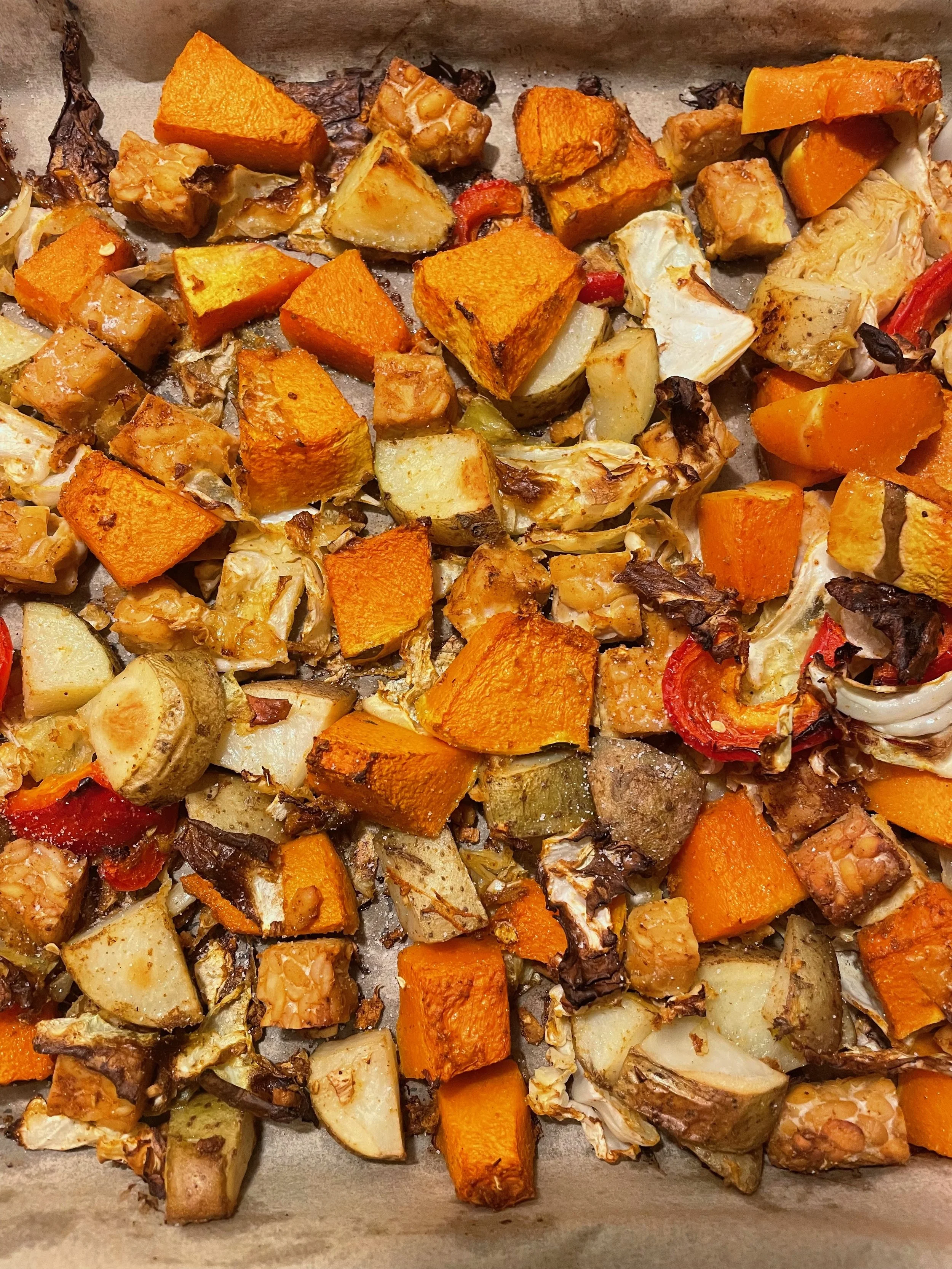
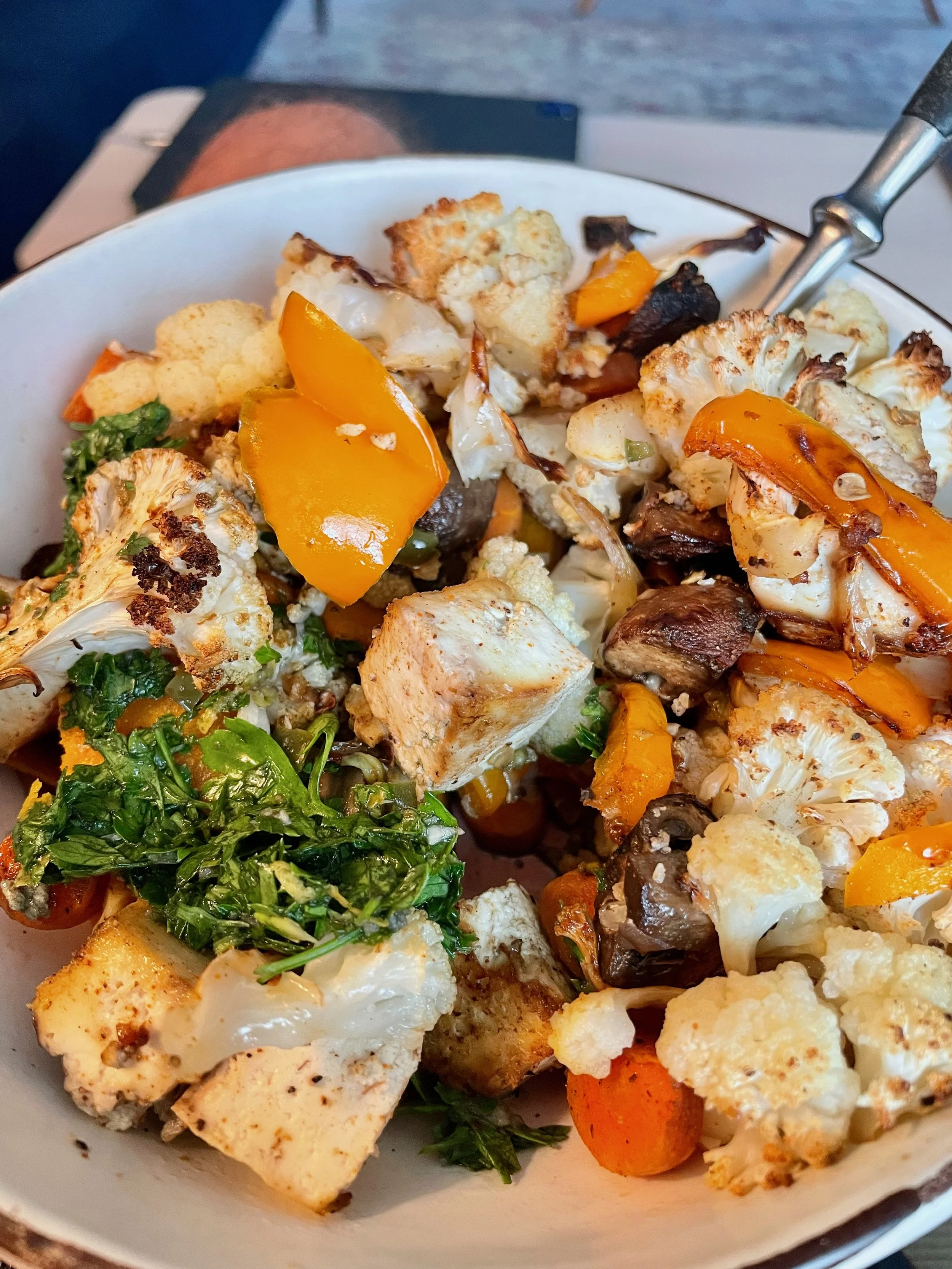
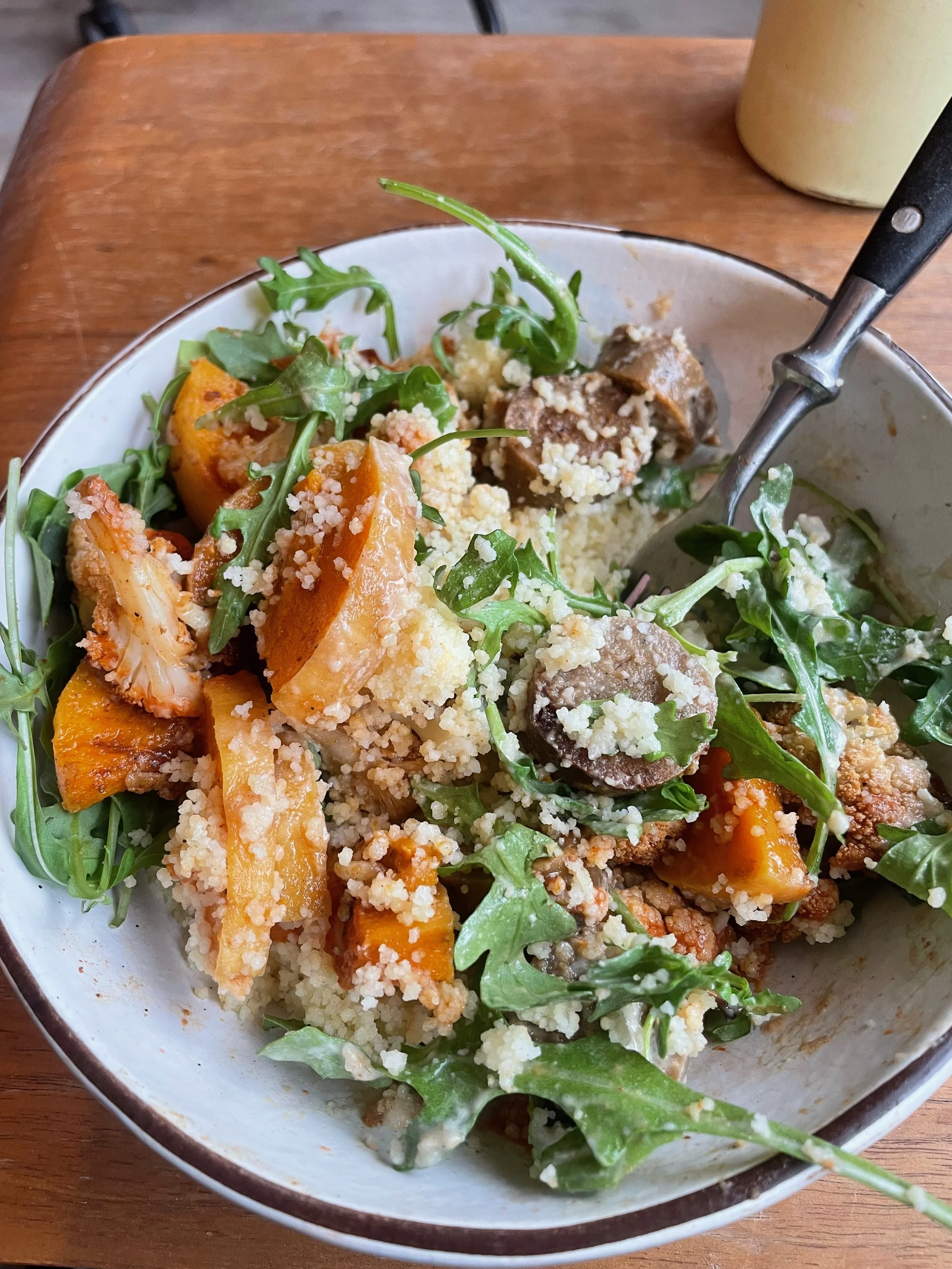
There's always a walk, a stretch, a surf, or chores before dinner. If I’m on a surf trip I never miss this meal. I’m usually cooking for the crew. I eat dinner out sparingly and on special occasions. The key with home made dinners is to double or triple up the plant-based protein sources. If I’m having a bolognese sauce with pasta, I add TVP and lentils. I may have a bowl with quinoa, edamame, tofu, and tahini sauce. Dinner always includes TONS of vegetables plus a grain or starch like pasta or rice. Here’s a list of the main players:
Sheet pan bakes
Stir fries
Bowls
Pasta and noodle dishes
Curries
Baked potatoes
Steamed or sauteed veggies
Seitan, tofu, beans
Grains like farro, quinoa, and barley
Soups and stews with Sophia's fresh baked bread and some vegan buttery spread
Dessert
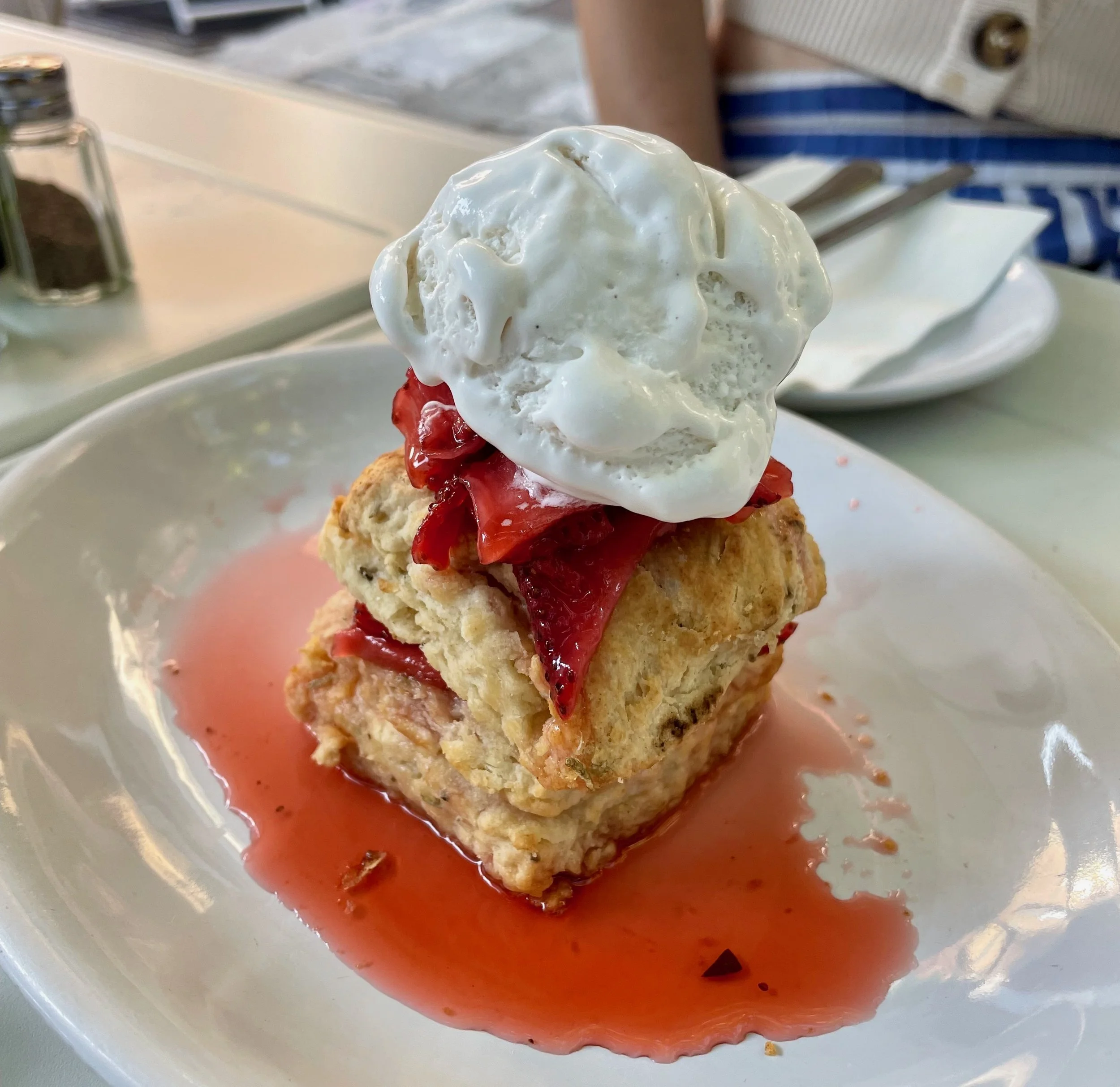
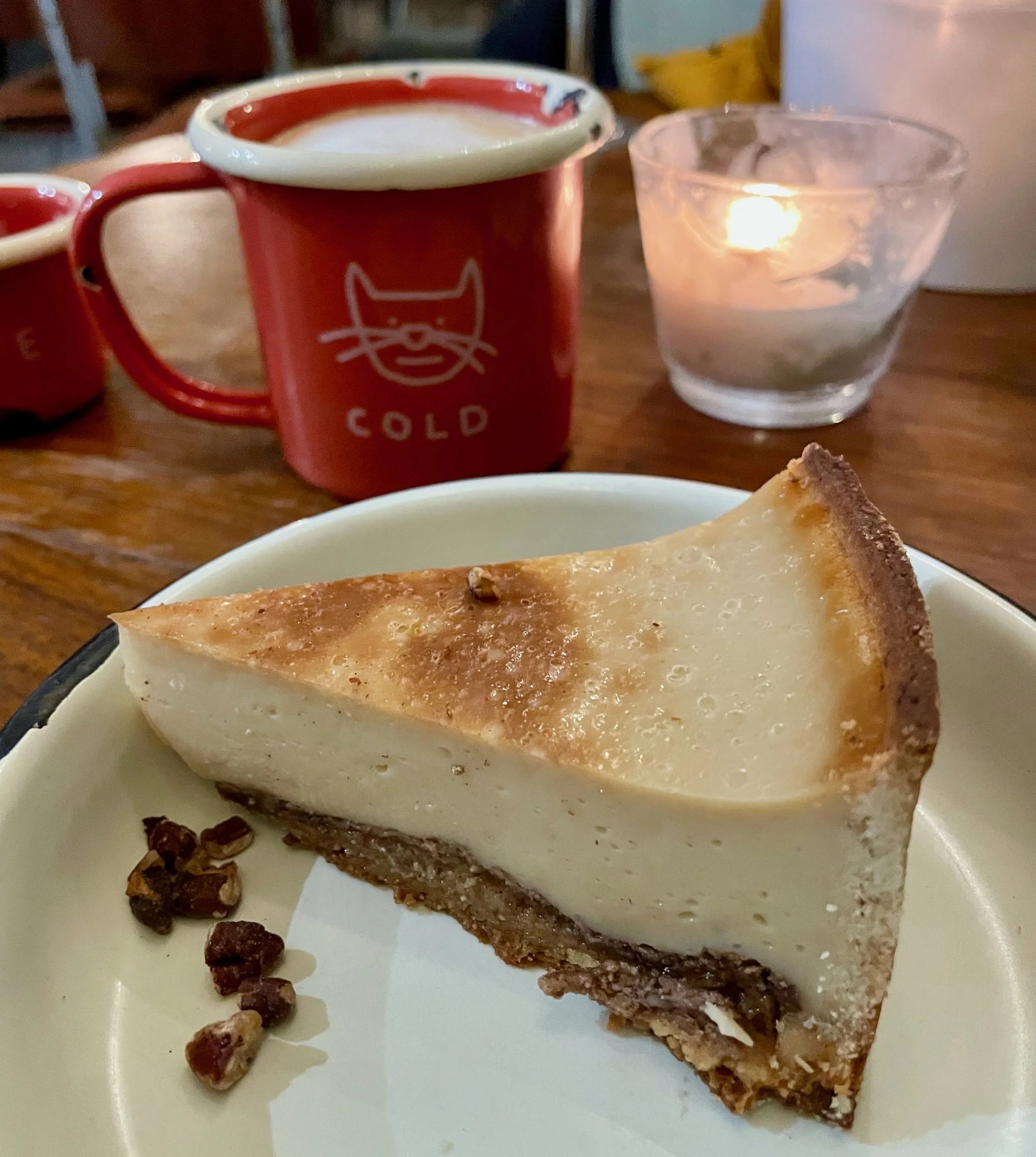
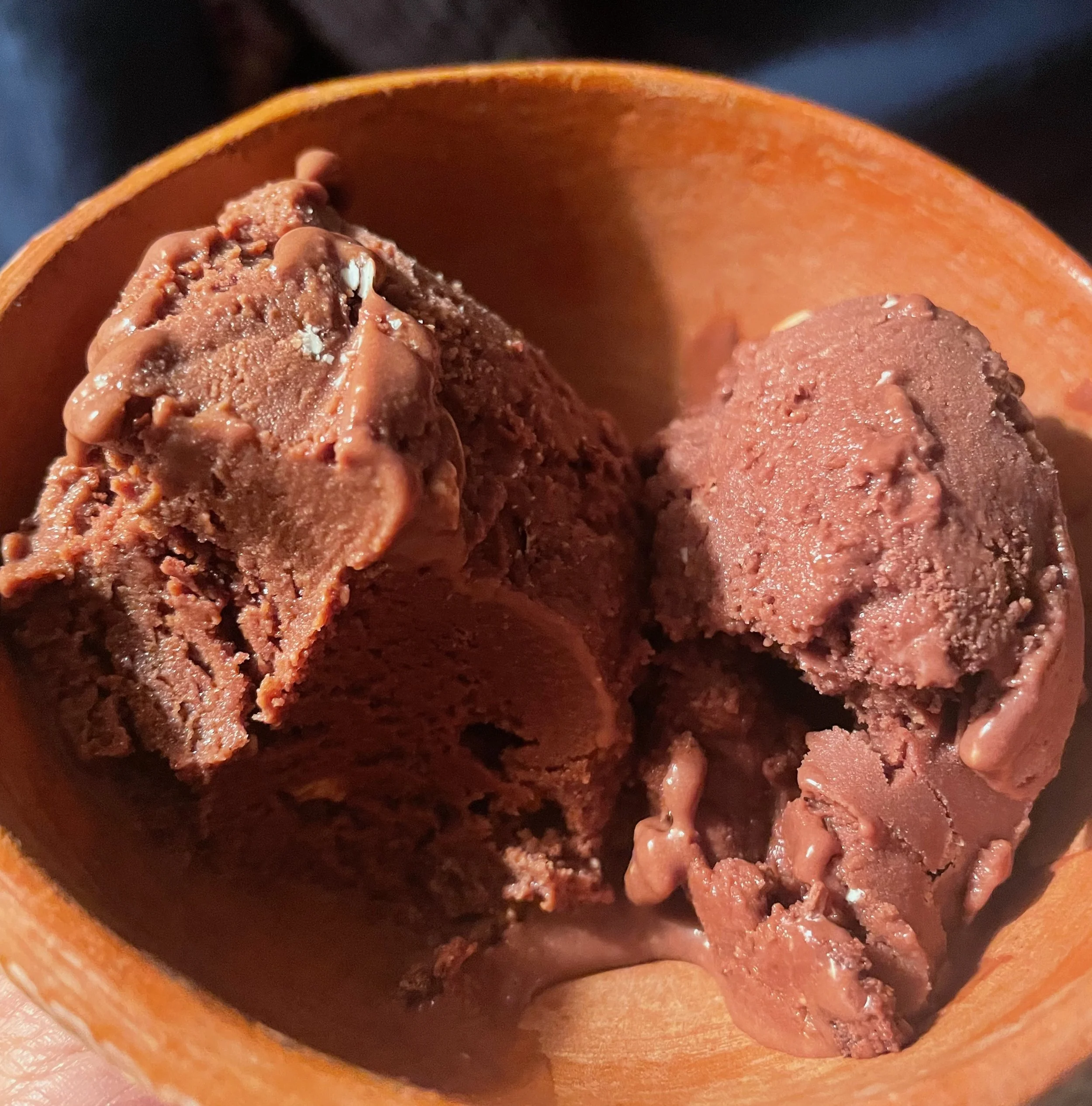

Not an everyday thing, but I do enjoy a sweet ending now and again. My wife is an amazing baker, and we both enjoy trying to see how little sugar and fat we can use in our homemade desserts. If I’m having a celebratory meal out it’s not complete without a dessert. Remember, the only sustainable diet is the one you can stick with. Of course if I’m trying to slim down, dessert is the first to get the axe after alcohol.
Why This Specific Plant-Based Eating Pattern Works for Surfing
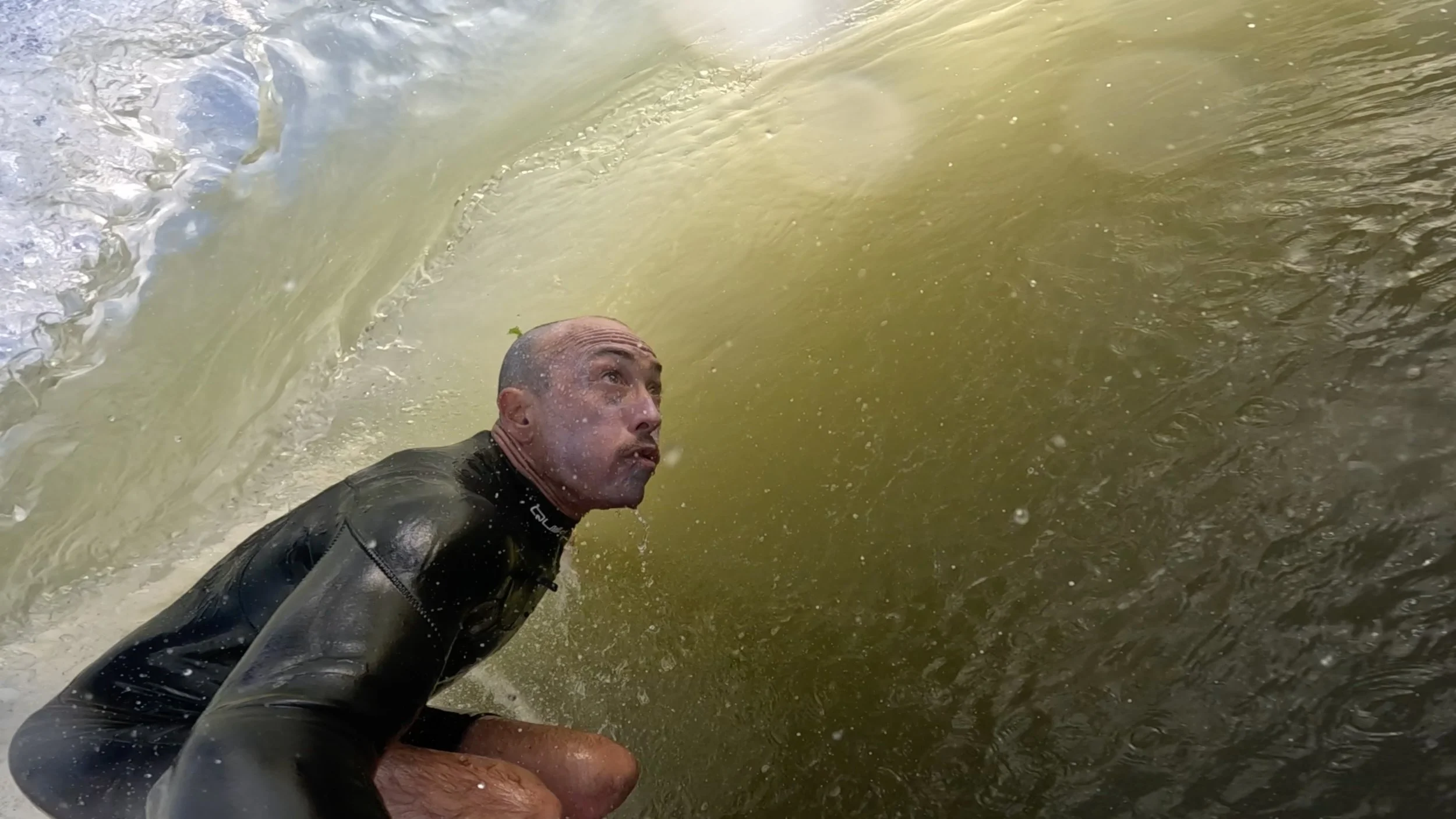
The better you fuel the better tubes like this feel.
Prior to adopting a fitness-oriented plant based diet I was wracked with low grade worry and confusion about what to eat on a daily basis. I would starve through long surf sessions and come home hangry and tired, ready to rip the doors off of the cabinets. My digestion was always off, and I found it almost impossible to stop the creep of weight around my midline as I cruised into my 40s.
Now with the above plan in place, my digestion is like a swiss clock, my mood is even, and I never have decision stress. It's crazy how much even a rough meal plan eliminates that stress and adds more time back to your life! I feel fueled but not too full for surf sessions and workouts.
Most importantly, I would say my surf recovery is about 3-4x better than it has ever been in my life (yeah even better than when I was a teen).
And I didn't get into this for the six pack, but I can’t lie: it has been a super bonus. No mid section bloat. No muffin top. Just lean, well fed muscle, ready to shred whenever conditions allow. This is surfer nutrition at its finest.

Sign up for the energy and the ethics, leave with a six pack and less decision fatigue.
And last, I'm grateful to be liberated from all the stupid myths about soy, corn, seed oils, sugars, and carbohydrates. None of these are bad on their own. I do not fear any one particular food group, and my consciousness is cleaner without ingesting animal suffering. Eating this way helps keep me in alignment in and out of the water.
If you want to take your surf nutrition and fitness to the next level, I have developed a few ways to help you out, from high touch accountability coaching and customized nutrition to my downloadable Road Map to Surfing Fitness — a $27 guide covering surf-specific training, plant-based meal plans at multiple calorie targets, and the complete system I use with my coaching clients.
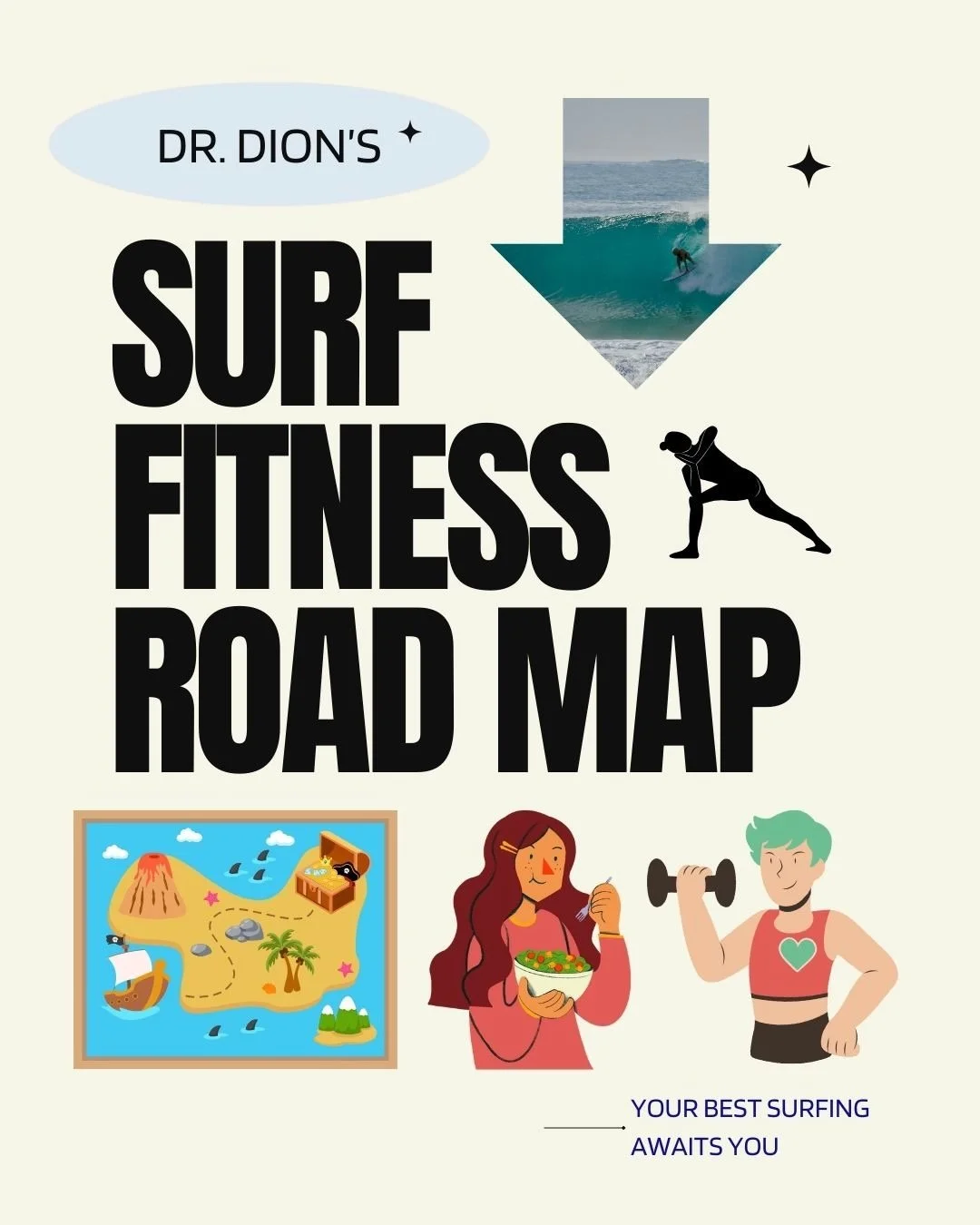
Click Here To Get Yours Today
$27 —> the best shape of your life.
If you’re convinced and want guidance, I got you. Sign up for a Surf Journey Assessment today and I’ll put the $99 towards your full surf, nutrition, and fitness coaching package.