Slack tide
Also known as “the top of the tide.” This is when the tide is at peak high or low and is neither moving in nor out. At many surf breaks the waves can go dead during slack tide (not everywhere at all times, but if you’re wearing a tide watch and you notice that a long lull corresponds to the peak tide, that’s a slack tide).
Outgoing tide
This is when the tide has hit peak high, gone through the slack period, and is now “moving back out.” In some surf breaks outgoing tide can dampen swell coming in. In others it can drain just enough water off of the bottom to make it possible for waves to break.
Incoming tide
This is is when the tide has hit peak low, gone through the slack period, and is now “coming back in.” In some cases an incoming tide can increase swell height. It is not the case that all breaks are better at incoming tide. Nor is it the case that incoming tide generates swell on its own. There has to be swell already in the water (generated by winds much further out to sea) in order for incoming tide to be of any help at all in terms of creating waves when there previously were none or very few or in making an already existing swell a few feet larger (creating an additional “pulse” in the swell).
King Tides
Fake news. According to NOAA, a king tide is a non-scientific term used to describe exceptionally large tides, which are more accurately described as spring tides (see Fig. 2), and occur during full and new moons and when the sun and the moon are closest to the earth (perigee). King, or more accurately, spring tides simply make the high tides higher. This can be good or bad depending on the break you’re surfing. The water will be deeper and closer to shore (see video above).
So what is the best tide for surfing?!
Based upon this very basic outline of the tides, the best tide for surfing varies location to location. Put differently, there is no best tide for surfing. Do not trust or believe any website, instructor, coach, or pamphlet that says one tide is best across the world. It’s simply not the case. If we took a survey of all the world’s surf breaks, we might find that overall mid tides (neither too high nor too low) have a slight advantage over all other tidal possibilities, but that would still be mere conjecture.
What Else Do I Need to Know About finding the best Tides for surfing?
I will cover all of these in greater depth in future articles, but here’s the general outline:
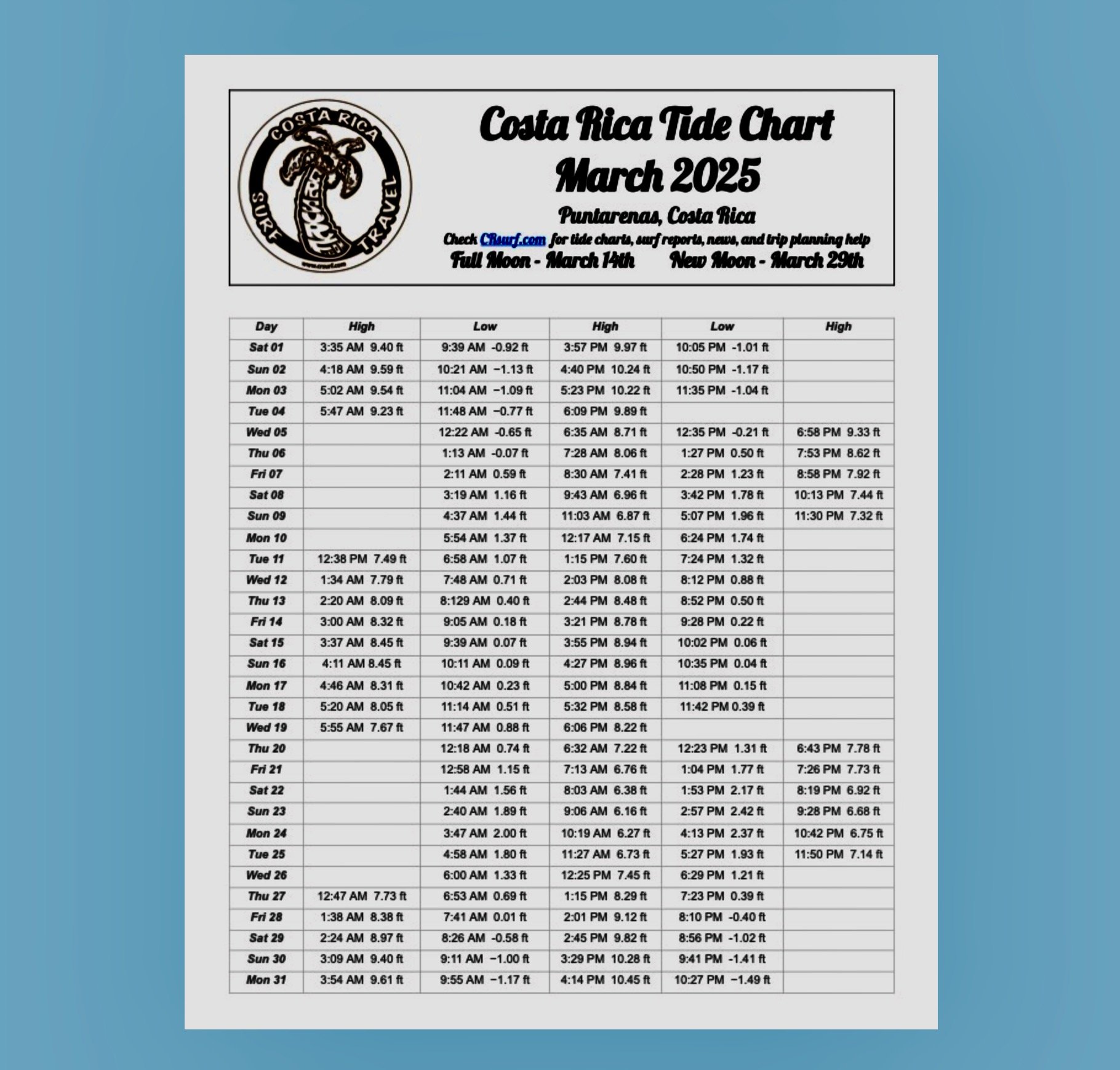
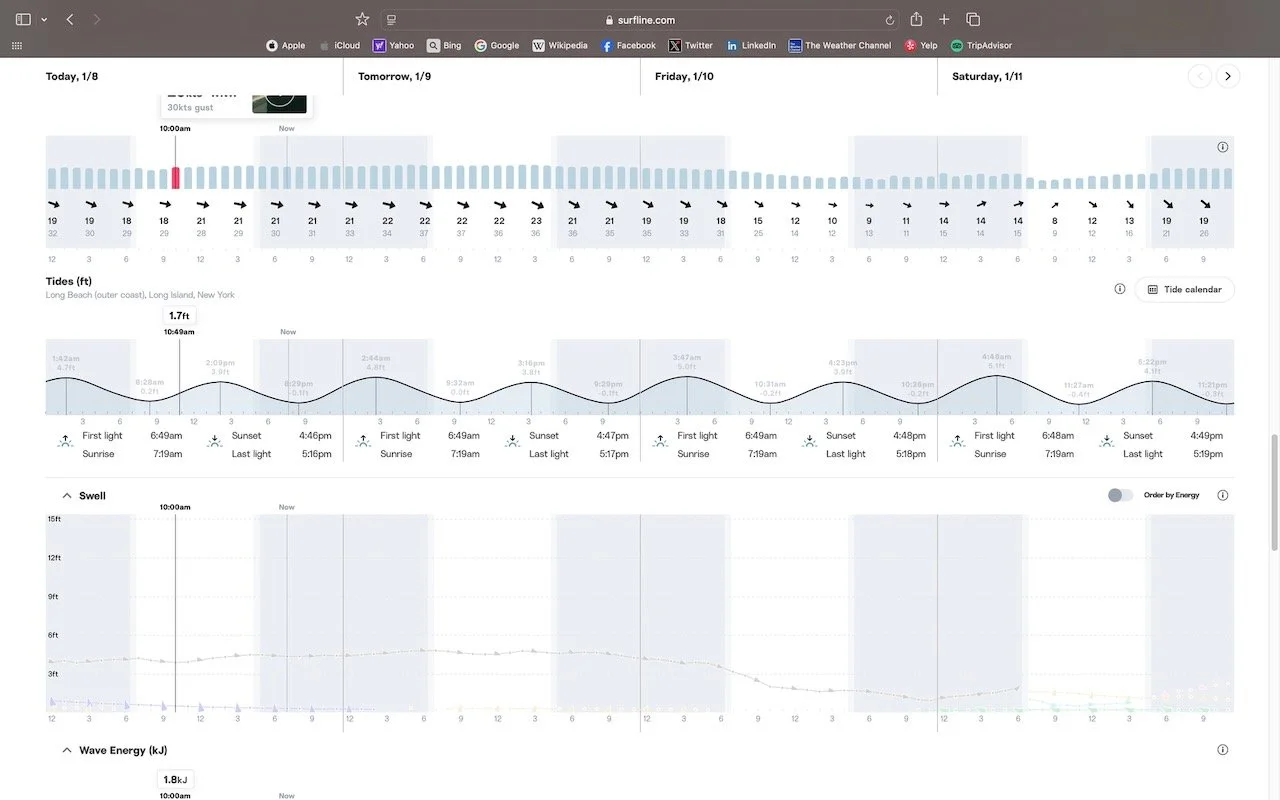
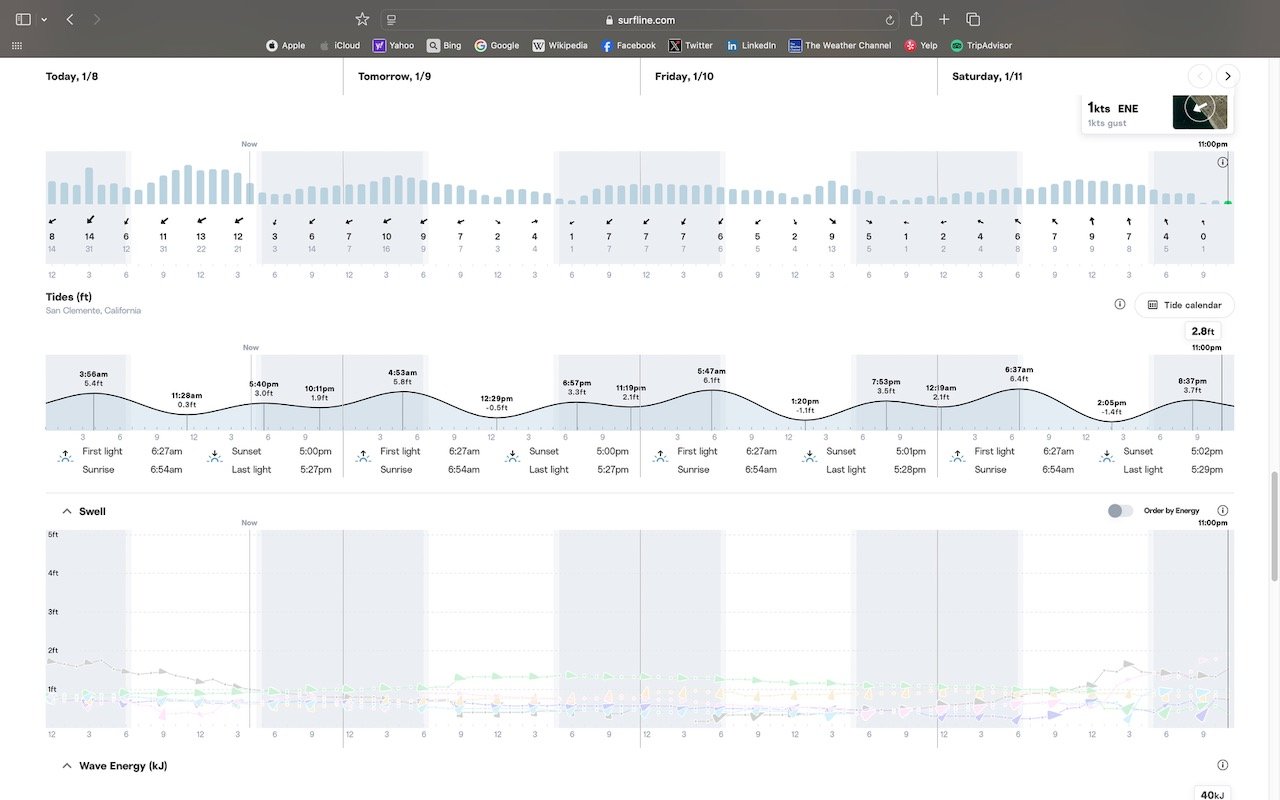
How to read a tide chart
How to access both general and local knowledge about what tides work best at the various breaks in a given area — start with general knowledge via the internet (websites like Surfline.com), but refine that knowledge once you get to your destination by asking locals, pros, and coaches
Determine what kind of bottom you’ll be surfing over. Here are your options:
Beach break — sand w/out jetties
Beach Break — sand w/jetties
Sand point break
Rock reef point break
Rock reef
Coral reef
Cobblestones
Mixture of sand and rock
Mixture of sand and coral
Mixture of sand and cobblestones
Then read my articles: Why Most Surf Forecasts Are Useless For Beginners and Types of Surfing Waves: A Coach’s Guide to Reading What You’re Riding.