
Most surf schools start with pop-up drills on the beach. This feels logical—you need to stand up, so practice standing up. But after 22 years of teaching, I can tell you this approach actually decelerates your learning. The reversal sounds counterintuitive until you understand how surfing was taught successfully for generations before surf schools existed.
The Natural Learning Order
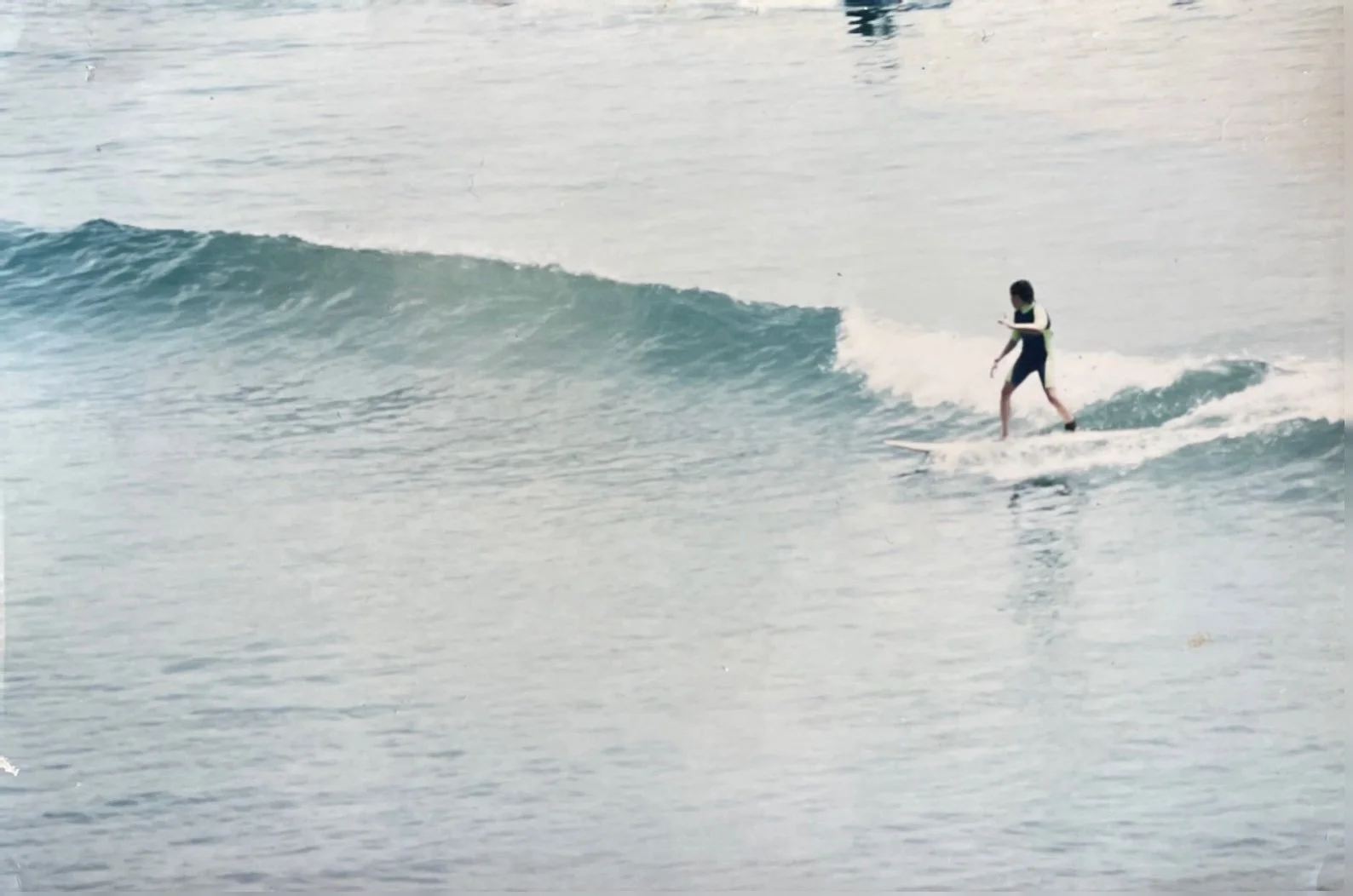
I grew up surfing a heavy beach break in Central California. Before I ever focused on standing up, I learned to observe waves—where they break, how they break, what the patterns are. I learned to paddle with proper form. The pop-up came last, almost as an afterthought, because by then I understood where to be and how to get there.
This is what I call the kinship structure—how kids learn to surf when they grow up around it. Ocean knowledge first, paddling second, standing up third. It's far more effective than any surf school method because it builds skills in the order they actually matter.
Why Reversing the Order Creates Problems
When you start with pop-up drills, you draw attention inward—toward your body, your feet, your arm placement. Meanwhile, the wave is doing something beneath you that you're completely unaware of. This is why so many surf school graduates struggle with looking down the line. They've been trained to look at themselves, not at the ocean.
The three most common beginner mistakes I see—not being patient with the ocean, poor paddling form, and not looking at the wave through the entry—aren't separate issues. They're symptoms of a learning process that's been reversed from its natural order.
How to Apply This
Learn some basic oceanography. A little surf forecasting goes a long way. You can get my Free Forecasting Cheat Sheet right now. That will get you started.
Spend more time watching before paddling out. Even five minutes observing—where waves break, where people catch them, what the rhythm is—beats rushing into the water blind.
Film your paddling. Most people have no idea what they look like. The "corpse paddle"—lower body dragging like dead weight—is epidemic. Fix this and everything else gets easier. Want me to critique your paddling? Consider a Mini Surf Audit.
Train yourself to look down the line, not at your feet. Your body follows your eyes. Staring at your feet means surfing toward the beach. Looking down the line means surfing along the wave.
If you're stuck, stop thinking about the pop-up entirely. Spend your next several sessions focused purely on reading waves and perfecting your paddle. Let the standing happen as a byproduct of better positioning. You may be surprised how quickly things click.
The Takeaway
Surf schools reverse the natural order because "learn to stand up today!" is easier to sell than "learn to patiently observe the ocean." But if you want to actually progress—if you want to feel confident in the lineup instead of perpetually confused—you need to learn in the order that creates competent surfers, not the order that's easiest to market.
Ocean knowledge. Paddling. Then the pop-up. Everything else follows. If you need help, I’m here. Book a consult and let’s go.