
Every surfer eventually encounters someone who screams, threatens, or tries to intimidate others out of the water. These confrontations can rattle you for days—or worse, make you avoid surfing altogether. Here's how to handle aggressive surfers without escalating the situation or abandoning your session.
One of my students recently became the target of a notorious local who directs F-bombs at people in the lineup. My student wasn't doing anything wrong—she was simply surfing in "that person's" territory.
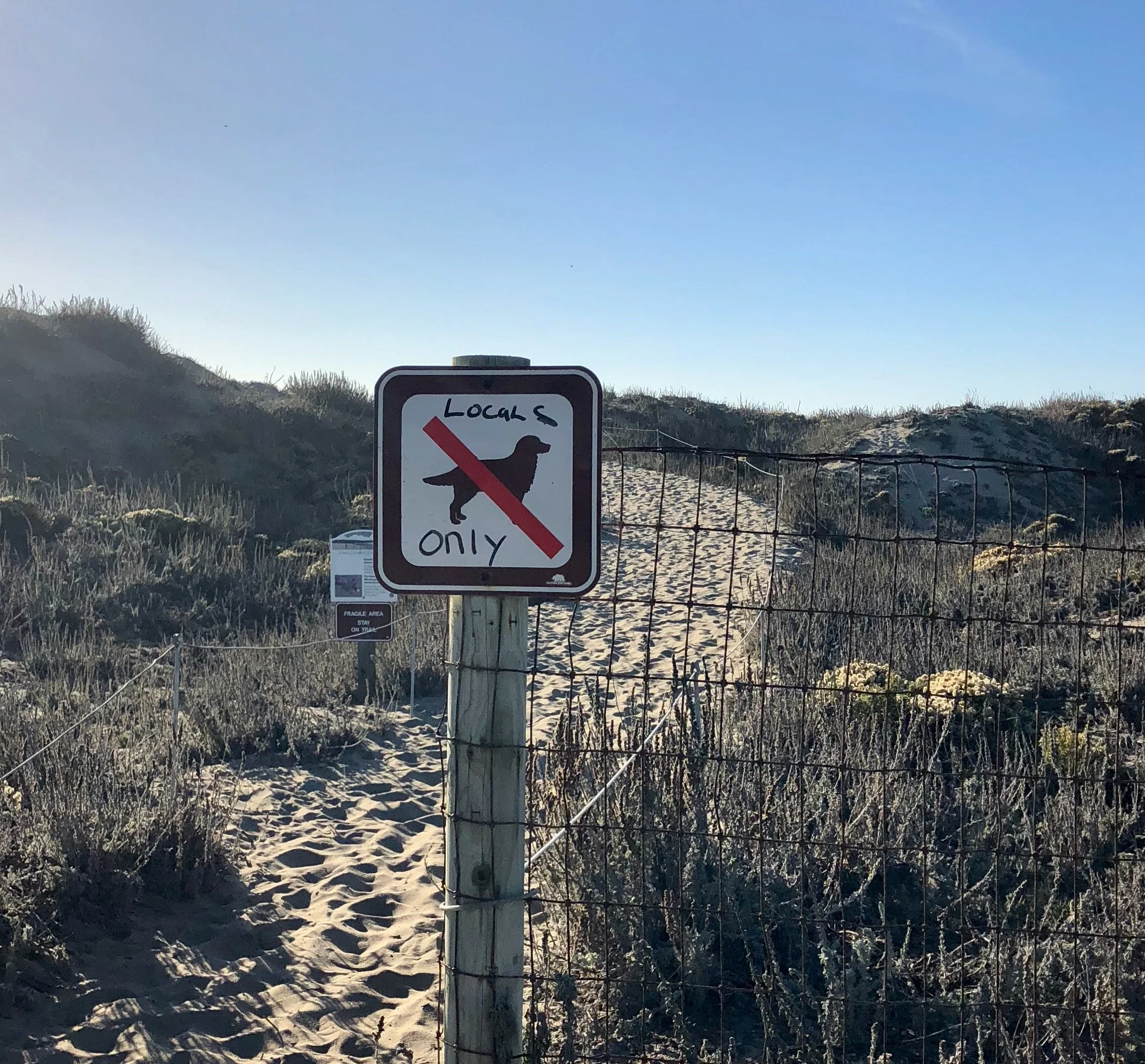
Graffiti like this can alert you to the fact that there will be surf bullies in the lineup.
I've been on the receiving end of similar treatment. Years ago, after watching one surfer repeatedly burn everyone in the lineup, I decided to burn her back. On the wave I took, she had already burned three other people. The irony that I was the one who deserved a drubbing wasn't lost on me.
I don't recommend my response. It didn't help. Fighting fire with fire rarely does in the water.
The Core Strategy: Hold Your Ground
Bullies work by bullying. If you're not bullied by the bully, half their job is gone. They try to scare you, and if you just hold firm and let it pass, you'll be okay. But if you let them intimidate you into leaving or changing your behavior, it confirms their approach works—and they'll keep doing it.
This doesn't mean confrontation. It means continuing to surf as you normally would, following proper etiquette, and not letting someone's aggression end your session prematurely.
Step-by-Step Response
Find your coalition. If someone you know is in the water, tell them what's happening. When my student told her friend what the aggressive surfer was doing, he said, "Oh yeah, she yells at everyone." Just knowing you're not alone—and that the behavior isn't about you specifically—helps.
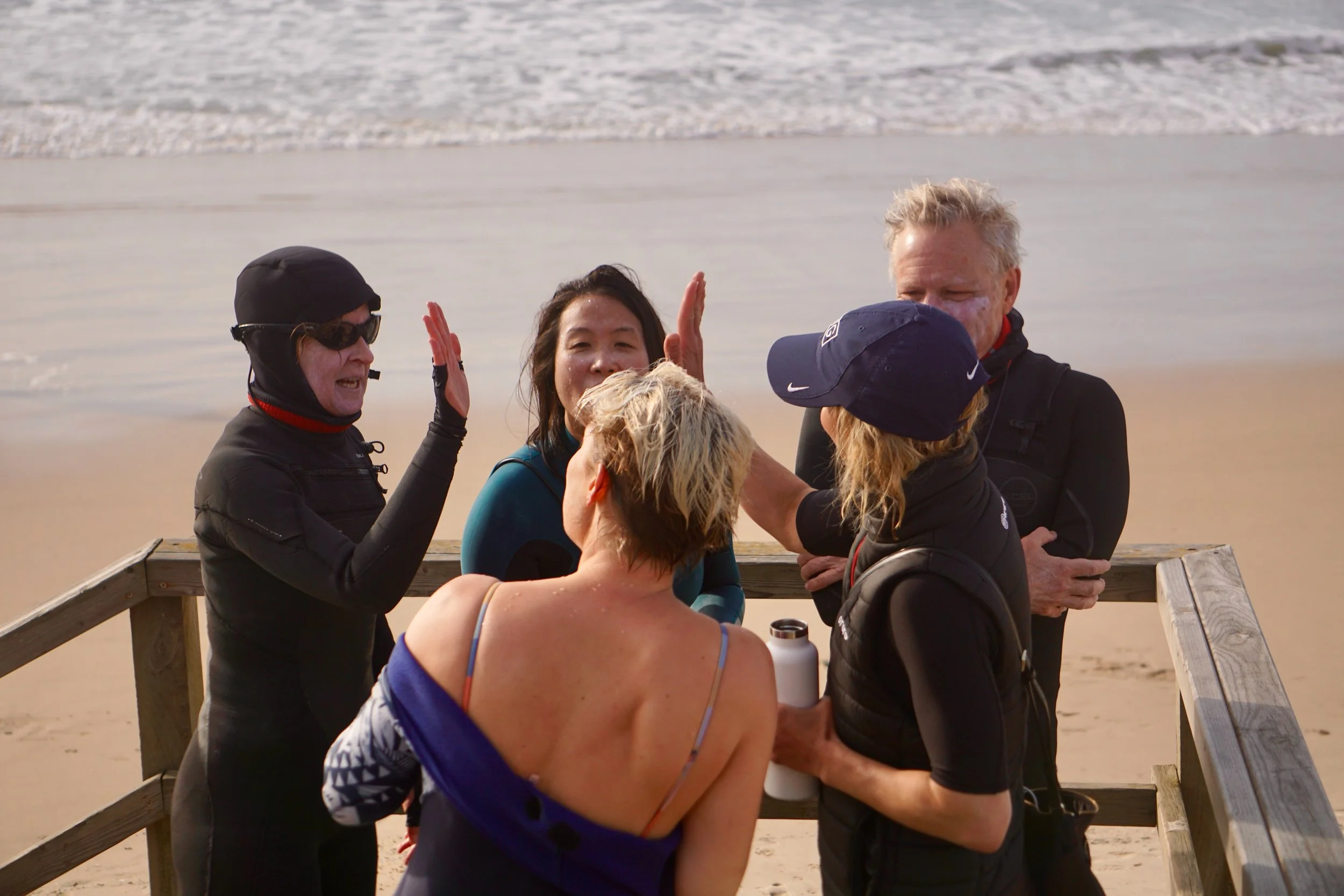
Surf buds are more than just good vibes — they’re your social safety net in the lineup.
Check yourself honestly. Ask someone in your coalition if you genuinely did something wrong. Were you ditching your board in people's faces? Paddling around others without taking turns? If so, acknowledge it, course correct, and keep surfing. You're allowed to make etiquette mistakes—we all do. The difference is whether you learn from them.
Resolve to keep surfing. If you still have energy and desire to catch waves, don't let a bully end your session. Their anger is their problem, not your emergency.
Don't attack back. It's perfectly human to want to tell them to go fuck themselves. But it will be counterproductive. You can vent to your crew afterward. That's healthier.
When Someone Threatens or Assaults You
This is trickier. I have real-world experience here too. Filing complaints or making legal arguments rarely works in surfing and is usually more hassle than it's worth.
What works over time: continuing to surf as you normally do, in the places you normally surf. If you keep showing up, even the worst actors eventually give up. At some point, they'd rather just surf too.
If you're genuinely scared, double down on your coalition. Bring friends. Find allies in the lineup. Power in numbers. I keep a photo of one past assailant on a hard drive titled "In case I need to get a restraining order." Fortunately, just continuing to surf normally made it unnecessary.
Distinguishing Bullies from Bad Days
Not everyone who gets upset in the water is a bully. Sometimes people have legitimate grievances or are just having a bad day.
I get annoyed at people too. What irks me most: surfers who paddle for waves with their heads down, oblivious to others, especially right after missing a wave themselves. Recently I blocked someone doing exactly this. But when I explained—"It's okay, you can calm down, we're all sharing waves, just breathe and take turns"—I wasn't trying to intimidate. I was trying to communicate.
The test: use "I" statements. "Hey, I'm feeling like I pissed you off. Is that the case?" A reasonable person might explain what happened. "Well, you paddled into my path three times." That starts a conversation. But if someone leads with F-bombs and won't engage, they're probably not receptive—and they're most likely a bully.
The Long Game
Aggressive surfers aren't going away. They exist at every break, in every surf culture. The goal isn't to eliminate them—it's to not let them steal your joy.
Inevitably, more people will enjoy surfing with you than won't. It's because of the reasonable majority that you can weather the unreasonable few. Build your coalition. Follow proper etiquette. Keep showing up. The ocean belongs to everyone willing to respect it.