• About
  • Work With Me
  • Blog
  • Trips
  • Resources
  • FAQ
  • Contact
  • Members Only Video Archive
Menu

Conatus Surf Club

Street Address
11692
6466599142
More waves, more joy

Conatus Surf Club

  • About
  • Work With Me
  • Blog
  • Trips
  • Resources
  • FAQ
  • Contact
  • Members Only Video Archive
IMG_3967-1.jpg

Blog

Black Lives Matter

June 11, 2020 Dion Mattison

A bunch of CSC crew and I attended the Memorial Paddle Out for George Floyd in Rockaway on June 6, 2020. It was organized by @black_surfing_rockaway, which is the east coast branch of the Black Surfing Association (BSA) and also by Black Girls Surf. George Floyd’s death has sparked this incredible time of cultural awakening. The surf community came together for paddle outs all over the country and the world on June 5 and June 6. This is the kind of solidarity and future-oriented thinking that the surf community has so desperately needed. The whole event was deeply moving — 1000s of surfers united as a tribe to call for justice or rather a complete overhaul of the legal (in)justice system in America. We are all normally so hell bent on finding our own peak or our own waves that communing with our fellow surfers is difficult. Add to that less trained people dropping in on you and getting in your way on the inside and you have a nasty brew of animosity and surf rage. This event was not about curing surf rage, but I had the feeling that in a way it could be a positive side effect of more events like these. The paddle out showed that we can join in harmony and recognition of our shared humanity.

IMG_3372.JPG

But first and foremost it was about honoring the death of George Floyd and countless other black people in America who have been unjustly killed by the police. I think it may have been the first memorial paddle out (along with the others around the world and nation) for a non surfer. Normally when a surfer dies the surfing community paddles out to sea with flowers and his or her ashes and that’s how the ceremony is held. The surfer’s ashes are distributed back into the sea, a few of the community leaders say some words, and then the surfers celebrate by splashing the water and hooting. I myself would love for my life to be celebrated in this fashion after I am gone. When we return to the sea in this way we are truly going back to where we emerged from in the first place. The sea water in the veins of surfer and non surfer alike connects us all.

It will be interesting to see how this movement and uprising plays out in the world at large. Already cities and counties are discussing and making moves to abolish or radically transform their police forces. Many of the things that police respond to do not require guns or badges — and in many places in the world the everyday police do not carry fire arms. The police in America are trained for combat and they look that way. Their whole presence is defensive and menacing. There were two police boats surveilling the paddle out — you’ll see them in the video — and they felt unnecessary. It was later revealed on Instagram that the boats were there at the behest of Black Surfing Rockaway should there be a medical emergency in the water. But this is precisely the point: even though the intention was good, the execution sent the wrong message simply due to the symbolism and ‘vibe’ of the police boats. It’s also a cynical view of humanity and surfers that we would not be able to rescue a brother or sister who had a stroke in the water — I know I am capable of putting someone on my board and paddling them to shore. In ideal world there would be medics — trained EMTs — waiting peacefully on the beach should such an emergency occur at an event like this.

Pic from the water of the circle of surfers in support of BLM — police boat is off in the distance.

Pic from the water of the circle of surfers in support of BLM — police boat is off in the distance.

It would also have been a different thing altogether if the police had big ‘Black Lives Matter’ banners on the sides of their boats in solidarity. This would have sent a completely different message, and we would not have felt like they were there to quell some kind of uprising in the water.

Surfers have an unspoken code not to get the police involved in any of our water disputes. There have been a few cases where they were in involved — they were called in to respond to the crazy localism at Lunada Bay — and when I lived in SF a body boarder had a restraining order from surfing Fort Point (under the Golden Gate Bridge) for putting someone in a choke hold in the lineup — but for the most part we rely on ourselves to sort out our issues in the water. I do not think we do the best job most of the time — there is a lot of defensive and entitled behavior — and part of my program here at CSC is to endeavor to do better. One thing I have noticed is that one is less likely to commit a surfing ‘crime’ against another surfer if he or she knows their name. This is not always the case — there are bad actors that burn all and sundry — but for the most part it is easier to work out the dispute if you are able to acknowledge the person’s humanity by ‘saying their name’.

I also wanted to write this post to formally acknowledge that CSC supports the BLM movement and everything it stands for. This movement has caused me to honestly and holistically confront my own complicity — as I did in the post below as well — and has helped me see that it is ok to admit that you have played a part in a thoroughly sick system. My goal moving forward is to continue to having these difficult thoughts and conversations and to devise ways that I can contribute to a better (surfing) culture. In the video you may or may not notice that I do not chant along too often — it remains hard for me to shout with a crowd in public — and this is for any cause, even ones I truly believe in, like this one. I don’t have the requisite passion because empathy is a logical, not an emotional, process for me. Given the logic of trying to put yourself in the shoes of others — and this is what so many white people in America need to be doing right now — one can find the reason why one should also raise one’s voice in unison against the cultural institutions that radically underserve black Americans. There is another paddle out on June 20th and I’ll endeavor to join in the chanting then.

Comment

Towards A Critical Surfing Future: A Critical Surf Studies Bibliography Primer

June 5, 2020 Dion Mattison
Required surf history reading.

Required surf history reading.

Welp writing to you from another critical moment in human history. We’re still in a pandemic, but now we also have a new and much needed cultural revolution on our doorsteps, sparked by the public murder of George Floyd by the hands (and knees) of Minneapolis police officers. I stand with the protestors and the Black Lives Matter movement, but I also stand for Mother Earth, women of every shade, Native Americans and other indigenous and colonized peoples, immigrants, and all the poor and oppressed, in whatever forms their oppression takes — in this I count the spiritually oppressed who may have lots of material means but suffer radically from hardness of heart and clouded vision.

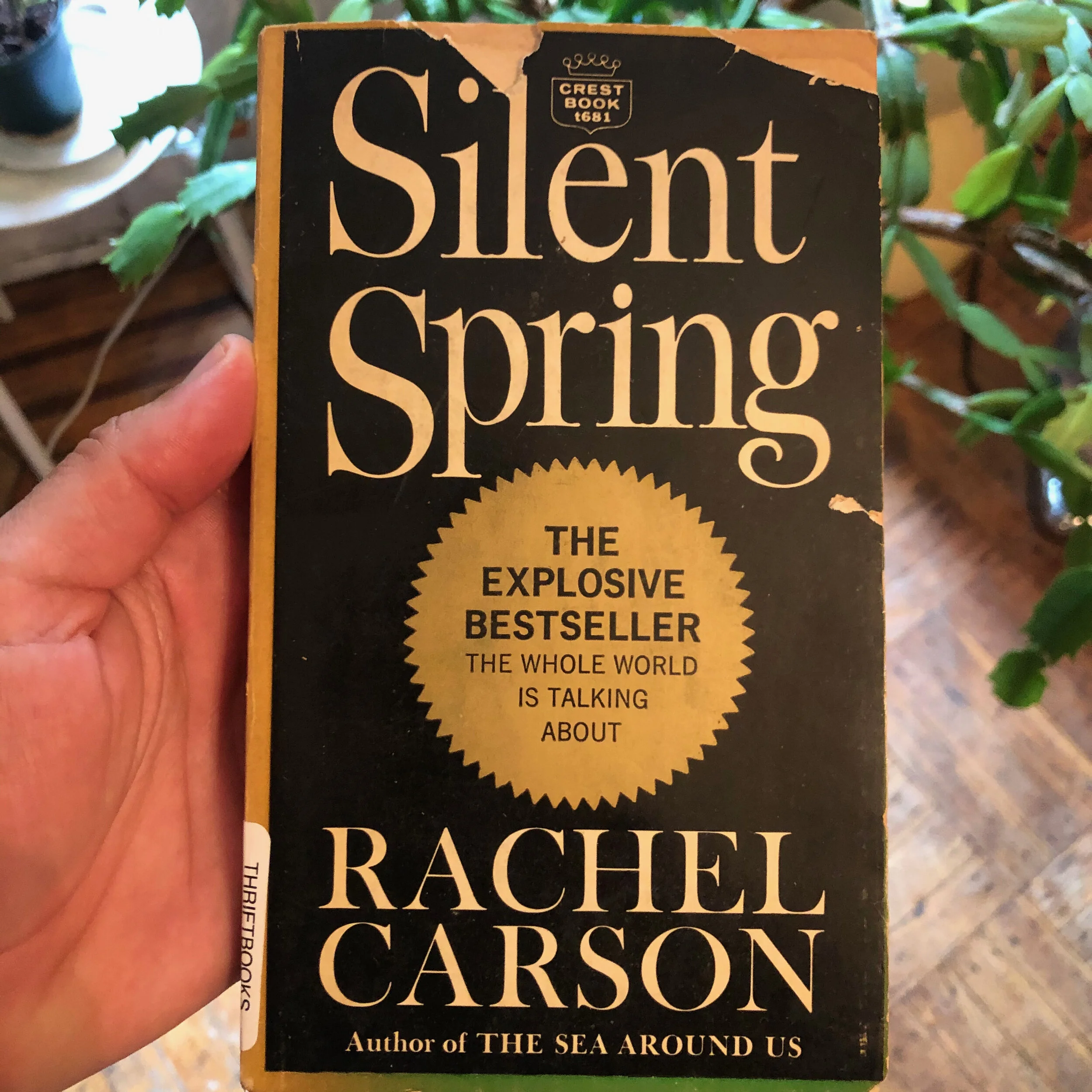
It may seem like a funny segue to talk about some books that I have recently acquired in my surf studies library, but there are a few crucial links. You would think that somebody that surfs so much and cares so much about surfing and has this business based upon surfing education would already have had all these books in his library and would have read through all of them already. I have read a few of them by now, like the above, Waves of Resistance by Isaiah Helekunihi Walker, but a great deal of this stack I have yet to get through completely. Why has it taken me so long to start collecting a surfing library? It’s interesting story, and one that bears on our current moment.

I have realized that I have been defending against surfing and liking surfing for a long time based upon the bad things in the culture I witnessed and experienced growing up in surf culture and have wanted to distance myself from. I watched active and violent racism, misogyny, and xenophobia play out at my local beach. I have seen a surfer whose nickname was ‘White Pride Rich’ kick out his surfboard at black surfer Gary Crocraw. I have heard surfers call one another homophobic slurs and myself have been called a ‘fag’ in a San Francisco lineup, of all places. I have seen surfers throw sticks at Mexican families at the beach where I grew up. I have heard surfers use the ‘n-word’, and words like ‘wetback’ and ‘spic’ as a part of common parlance. I have watched a woman get called ‘cunt’ to her face in the water. I have also not always been an innocent bystander in this culture. Like all young people, I was impressionable and looked up to the guys who were mentoring my fledgling surfing practice. I yelled at people in the water and told them to “Go back to Santa Cruz.”

I also consumed everything I could get my hands on about surf culture. I wanted to signal to everyone that I was a surfer. I wore surf clothing and watched zillions of surf videos a week. I read as many books about surfing that I possibly could. I read every surfing magazine that hit news stands. I was obsessed. But as I started to mature and travel and experience the other side of localism, I began to have misgivings about what I viewed to be the bad parts of the culture. And so in my mid 20s, instead of performing a holistic critique of surfing culture and my role in it, I simply and hastily decided to eschew consuming as many surfing cultural products — books, magazines, videos, clothing, accessories — anything except the hard goods — surfboards, wax, wetsuits, leashes, board bags — that I possibly could. I didn’t just eschew it, but I actively got rid of everything that I already owned that signaled, “I surf.” I made sure I wore logo-less clothing and that there was nary a surfing magazine laying around my apartment. Instead I immersed myself in my studies of religion, philosophy, critical theory, and literature. I still surfed like a lunatic, but in a kind of defiant anti-surfing culture stance.

I say this original critique wasn’t holistic because instead of holding myself accountable for my own complicity in this culture, I simply repressed it and defended against it. If surfing culture had an ethics problem, I was not part of it, or I was going to distance myself from it. I was above it — I could surf and love surfing but do it without engaging in the culture. You can already see the flawed logic here. This is simply bad, unprocessed elitism. It is one of my greatest struggles as a person, one of my my nearest and dearest personality flaws. Even still, even as soon as last week, I got mad at how when I surf an extra amount in a given set of time, I end up feeling stupid or brain dead. I voiced as much in my last newsletter, but ultimately came around to the conclusion that I find myself coming to more often: surfing involves a lot of practical wisdom. If I surf 40 hours a week I have no one to blame but myself for brain cells that I’ve shed. I am also not spending those hours solely focused on my own practice, but am sharing my practical and theoretical know-how of surfing with others. My life’s work has become about creating and fostering an intentional and ethical surfing community.

These kinds of thoughts are more indicative of a holistic critique — a critique that takes into account my relationship to others, to the ways that I have been shaped for the good and the bad by various aspects of surfing culture, and to the fact that I am a better surfer, philosopher, and leader when I examine my traumas, defenses, repressions, and projections as they play out in my words, actions, and well, habits. Forming better habits is, after all, what ethics is all about. Furthermore, as a philosopher, as someone who loves wisdom, and therefore loves truth, I was disavowing a very simple truth about myself: surfing is foundational and central to my identity as a person. This doesn’t mean that I have to wear head-to-toe surf brands, but it also doesn’t mean that I need to be ashamed for wearing them either. At least not ashamed for the fact that they signal that I surf or that I endorse a brand formed in surfing culture. I may have other ethical issues with how that clothing is produced, and I do have a very strong stance about fashion ethics and hold all clothing companies accountable for their exploitative labor practices. It is sad that surfing brands have been on the wrong side of history in this regard more often than not. This thought is also indicative of a holistic critique of surfing culture. Critique is not a dirty word — it’s a hopeful word. Critique is the process of examination that helps us locate practices in our selves and in our institutions that are more and less just, more and less true. It helps us highlight what is worth holding onto and nourishing — like the joy we get when we share waves with our fellow surfing brothers and sisters — and what we need to work to discard or reshape.

Part of the process of my own critique of surfing has been first to embark on this project of writing my philosophy dissertation on surfing (rather than on fashion). In so doing I have had to rebuild my surfing library. How can I have a truly critical attitude and approach to myself and to the culture I’m most active in if I turn my eyes away from the stories others have told about it? The project is coming along well and I hope to be done soon.

Something else that has become evident due to Covid-induced shifts in doing business, is that I can mobilize my love and knowledge of surfing with others not just in the water physically coaching, but also through seminars on oceanography, etiquette, surfing history, and well, what I am starting to realize are ‘critical surf studies’, which is already an academic sub field in Australian universities. I am in the process of brainstorming what a full critical surfing education might look like, including getting better at the physical practice, and how, beyond writing books and blogs, I can make this vision come to fruition. I would love to found or participate in founding an institute where critical surfing theory and practice function hand in hand. I mean CSC is the beginning of this vision, of course. And we’re starting down this theoretical road now with the invention of our book club, which meets for the first time this coming Monday, June 8 to discuss the first two chapters of Tides: The Science and Spirit of the Ocean (2014) by Jonathan White.

Re-reading Tides has already shown me that caring critically about surfing doesn’t mean just caring about surfing culture — it means caring about the ocean and the planet more generally. A part of any critical surfing bibliography, therefore, should also include literature on climate change and ecology. Asking important questions about the relationships between people and people, people and the ocean, the ocean and the universe, and how all of this is connected, is truly inexhaustible, and that’s ok! Of course I’m also interested in these connections from a philosophical and larger scientific perspective, which is why in this future critical surf institute there will be classes on Spinoza, Plato, and Aristotle, as well as classes on subjects like quantum gravity and evolutionary biology. Education is the salvation of humanity. We never flourish more than when we examine self and world with others.

In that spirit, here are some books in my current critical surf studies rotation. I have been boycotting Amazon lately and a lot of these I recently got through Alibris.

IMG_3346.jpeg
IMG_3344.jpeg
IMG_3352.jpeg
IMG_3342.jpeg
IMG_3343.jpeg
IMG_3341.jpeg
IMG_3345.jpeg
IMG_3349.jpeg
IMG_3350.jpeg
IMG_3354.jpeg
IMG_3347.jpeg
IMG_3355.jpeg
IMG_3348.jpeg
Comment

Discovery: TSJ Has A Vimeo Channel!

May 30, 2020 Dion Mattison
Screen Shot 2020-05-30 at 4.52.27 AM.png

Well after surfing and coaching 8 days in a row last week I got stuck behind in my intellectual output. Was cramming to get vids and session invoices to those that I coached and I didn’t have the 12-24 hours required to craft the blog posts that I have been churning out. It’s early Saturday morning and I’m gearing up to go surf, but I wanted to post something. I was thinking about finding and sharing Wayne Lynch footage, but when I started digging a little I realized that that requires a larger post. He’s an important figure in surfing and has some pretty strong views worth giving a more concerted dig into. In search for clips of Wayne, however, I discovered something else: The Surfers Journal has a Vimeo Channel! It is filled with tons of new and archival surfing footage like this competition in Western Australia. I cannot link any of their videos here due to privacy policies, but if you’re looking for inspiration and surfing cultural history in the form of 3-20 minute surf vids, I suggest you head over there before or after your next surf or at-home visualization session and click on anything. The further down you scroll, the better and better the content gets. Like this video Spyder Wills took of Gerry Lopez and Rory Russell at Uluwatu in the 1970s, which starts off with a perfect image of how to paddle a shortboard followed by 7 minutes of perfect trim and tube time.

Screen Shot 2020-05-30 at 5.04.29 AM.png
Screen Shot 2020-05-30 at 5.05.02 AM.png

Many people that I have been working with both at the beach and virtually need as much good surfing content as they can lay their eyes on in order to see what good form looks like. Where are their hands placed? What about their eyes? How do they crouch to get into the tube? What is their stance like when trimming? Sure you can take your surfing by feel, but that won’t account for an effective approach unless you’re some kind of savant like Lynch. Most humans need exemplars to mimic if they are to learn any grammar proficiently, and this channel is full of that, so get over there and start studying!

Comment

Pandemic Surf Diary Entry: May 16 -- Phenomenology of a Self-Coaching Breakthrough

May 22, 2020 Dion Mattison
A view from a  tube on my second session.

A view from a tube on my second session.

On Saturday May 16th I had a personal breakthrough in my surfing. I had not surfed for 12 days. I spent those days writing, doing yoga, administering virtual consults over Zoom, brainstorming, walking my dog, and cooking. In preparation for our May 14 Zoom lesson, I had assigned my student, young Max, to watch Loaded by Dane Reynolds (2014) on YouTube. We spent most of the meeting on board design and did not get to really dig into the video together, but I had the link saved in a tab for watching down the road. I accidentally scrolled over that tab when doing something else and it cut to the video, which somehow had been playing for a few minutes. I paused it in the middle of precise Taylor Knox cutback, did a double take, and decided that I ought to watch the whole thing.

First, however, I re-read my blog post about the pumping surf on May 2 and paid special attention to the sequence Guy Barash shot of me dropping into that gorgeous wave. In the first slide my hands are up in the air. Then I connect with my board, lean on the rail, and sneak into and out of the tube. I was looking at my arms, and asking myself, “Is it normal for a good surfer to do that from time to time? Why are my arms up there and does it have to be that way?” I also ruminated on what my anxiety state is as I enter into waves like that or as I enter into tubing surf. I still get scared. I have that upper stomach fear tickle, which is obviously related to a deep seated fear of death, failure, and injury/suffering. I’m still going to override it, but it’s there causing me to hesitate in tiny ways. The slightest hesitation — can I really stand up under the lip? what if I pearl and ruin the whole wave? — may cause me to get ever so slightly hung up, thus making me air drop down the wave rather than simply tucking up under the hood from the get go. I am aware of this tickle in my upper stomach and the feeling of mixed excitation and dread as a heaving tube beast is headed my way. The anxiety is also a result social and cultural positioning: I want to be a stylish surfer who goes fast with little extra movement. I don’t want to look like one of those people who are riding a board that is too small for them, making jerky motions and bogging rail because they are not distributing speed properly. With this kind of surfing as a negative example, I can err on the too conservative side and not throw caution to the wind. My next move was to watch Loaded with an eye to these thoughts.

Featuring: Dane Reynolds Noa Deane Craig Anderson Taylor Knox Nat Young Andrew Doheny / DROID Warren Smith Taylor Paul Video courtesy of Marine Layer Product...

Loaded is loaded with great surfing by Dane Reynolds, Nat Young, Noa Deane, Taylor Knox, Andrew Doheny, and Craig Anderson (I could be missing one or two others, but this is the main cast). It is filmed in CA, Indonesia, Japan, and Mexico (and again maybe some other places, but they’re not exactly listed). It is a highly consumable length: 20 min. The music and visuals are pleasing. There is not much gender or race equity in terms of the talent presented, but at least Dane omits the formulaic and passe “woman as object” shots that unfortunately are still common in surf content. His touristic shots are also tasteful. One does not get the dirty, exploitative, colonialist feeling that many surf travel films evoke (Taylor Steele’s are particularly bad for this). 

My goal in watching Loaded was to study the drops, paying particular attention to the hands, and to take other notes from the surfing to apply to my own surfing. Here are my takeaways: 

Their arms very infrequently come up above their heads when they drop into waves of any size. Regardless of whether they’re dropping in early or late they keep the hands down at their sides — just lower generally with variations on position — through the drop. This helps cement their feet on their boards and places weight on the rail and fins immediately to lock the board into the face of the wave, allowing them control of what they decide to do vis a vis what the wave is telling them is possible. It is especially helpful for tucking into tubes off the drop frontside. Backside this is less of a problem because one is normally taking off with some kind of rail grab in mind if it’s a tubing wave. But still, one can apply this idea to backside drops as well.

I was reminded that it is important to pull into closeout tubes. Yes, it’s great to make tubes, but it’s spectacular and fun to watch someone pull into a closeout. You get a really nice view, the wipeout isn’t so bad because you just get ejected out the back of the wave, and it’s entertaining for the whole lineup.

Craig Anderson drops in to a good size wave with hands in lower position.

Craig Anderson drops in to a good size wave with hands in lower position.

This allows him to stay compressed to the board and set his rail sooner.

This allows him to stay compressed to the board and set his rail sooner.

I noticed that arms go up in the air on their big air maneuvers. Or any time there is air under the board and it’s threatening to drop out from under you, the arms of a human go up, as the feet reach to grab onto the board for control. As gravity brings you down, you settle in and connect back with the board, absorbing the impact with knees and ankles, then doing whatever comes next whether it’s a bottom turn into the next maneuver or just stalling to kickout.

Noa Deane hands up for the air!

Noa Deane hands up for the air!

The Taylor Knox footage of technical surfing in sizeable Lowers is awesome. His rail surfing is so precise. Riding a thruster allows one to push hard through a long bottom turn with no risk of sliding at the bottom. Most all of them are riding thrusters or three fin set ups. 

There are two minutes they show Taylor Knox trying airs. He can get up there but can’t land. It’s humbling especially for me who also suffers from something similar. And to be honest my attempts are not even as good as Knox’s. It makes sense to try this stuff out and figure out the techniques and limits. Some of us are not innately air surfers, but we may pull the off one over time. It takes a lot of willingness to wipe out to get it right.

Taylor Knox precision and aggression on the rail riding a thruster at Lower Trestles.

Taylor Knox precision and aggression on the rail riding a thruster at Lower Trestles.

I enjoyed watching how aggressive Dane, Taylor, Craig, et. al. are with their turns. I made a vow to be more aggressive in mine. I had also studied an instagram post by Ace Buchan of a roundhouse cutback with a vertical backside hit. I have always struggled to get the board up to the lip vertically on the rebound. My right (front) shoulder is really tight so it’s hard for me to open up sometimes. It was a goal for me in addition to being more aggressive to get that nose up there. I also wanted to focus on not focusing on not falling. Go hard and fall if that’s what happens.

Pro surfers get burned by oblivious kooks too. Me, I would not think twice about going on a wave Dane Reynolds or Taylor Knox are already up and riding, but then I know to look back to the peak before taking off. If someone is coming down the line, and even more so if that someone is a super fast, precise, and exciting surfer to watch, then I’m backing out immediately. While it is always frustrating to be burned, it’s great to see that we all go through it, and I love that Dane keeps it in the vids. 

Dane Reynolds getting burned by an oblivious surfer. Dane’s body language says everything here.

Dane Reynolds getting burned by an oblivious surfer. Dane’s body language says everything here.

With all of these things in mind, but especially with the notion to keep my hands down when dropping in on tubing ones, I went surfing. The waves were quite good. I paddled out at 630a. I decided on the jetty  where the waves looked more vertical, which was less crowded, and there were a variety of take off points should crowds descend. Slow paddle out. I did not bring the Go Pro for my first session. I wasn’t wearing gloves — it was fine! I wore the hooded Isurus 3mm suit with 7mm Xcel boots, and was riding the 5’4” Lost RNF I just picked up from ding repair. I chose to ride it with twin keels rather than a quad. I want to say that it was as soon as my first wave I put my intention into action: under the lip, go full confidence, keep hands down. Tube. Then tube. Then tube. I was taking off deeper than I normally do and had a lot higher make ratio than normal. Granted, these waves were only head high, and I’ll have to try this strategy out when I’m a little more scared. But still, there were some that I would have gotten hung up on before that I was making just fine. My mind was a little blown. 

I was turning more aggressively. I fell back on some fin wafts on the end section, but I did my damnedest to push hard. I was still suffering from some residual stiffness in my right hip (yoga is helping), so I had to take back some parts of my aggressivity vow on certain turns. Also I realized that the twin fin was not going to allow quite the same torque as a standard thruster would. I found myself desiring a “normal” shortboard with three fins for the hold and pivot that back fin provides, and actually texted Charles Mencel after my first session and got him to start shaping me one. 

I went in from my first session at 8:05a after about I don’t know 10-20 tubes, and no hands up in the air take offs. I ate two pieces of apple cake and finished my coffee. I also drank water and took two Advil for my hip. I geared up the Go Pro in preparation for my next session coaching Zac. I was satisfied by my first surf so I vowed to be mostly focused on Zac and just go for sets that came right to me. It just so happened that I got into a rhythm. Zac had a great surf for not having surfed since December. He’s a trooper. We kept fighting the rip as it took people down the beach and this kept carving out a place in the lineup we could sit alone. He had more patience than he normally does, but was noticeably getting winded from his dormant surfing muscles being newly activated. I got at least 5 or 6 more tubes and did some turns that felt fantastic, hooking one cutback rebound wonderfully with nose up at the white water. I also pulled into a closeout tube intentionally. Feels great to nail more than one goal in a session!

Zac and I surfed until about 10:40a. Then I came in, changed, and sat in my van eating a tuna fish sandwich and drinking water. An old man walked past me — my van door was open — towards the beach and then he quickly went back the other way. Then he comes back again, this time wearing a blue surgical mask. He sees me and says, “I forgot my mask. You have to wear a mask. You can’t forget it. My doctor didn’t wear his mask and now he’s dead.” This is truly surfing in Corona times. I felt self conscious that I wasn’t wearing mine, so just after he walked off I shut my van door and continued to eat my sandwich. A large man wearing his mask around his neck, i.e., not really wearing his mask, passed by my window and coughed. I had shut the door just in time.

Liz showed up at 10:45. I spent some time on the beach with my mask, sun hat, and camera and talked to Liz about the lineup. Zac paddled back out and I got a little bit of video and some stills. Time to head back out. I was done ripping shredding, so I brought my 6’7” Kidman. The waves were petering out for it to be fun for me, but still too big for it to be manageable for Liz. She managed one at the end of her session, and we made the call to just keep getting her the water to get her paddling muscles back in gear. 

Masked at the beach in NY.

Masked at the beach in NY.

This experience shows me in my own surfing is that most of the great achievements accomplished in the water were prepared for on land. There is seriously no amount of visualization and learning on land that can possibly be enough. Part of everyone’s froth to get in the water as the sole place to figure it out is slightly misguided. It is an incomplete notion of what surfing is and what constitutes learning to surf and becoming a proficient surfer. This is why I’m trying to push all of my clients and future-clients, and urging you dear reader, to carve out some time to study surfing when they are not surfing. Improving your land game is an essential part of improving your water game. There is no way around it. 2-4 hours in the water per week ain’t gonna cut it. If you add 2-4 hours of studying surfing at home to the 2-4 that you spend in the water, you will see results. Double the hours for both and you’ll get even more bang for your buck. Simply put, in order to become masterful at surfing you have to study surfing. There are infinity ways I can vary my experience and tweaks I can make to improve, whether its in equipment, technique, or attitude. Surfing is like a calculus that involves all multiple variables in a variety of dimensions. It’s a quantum calculus. 

In closing I want to draw your attention to the Vimeo I made linked above to announce that I have figured out how to do voiceovers! This is another huge breakthrough that should help everyone who follows me and works with me personally. Expect voiceovers on most videos that I drop in the future.

Comment

CSC Profile: Kevin Roberts

May 13, 2020 Dion Mattison
Kevin just finished with a session in pumping Costa Rican surf, May 2019.

Kevin just finished with a session in pumping Costa Rican surf, May 2019.

Coming at you with another CSC profile! This month it’s Kevin Roberts. Kev started working with us in January 2019 and has come miles in his surfing since then. Instead of writing more, I’ll just cut to the interview and let Kevin tell you his surfing story in his own words.

D: Where are you from? What was growing up there like? 

K: I spent my early years in Queens, NY. My family moved to Wantagh, on the south shore of LI when I was about 8. I didn’t think so at the time, but Wantagh was a pretty rad place to grow up. It is on the bay so I was able to ride my bike to go fishing and swimming during the summer. It’s also about a 7 minute drive to Jones beach. My dad got me into fishing at a really young age, so I developed a relationship with the ocean early on. 

D: What do you do for a living? How is your schedule for surfing? 

K: I‘m currently employed by NYC Department of Sanitation as a stationary engineer. I’ve worked all sorts of weird shifts. Now, they have me on a 6am-2pm schedule. I miss out on dawn patrol during the week, but if conditions are right, after work sessions are what it’s all about. I find the crowds to generally be thin at that time as well. Oh, and weekend dawn patrol too since I’m so used to waking up at 430 am. No one else likes to get up early on their days off. 

Showing Kevin how to lean into right hip to go down the line in prone position before our second session in NJ, January 2019.

Showing Kevin how to lean into right hip to go down the line in prone position before our second session in NJ, January 2019.

D: How long have you been surfing? Why did you get into it?

K: I’ve been surfing for about 3 years. Growing up not too far from the beach, I had some friends that surfed. I always had an interest but it wasn't until later in life that I decided to finally try. I was taught to ski at a pretty young age, which eventually transitioned to snowboarding. Surf and snow culture are very similar. Without surfing, there is no snowboarding. I think that is what really drew me to it. 

D: What lead you to CSC/how did you find out about me/us? 

K: So when I first started learning to surf I had been taking lessons with a traditional “push you into a wave” surf school. I had moved to Rockaway with my then girlfriend to be closer to the ocean. Even though we were living at the beach, my surfing was not progressing at all. I really didn’t want to be pushed into waves and I found myself becoming continually frustrated. I had read a New York Times article that Conatus was featured in, and decided to do a little bit of Instagram stalking. The content that you were posting really stood out to me, and I decided to eventually reach out. 

D: What were some of the big surprises you had when you first started working with me? 

K: I was surprised by a few things really. You were able to recognize what I was doing wrong on the most basic level and were able to effectively communicate how to fix those problems. Also, I realized quickly that this was much more than just a surf lesson. It was like full on immersion into a new language. 

D: What has surfing progress been like for you? What are some things that came easier for you to apply more quickly and what are some that you're still struggling with?

Kev in the front, me behind, January 2019.

Kev in the front, me behind, January 2019.

K: Since I’ve been surfing with you, I’ve had good sessions and bad sessions but progress has definitely been on an incline. I feel that reading the ocean has come a bit easier to me. Which wave is a right, left, avoiding closeouts, etc. As far as struggles go, the best example I can think of is my tendency to pop up into a parallel stance. It's earned me the nickname “the frog prince”, as I look like a frog riding a surfboard. The frog prince is almost dead, but on the occasional NJ right he will make an appearance. As a goofy foot surfer, I still have less confidence going right.  

D: What have you been doing during this whole Corona Virus outbreak? Where was your last session? How have you been coping with less surfing? 

K: As an essential employee, I am still going into work everyday, fully clad in PPE. We’ve been staying with family in NJ as our Brooklyn apartment is the size of a walk-in closet and we have a large, drooling dog. My last session was in Asbury Park, NJ. Not surfing as much has been difficult. I am totally prone to aggravation and feeling generally down when I’m not surfing as often as I'd like. I've been able to supplement not surfing with fly fishing locally and tying flies. It helps with the mental health aspect. I continue to check surf reports, buoy data, and winds, everyday. I do this even if I know that I cant surf. Watching an old surf flick here and there and reading surf books helps as well. I have old Surfers Journal mags that I love flipping through. I recently revisited all of our session videos from the beginning. That was interesting to say the least. 

This video is about My Movie

D: What's your plan for when we ease up on lockdown? How do you see yourself transitioning back to more surfing? 

K: Ideally, I’d like to be able to travel a bit farther again once things start to ease up. My honeymoon to Hawaii was cancelled due to the pandemic so I'm definitely chomping at the bit. I’d love to get back up to New England. However, I think the responsible thing to do for a while is to just stay local. Get more time in the water as close as possible to home. I think easing into surfing home breaks more often is the best course of action. 

D: Tell us about your quiver. What size of boards do you have and what kinds of waves you plan to surf them on?

K: I am currently surfing 3 boards.  A 7’8” CSC/ Barahona, an 8’6” CSC/ Barahona, and a 9’4” Harbour log. I surf the 7'8” on days where there's a bit more size or energy in the water. It's also better for sticking drops on steeper waves. My 8'6” is my go to board on most days. Plenty of float for weaker wind swell which is the norm here at home. I really love that board. My 9'4” is my summer wave board, perfect for small mushy waves. I think that board would really shine at a long point break. 

Kev’s quiver from left to right: 9’4” Harbour, 8’6” CSC x Barahona, 7’8” CSC x Barahona.

Kev’s quiver from left to right: 9’4” Harbour, 8’6” CSC x Barahona, 7’8” CSC x Barahona.

D: What are some of your goals for your surfing?

K: My main goal is to just surf confidently with style and grace. To surf with respect for the ocean and fellow surfers. I think that’s what drew me to CSC in the first place. I think better forecasting is important too, I am going to make it a point to attend the next zoom class. Making it out of a tube one day would be pretty great as well. 

D: Favorite memories of waves you've ridden or aha moments in your surfing?

K: There have been quite a few over the passed year and a half or so. Two that stand out are from our CSC retreat last year in Costa Rica. I think it was day three at about 5am, and on the drive to the beach you were describing to me how I need to take more time during my pop ups. Up until that point, I had been rushing to get to my feet. For some reason it just clicked for me that morning, and my pop up drastically improved. A few days later, I pulled into a few closeout barrels at Dominical. Even though they were closeouts, I’ll never forget the view. 

Screen Shot 2019-04-28 at 2.55.54 PM.jpeg
Said Dominical closeouts. We could have surfed an easier wave this morning, but we knew Kev was game for some of his first tube visions.

Said Dominical closeouts. We could have surfed an easier wave this morning, but we knew Kev was game for some of his first tube visions.

D: Any tips for people starting out or plateauing in their practice? 

K: I think fear is a huge factor that can hold us back. The ocean is so powerful and dynamic. I think it’s super important to safely push yourself. We all take an ass beating out there sometimes. Taking a few waves on the head makes you realize that you aren’t made of glass.  Also, surf on days when conditions aren’t ideal. Struggling in shitty conditions will make the perfect days easier. 

D: Love it. Favorite surf movies or websites?

K: Oh man, some that pop out in my mind are Morning of the Earth, The Endless Summer, North of Nowhere, Under an Arctic Sky, Psychic Migrations. The new Pilgrim film Self Discovery for Social Survival is really good too — I love the music. For websites I like Matt Warshaw's Encyclopedia of Surfing, NOAA, windy.com, and Surfline. 

D: What does an ideal surf day post pandemic look like for you? Do you go out to eat after your session or are you still going to be cautious and bring snacks, etc?

K: I'm thinking maybe a clean sleeper session in Long Beach, so much better than the hyped up days where everyone shows up. I'll bring my own coffee but a much needed stop at Dough Hut after is in order!

D: Yes! Can’t beat the Dough Hut! Thanks Kevin!

See below for some of Kevin’s session vids including the full length edit from Costa Rica. If you want to see more vids of any CSCer just type their name into the search mechanism on our Vimeo Channel.

This video is about Kevin NJ March 16 2019
This video is about Rock Apr 13 2019
This video is about Kevin Roberts CR 2019
This video is about NY Feb 25 2020
Comment

Pandemic Surf Diary Entry: May 2nd

May 6, 2020 Dion Mattison
A-frame set waves rolling through around 9a on Saturday, May 1. Pic: Dion Mattison

A-frame set waves rolling through around 9a on Saturday, May 1. Pic: Dion Mattison

Depeche Mode was on the money when they wrote the song ‘Blasphemous Rumours’, the chorus of which goes, “I don’t want to start any blasphemous rumours, but I think that God’s got a sick sense of humour, and when I die I expect to find him laughing.” God or Nature’s sick sense of humor is playing out right now as the onset of the pandemic has coincided with some of the best surf NY has ever seen this time of year. And while the surfing state of CA bars many surfers from doing what they most love, the least likely state and the epicenter of the outbreak, lets its people go surfing. There are some mysteries we will never be able to penetrate.

I saw this swell come up on the buoys while doing a private surf forecasting session with Nate Hageman on Thursday, April 30th. We looked at a bunch of wind models and none of them agreed with one another. Friday, May 1, looked to be the biggest day of the swell, and I saw on some charts that it would even be light offshore from the NE in the morning, turning light SW through the middle of the day, and then swinging WNW by sundown. Saturday, May 2nd had all the makings of an epic day — plenty of left over swell and favorable offshore winds. I knew I was surfing Saturday, but wanted to see if maybe I might find something under the radar on Friday. I figured most people would target the Friday evening session, so I opted for the morning. I arrived at 7a and it was indeed light offshore, but the surf was raw and stormy and honestly it looked quite scary. I saw a few tubes and knew deep down that I have the ability and equipment to get out there and find a few, but not a soul was around, and I felt off about it. The risk-reward math was not computing. I hung out in the van, ate some muesli and yogurt, did some emails, and kept popping out to check and see if it had magically cleaned up. Evan arrived around 10a after the tide started coming in. I decided to give it a go around 11a. Paddled out. Realized my board was too small and the rip was insanely heavy. Caught one wave. Went in. Not feeling it. Watched a few guys out around 1230p getting yanked down the beach. I decided to save myself for Saturday and left around 1p.

May 1 — the day before — was raw and unruly. Pic: Dion Mattison

May 1 — the day before — was raw and unruly. Pic: Dion Mattison

On Saturday I arrived at 515a and checked my old reliable which has seen an uptick in human traffic since the onset of the pandemic. It looked about head high to a few feet over head and focused on the middle of the beach with A-frame teepee sets coming through every 2-4 minutes or so. The Long Island Buoy was reading 8ft @ 12 seconds from the SSE — still TONS of swell leftover from day before — more than expected and definitely way more than Surfline was calling — this swell looked to be outperforming the forecast. For this reason I texted everyone I had planned to coach that day and called off coaching. I have learned plenty now that I cannot concentrate on students when it’s 6-8ft and throttling. I think it’s good for them to come out to the beach and watch — even in some cases paddle out and look into tubes from the shoulder — but in terms of really giving the proper attention required I cannot do it. I move too much and too quickly when the conditions are heavy — always trying to optimally position myself to be as steep and deep as I can possibly be. I can coach in somewhat challenging conditions, but it has to be within reason for the person’s ability level and my ability to both focus on filling my wave bank and theirs. I also do not want to put people in dangerous situations where they might get hurt or hurt others. This is simply irresponsible. I hold to my line that if you cannot “dominate” in 2-3 foot surf, then it’s probably better to sit out the 6-8 foot days. By this I do not mean don’t go to the beach. Do go. But instead of throwing yourself into the melee spend time reading the waves and lineup. Figure out who’s succeeding and who’s not and why. Try to anticipate what waves will do and notice things like how a certain (good) surfer positions him or herself to make the most of them. Next big swell I will make more clear instructions for how to watch, where to watch from, and what to watch for. There is a lot to learn on these days, especially by watching me navigate the lineup, so I want to provide “free clinics” for people to be able to do that. In lieu of not having done that, I’m writing this blog post, so you can have an insight into my thought process and experience — this is a form of phenomenology.

First light on May 2nd. Pic: Dion Mattison

First light on May 2nd. Pic: Dion Mattison

At first light there was one guy out and he was going right, so it was basically empty. I checked one other spot to compare — too many closeouts and smaller — and turned right around, went back to old faithful, and suited up in the van. First kit was the Ripcurl Heat Seeker 3/2, 7mm Xcel round toe boots, 7mm Ripcurl mittens, and a 3mm pull over Xcel hood. Idea: warm but flexible. I chose to ride my 6’6” Mencel 4-channel twin-pin. Even though the surf didn’t look too big I saw that there was a lot of water moving about, and that there were some tubes to be had if you could get in deep and early enough, which for me is easier when I have extra foam under my chest. I learned this lesson well from living 10 years at Ocean Beach in San Francisco — there is usually so much water moving out there that you’re always better off with a little extra foam.

The Mencel board feels incredible under my arm. Perfect amount of weight — not too light — for pushing me down and through the cresting lip in offshore conditions with waves that pull water vertically up off a shallow bottom and thus suck up and pitch out quickly. If we are talking about the theme of access, one does learn over time what kind of equipment best enables one to access different wave-riding situations. This of course, like everything else in surfing, depends on many variables — weight, fitness, confidence, wingspan, aesthetic proclivities, etc.

The paddle out was a piece of cake. I think maybe one duck dive did the trick. Then I caught a small one off the jetty to help move me to the middle of the beach. It was still pre-sunrise so the wave had a purplish hue on it. Then I caught one in the middle — a shallow tube. My third wave was one of the best I had all day. I was behind the peak when I took off and knew that it was going to fold over me nicely. The wave almost looked like a closeout. The lip started pitching out far in front of me — the face was vertical and round — I had a slight fear that I would be lit up inside, but I remember saying to myself, “No Dion, this is one of those ones you see the pros get, you are in a perfect position” — I held onto the face, dropped my butt towards my heel, and let the lip throw over and encapsulate me. One, two, three, four, it stayed open and I came shooting out. Joy. Soon after that I was joined by 2-4 other surfers. One was Nick Langelotti, a physical therapist who I have coached before. Nick has been on it recently. He’s been riding a 6’9” Campbell Brothers bonzer. He was on a 5’10” fish a lot when we first started working together, but I convinced him to use more foam for ease of entry and for down the line flow. It’s definitely working for him. Saw him make some gorgeous drops and cruise down the line smoothly. He said he saw my two first tubes as he was running down the beach. Always nice to get a bit of acknowledgement and confirmation! Shortly after Nick paddled out I took off on a bigger set and air dropped down the face. I thought for sure I was going to crash but somehow that 6’6” Mencel held on for me. I was relieved. I don’t mind wiping out, but I’d prefer not to if I can avoid it.

Setting up a section during the first session. Pic: Guy Barash

Setting up a section during the first session. Pic: Guy Barash

As the morning grinded on it became ever more crowded, but I was in such a rhythm with the ocean that it really did not affect me too much. I would catch a wave and get caught on the inside and while I was in there I would pay attention to the unridden waves that were crashing on my head — trying to understand how they came in and what they looked like so that when I made it back out I could pick the most barreling ones that were slipping under people’s noses. I saw a lot of people take off on the more obvious waves that were easier to make, but these did not offer a tube. Alternatively I saw others sending it on tubing waves but they were just out of position or on the wrong equipment — a lot of people riding boards a little too small — or they dropped down the wave and did not cut in mid face to get under the lip in time. In surfing culture we fondly refer to this as “barrel dodging”. We all do it from time to time out of fear or ignorance or because the wave does some funky thing and will not let us set the right line to duck under the lip. In fast, down the line tubes, it is important not to go too far down to the bottom of the wave because it could race off without you inside of it. I was having thoughts like these while duck diving or running up the beach — intensely trying to see the waves that offered the most room inside of them and that were going uncontested. In the water I was looking for the wave to stretch out and almost look like a closeout. I didn’t want to see a steep taper because that would mean there was no barrel on offer. The waves I wanted were also not set waves, nor were they inside waves. They were medium waves that were a little inside, hitting the shallowest part of the sand bar. I learned that I wanted these kinds of waves by watching surf contests and surf videos in the 1990s and 00s. Taj Burrow was a surfer that I always noticed was on these medium sized throaty waves, so after watching some of his videos I learned where to sit and what to go for.

One of the most memorable waves of my first session was a medium one that started to break about 20 feet inside of the pack. I took off deep, slid under the lip and leaned back — thinking of a tube move Juan Heredia does — to lengthen my time inside. It rifled across the inside with me inside of it. I came out clean near the jetty and two dudes were clapping for me. My smile must have been almost splitting my ears apart. I had a few more like this — not quite as deep — and a few that I made it inside but did not emerge from the end. Around 830a I noticed that I felt parched and a little sore. It was getting ever more crowded. I caught one more wave — sequence below — and went in to hydrate, fuel, and warm up.

DSC_2315.jpeg
DSC_2316.jpeg
DSC_2317.jpeg
DSC_2319.jpeg
DSC_2321.jpeg
DSC_2322.jpeg
DSC_2323.jpeg
DSC_2326.jpeg
Sequence of my last wave from drop to tube to turn. Believe it or not this was one of my shallower tubes of the day. I’ll take it. Decided to go w/out Go Pro just cuz. Had regrets until I saw this guy on the beach with the camera. Got his digits fro…

Sequence of my last wave from drop to tube to turn. Believe it or not this was one of my shallower tubes of the day. I’ll take it. Decided to go w/out Go Pro just cuz. Had regrets until I saw this guy on the beach with the camera. Got his digits from 10 ft away between sessions. Thanks Guy! Pics: Guy Barash

The van has been a game changer in the life of CSC and is even more so during Covid-19. I can go inside there, away from the world, and I can stand fully up, change in and out of my wetsuits, check my texts and emails, get my fold out table and make food and even edit footage. I always have a rechargeable battery with a 12 hour life for all the electronics, and 6 gallons of water for rinsing the suits and staying hydrated. On this day because I saw the potential for lots of surfing I made sure to bring a ton of food. As my last post and newsletters attest, Sophia and I have been cooking up a storm at home. On this day I had brought lemon pudding cake, beans and rice with roasted squash, and a few slices of homemade olive bread with a small tub of butter. I keep a bin of silverware and camping dishes under the passenger seat.

When I went in after my first session the intention was to just refuel and paddle back out, but as soon as I got in I felt a cold chill in my body and knew that I was so depleted that I needed to change into dry clothing, and so I did. Then I drank at least 4 cups of water. I figured that it was best to do the sugariest food first, and since I still had coffee left over from my morning drive, I went with coffee and lemon pudding for breakfast. It was highly caloric and light at the same time. The lemon zinged my tastebuds, the sugar and caffeine pulsed through my veins — after getting tubed all morning this was exponential aesthetic pleasure.

IMG_2569.jpeg
IMG_2572.jpeg

When I was warm enough I went up to the boardwalk and took some photos with my Sony Alpha and watched the lineup. The first spot I was surfing had gotten chaotic — there were at least 30 people out. The waves were really consistent and there seemed to be a decent flow, but I noticed that the one next door was empty. There was what looked like a rip going through the lineup, however, underneath the rip these freight train tubes were coming through with no one on them. A few people were trying their hand but getting sucked down the beach or thrown over the falls. I did not see a successful ride, but I saw the potential for them. Soon after I made this judgment the lineup cleared out. I decided, “That’s it, I’m going out there. I can get into those waves and I’ll sit under that rip. I’ll take my time suiting up and paddling out.” And so I went back to the van, drank a lot more water, and slowly put on my second kit: a 4/3 Rip Curl Dawn Patrol, Xcel PolyPro hooded vest, 7mm Ripcurl boots, and 7mm Ripcurl mittens. Still opted for the 6’6” Mencel. It had not gotten less intense, and with the tide now pushing in I expected there would be some macking sets.

DSC03656.jpeg
DSC03658.jpeg
An empty slab rolls through the jetty next door while something that looks like a Corona Virus memorial occurs in the foreground. This picture epitomizes the heaviness of our current reality. Sequence: Dion Mattison

An empty slab rolls through the jetty next door while something that looks like a Corona Virus memorial occurs in the foreground. This picture epitomizes the heaviness of our current reality. Sequence: Dion Mattison

I had planned to Go Pro this session, and I brought it down with me, but when I got to the water I realized that I had a dead battery in it. Fail. Oh well. I left it on my towel with my little Pelican Case I inherited from my grandfather (he used it for fishing weights), and paddled out. I saw a rip in the middle of the first beach that I used for an easy entry. I caught one wave there that skipped me down to the second jetty where I had set my sights. No one was out now. I was pinching myself — just me all alone with heaving tubes! A lot of the gnarliest ones had rip in them and were all but impossible to enter through the lip line without getting tossed. I knew to look for sets that came when the water was clean. Rips at beach breaks tend to come in waves. They run out in one spot and then move laterally down the beach. You have to stay clear of them and not get caught in them because waves are never good when you’re in that turbulent water. Plus there is usually too much water pulling out to be able to get in. And if you get caught in them you’re going out to sea beyond the area where you can find a wave. It took a little while for me to figure out my position. Then a set lurched up with a big blue, clean face. I thought immediately before taking off, “This one looks like it has a tube on it.” I took off at an angle, got to my feet and immediately it started to jack up and pitch. I pushed hard on my toes and then tucked my butt under me. I was way back in there — the hole was far out in front of me — I pushed on my toes again to stay in the middle, then I adjusted my front shoulder so the lip wouldn’t hit it, then I pushed a little again to keep the higher line, still traveling, then somewhere in the middle of the beach it opened and and let me out. I could hear cheers and hoots on the beach. I waved at whomever was rooting for me — I can’t see that far without my glasses! The inside of that tube was very green, almost emerald in color. I remember liking how my red board looked against it and feeling proud that I had made those adjustments to navigate it successfully. Sometimes if you don’t adjust in the tube you get clipped. Even with a perfect entry some waves require that you make small movements to reset your line so that you don’t get too low or pulled back and get eaten by the foam ball or lip. After that one I did a run around, and this time paddled back out on the near side of the jetty I was surfing. Easy! As my session went on I figured out the rip even better. I found that on the inside of it, there was a counter rip that was helping me get closer to the peak. The foam on the 6’6” is so well distributed that I didn’t feel a great stress on my arms to stay in position. Furthermore I had also figured out that I didn’t have to sit at the jetty the whole time. There were also some incredible waves coming in the middle of the beach with no rip in them at all. Almost every wave had some sort of tube on it — shallow ones, deep ones, doggy door ones, just too fast ones, and perfect long ones that allowed me to stay in the pocket the whole time. I knew I would soon lure people out there. I was right. By about noon there were 6-10 others out there with me, but everyone was in good cheer and the lineup flowed well. Around 12:45p, after one particularly long tube across the beach, I called it quits.

Back to the van with no socializing on the beach. Got changed and rinsed my salty kits in my surf bucket. Gulped down at least 4-6 cups of water then dug into the rice, beans, and squash. I was going to head home at that point but it was such a warm and beautiful day that I decided it might be wise to just check one more spot. The clients I had cancelled on might be surfing there, and I wanted to see how they were doing. We were in communication during my breaks, and I was helping them try to navigate the best surf window for them. It simply was a rough day for anyone newer to surfing.

I drove to this other spot, parked, and went up and checked the surf. I saw Brant out there sitting a little too far outside to get the good ones. The waves looked great. It was a little smaller than where I was previously, but not too much smaller. The waves were hitting the inside bar incredibly well. There were tubes and turn sections. I was feeling rejuvenated after eating the rice and beans and knew that I could not drive away from such fun looking waves. I was also excited about the prospect of getting to ride my 5’7” and doing some turns after my very tube-focused morning.

Too good not to paddle. Pic: Dion Mattison

Too good not to paddle. Pic: Dion Mattison

This session I had to decide between a hooded 5/4 and a hooded 3mm. It was too hot inside the van to change into a 5/4 so I went with the hooded 3mm Isurus, 7mm booties, and no gloves at all. This time of year it is important to experiment with shedding layers to see what you can handle. There was that burning tingle when I hit the water, but it didn’t hurt as bad as two weeks ago. And my gosh were the waves fun. It was 3-4 feet and just as rippable as I it seemed from the surf check, with a few more barrels than that I had expected as well. I wore the Go Pro this session, figuring that I might as well get some evidence of the awesome surf this day.

I paddled out at 2p. In addition to Brant, I saw Nate Hageman in the water. Nate and I had scheduled a 1230p coaching session for that day, which I called off earlier. I saw that Nate was not positioning optimally and asked him if he was game for a half session and I’d give him some tips. He thumbs upped for this. I had Nate sit a little further inside than he was comfortable to look for the running lefts that seemed to come right to me. Soon enough Nate locked into a few scorchers, almost getting tubed on one of them as he passed by my Go Pro and nailing a great shot in the process. Nate has had an in-rhythm coaching package with me — every time he schedules a session the waves are generally firing and specifically firing for the particular things he needs to work on in his surfing.

Nate on a scorcher! Pic: Dion Mattison

Nate on a scorcher! Pic: Dion Mattison

Around 4p the wave machine slowed down a little — it was still pumping by most measures — and my hands started to chill. I was exhausted and finally ready to go in. The wind was still offshore from the NW despite reports and even threats of it coming up hard out of the WNW and then W. As with the day before, the reports were not accurate and disagreed on all of my trusty models. I think that the thing I learned about how the weather reports will continue to become less accurate so long as commercial air traffic remains virtually non existent, is really starting to ring true. The wind reports turned out to be off the next day and the day after that as well — I’ll have to say more about this in the newsletter or at a later date, but it’s really weird and makes confidence about scheduling really tough.

I was so tired when I got in that I was relieved I choose the lighter suit and no gloves. Two less things to worry about in the final stretch of the surfing drama. With boards and suits packed in the van, I gulped down more water, then took out the bread and butter. Most of the butter had melted so I just dipped fresh bread chunks in it as I drove through the Rockaways and onto the Cross Bay Bridge. The sun was shining on my face as I replayed tubes in my head.

IMG_2600.jpeg
Comment
← Newer Posts Older Posts →

Get the free forecasting cheat sheet